Each spring, apple tree enthusiasts often notice a troubling sight: leaves that, instead of a healthy, vibrant green, are riddled with holes. This issue can be disheartening for gardeners and orchardists alike, as it not only affects the aesthetic appeal of the trees but may also hinder their growth and productivity. Understanding the reasons behind these holes is critical for effective management and ensuring the health of your apple trees.
Several factors can contribute to the development of holes in apple tree leaves, including pests, diseases, and environmental conditions. Each factor presents its own challenges and requires different strategies for control and prevention.
One of the primary culprits behind hole-filled leaves are pests. Various insects, such as aphids, caterpillars, and leaf miners, aggressively feed on the foliage of apple trees. Aphids, for example, are small, soft-bodied insects that suck the sap from leaves. While they generally don’t create holes themselves, their presence can lead to other issues, such as the development of sooty mold. Caterpillars, particularly the larvae of moths like the tent caterpillar or the eastern tiger swallowtail, can cause significant damage as they voraciously munch through leaves. These caterpillars often leave large, ragged holes in the leaves, affecting the overall health of the tree.
Leaf miners present a different challenge. These insects burrow between the layers of leaf tissue, creating distinctive trails and holes as they feed. This feeding can weaken the leaves and stunt growth, making the tree more susceptible to other stresses. Detecting leaf mines can be challenging, but gardeners can often spot the pattern of damage, which usually appears as squiggly lines or separated areas of tissue.
Besides insect pests, diseases can also lead to holes in apple tree leaves. For example, apple scab is a fungal disease that primarily affects young leaves, causing them to develop dark spots and lesions that can eventually lead to holes. This disease thrives in wet conditions, making it especially prevalent in spring when humidity levels rise. Fungal infections can be particularly damaging because they often spread rapidly, affecting multiple leaves and, in severe cases, entire branches.
Another disease, known as powdery mildew, can weaken apple trees and make them more susceptible to damage from both insects and environmental factors. Though powdery mildew appears as a white, powdery substance rather than holes directly, it can cause leaves to become distorted, reducing their overall health and resilience.
Environmental conditions can also play a significant role in the appearance of holes in apple tree leaves. For instance, excessive rainfall or poor drainage can create a conducive environment for both pest and disease development. Conversely, drought can lead to stressed trees that are more vulnerable to insect infestations and disease.
To mitigate these issues, implementing an integrated pest management (IPM) strategy can be highly effective. This approach combines biological, cultural, and chemical methods to manage both pests and diseases sustainably. For pests, a combination of monitoring, behavioral disruption, and natural predators can help control populations without resorting to extensive pesticide use. Encouraging beneficial insects, such as ladybugs or lacewings, can keep pest populations in check.
Cultural practices are equally essential. Maintaining good hygiene in the orchard by cleaning up fallen leaves, pruning infected branches, and using resistant varieties can reduce the likelihood of pests and diseases establishing. Proper watering, mulching, and soil management can also enhance tree health, making them less susceptible to stressors.
In terms of chemical control, timely applications of fungicides or insecticides can help manage outbreaks effectively. However, using chemicals wisely is crucial to minimize harm to beneficial organisms and ensure the safety of the fruit produced.
Additionally, understanding the life cycles of pests can provide insight into when to take preventive action. For example, monitoring for signs of caterpillar activity in early spring can help you catch the problem before it escalates. Implementing traps, such as pheromone traps, can also assist in assessing pest populations and timing interventions appropriately.
As spring progresses, attention to the specific symptoms seen on the leaves can guide gardeners in diagnosing the cause. For instance, if holes are jagged and irregular, they may indicate caterpillar activity, while uniform, small holes might point toward leaf miner infestations. The different patterns and types of damage can help pinpoint which pests or diseases are at play.
Furthermore, collaborating with local agricultural extension services can provide additional resources and information specific to the region. Many extension offices offer diagnostic services, helping to identify pests and diseases more accurately, allowing for targeted responses.
If you are noticing significant damage from holes in your apple tree leaves, it’s essential not to panic but to assess and manage the situation calmly and systematically. Regular inspections are vital in identifying potential problems early. Taking the time to walk through your orchard or garden, inspect each tree, and note any signs of inconsistency can help you develop a proactive management plan.
Additionally, understanding the environmental conditions that lend themselves to pest outbreaks can facilitate preventative strategies. Ensuring that trees have adequate spacing for air circulation, maintaining soil health through organic matter, and being aware of local weather patterns can provide invaluable insights into maintaining a healthy apple tree environment.
Resilience in your apple trees is paramount. Healthy trees are better equipped to handle pressures from pests, diseases, and environmental strains. Consider implementing a robust fertilization regimen that supports growth and overall tree health. Soil testing can help determine nutrient deficiencies, enabling targeted applications that support tree vigor.
Another important factor is the timing of operations. For example, pruning should be done during the right season to encourage healthy new growth. Ensuring your trees are structurally sound and not overstressed due to poor pruning practices can reduce susceptibility to pests.
Acclimating to the seasonal variations is crucial. Spring brings about rapid growth and budding, making it an important time for monitoring and intervention. Seasonal checklists can help ensure nothing is overlooked, including checking for pest activity, assessing moisture levels, and noting any signs of disease.
Finally, fostering a broad understanding of ecological interactions in your orchard can be highly beneficial. Recognizing that an ecological balance may assist in controlling pests is an effective long-term strategy. Promoting biodiversity by planting companion plants can attract beneficial insects, creating a more resilient ecosystem within your garden.
In summary, while holes in apple tree leaves can be distressing, understanding the causes and implementing appropriate management strategies can help mitigate the issue and promote healthier trees. Through careful monitoring, cultural practices, and strategic interventions, gardeners can ensure that their apple trees not only survive the spring but thrive, ultimately resulting in a bountiful harvest. As gardeners become more attuned to the needs of their trees and the complexities of Apple tree health, they can forge a path towards sustainable agriculture and fruitful orchards.
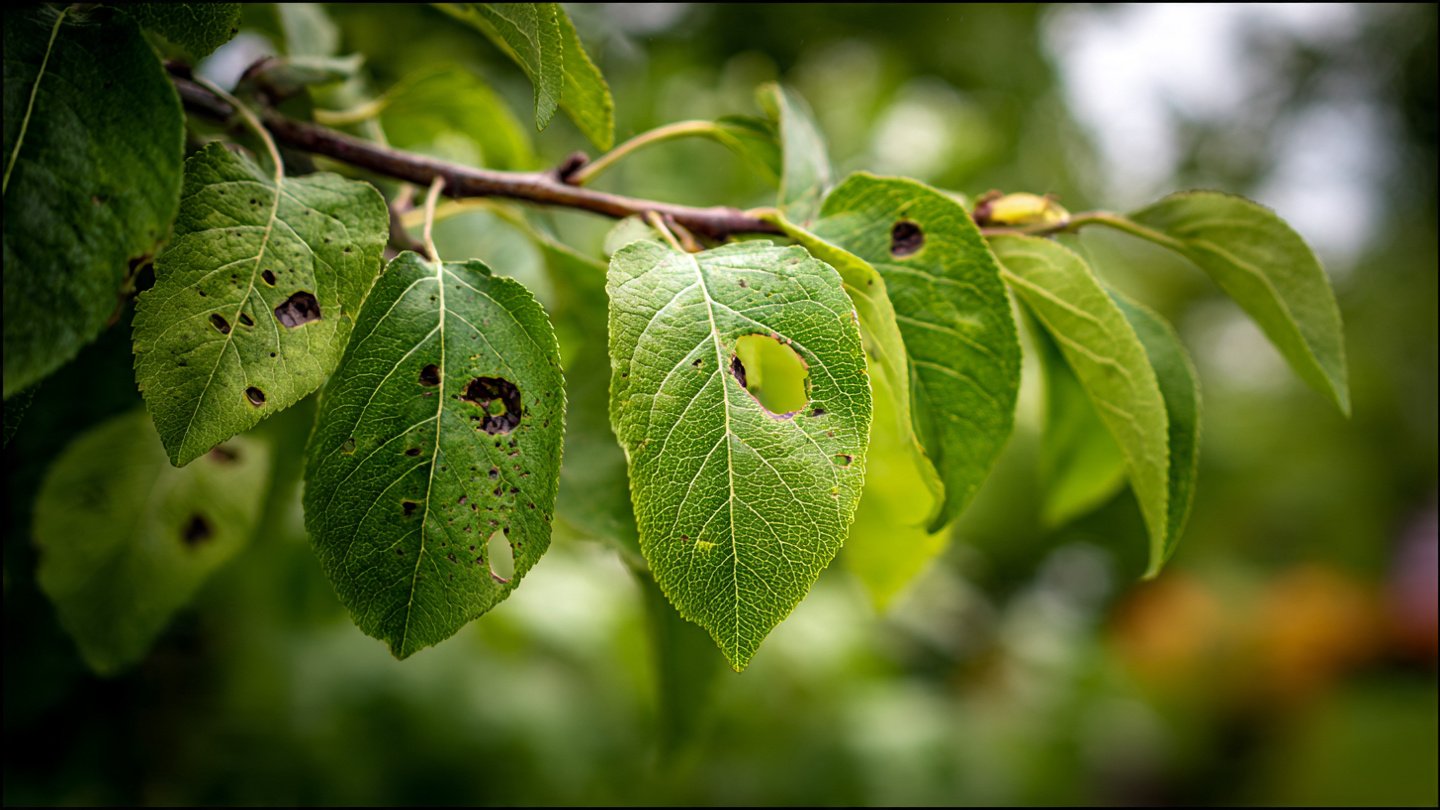
Why Do Your Apple Tree Leaves Develop Holes Every Spring?
Yezdi Roadster 2026 Launched: Smooth Engine, Muscular Cruiser Design, Advanced Features
EPFO Pension New Rules 2026: Salary Limit Changed, Pension Will Increase
2026 Rolls-Royce Motorhome Redefining Ultra-Luxury Road Travel With Timeless Elegance
Motorola New Smartphone With 420MP Camera, 7700mAh Battery at ₹9,900
Motorola Razr 50 Ultra New 5G Foldable Smartphone With Attractive Design, 165Hz Display
Nokia 2660 Flip 4G Beautiful Design Flip Keypad Phone With 12MP Camera at Just ₹2,500
Motorola Unveiled Stunning Design Smartphone With 250MP Camera, 16GB RAM and 95W Superfast Charging
Vivo V50 Lite 5G Smartphone Launched With 3 Days Battery Backup, 6.77-Inch AMOLED Display at ₹19,000
Honor X9c Smartphone With 144Hz Display, 70W Charging and Circle Design Camera
Oppo Premium 5G Smartphone With 250MP Camera and 7800mAh Battery
Infinix 5G Smartphone Launched With 12GB RAM, 200MP Camera and Flagship-Level Design
Tata Nano EV 2026: Affordable Electric Car With 300km Range Starting at ₹3.5 Lakh in India
Day Will Turn Slowly to Night During the Longest Total Solar Eclipse of the Century Across Several Regions
Maruti Suzuki Grand Vitara 2026 With 2.8L Petrol Engine Delivers 37kmpl Mileage and Luxury Features
Galaxy S23 Ultra 5G With 108MP AI Camera and Fabulous Design
Yamaha XSR 155 2026 Launched With Smooth Engine, Neo-Retro Design and Advanced Features
Day Will Slowly Turn to Night as the Longest Total Solar Eclipse of the Century Creates a Rare and Spectacular Event
Known as the Black Gold of Agriculture, Chernozem Soil Helped Turn Ukraine, Russia and Kazakhstan Into Global Breadbaskets
Light Will Disappear for Minutes: Experts Warn an Extraordinary Solar Eclipse Is Approaching
Vivo Y21d Budget-Friendly Smartphone With 6000mAh Battery Launched
Triumph Scrambler 400 X 2026 Launched With Rugged Design, Torque-Rich Engine and Modern Features
Oppo A6 Pro Smartphone With 50MP Dual Camera and 256GB Storage
Tecno Pova Slim 5G Smartphone With 6.78-Inch 3D Curved Display at ₹17,000
New Maruti Brezza 2026 Stylish Compact SUV With 35 km/l Mileage, Luxury Features and Smart Tech
Age Pension Update 2026: $1,179 Increase Announced – Who Qualifies
Realme Narzo 90 Smartphone With Sleek Design and 7000mAh Battery
Vivo New Phone With 300MP Camera and 7600mAh Battery at ₹9,600
Poco M7 Plus 5G With Snapdragon Processor and 144Hz Display at Just ₹10,000
OnePlus Nord CE 5 5G Smartphone With 80W SuperVOOC Charging and 256GB Storage at ₹20,000
Redmi New 5G Phone Launched in India With 108MP Camera and Curved AMOLED Screen