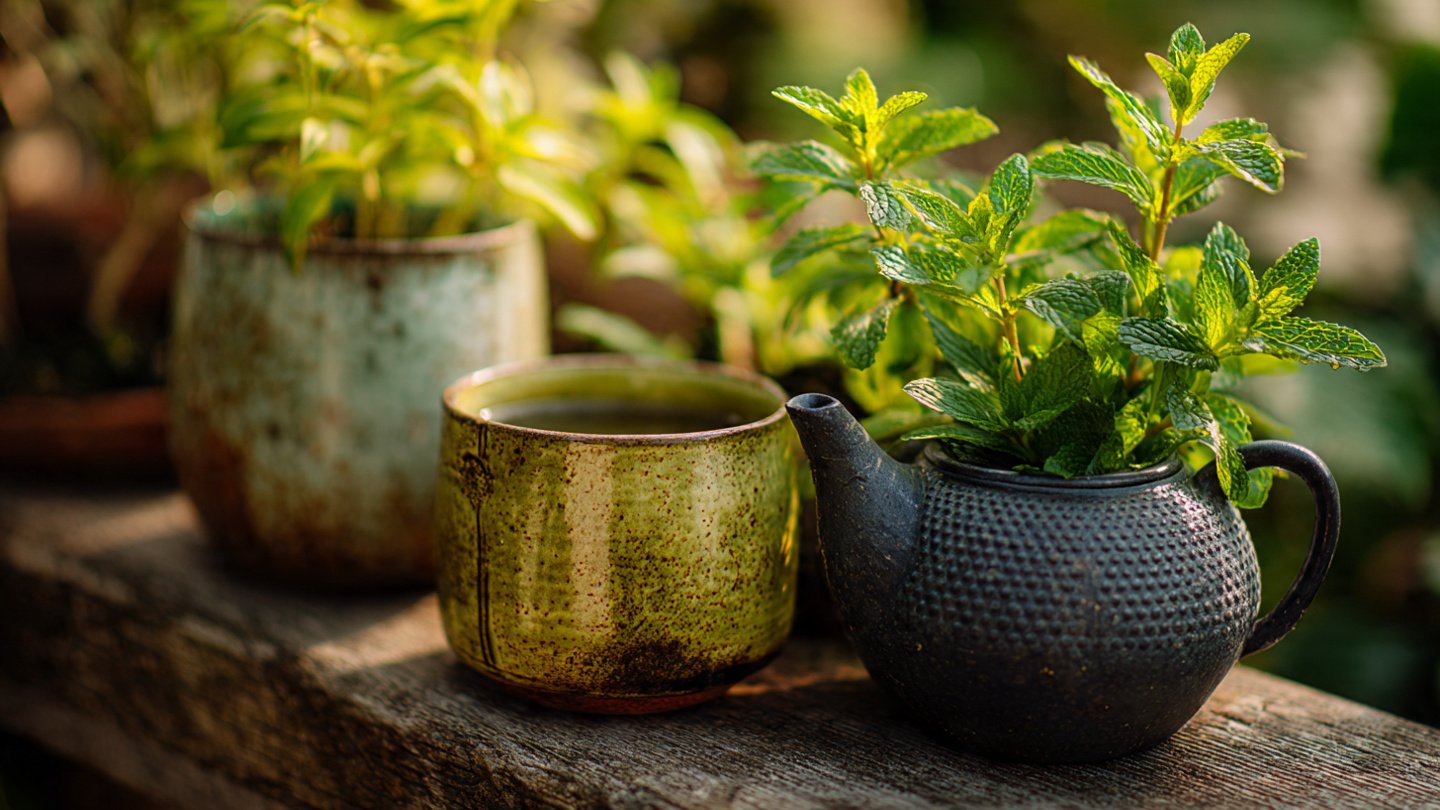
Creating a tea paradise in your garden can be both a rewarding and enjoyable experience. Not only do tea plants offer a delightful infusion for your daily rituals, but they also engage you with nature, enhance your garden’s aesthetics, and provide a sense of accomplishment. You don’t need vast space or specialized knowledge to start. Here are three simple plants that can transform your garden into a flourishing tea haven.
1. Chamomile (Matricaria chamomilla)
Simplistic yet elegant, chamomile is one of the most popular herbs for making tea. This delicate plant has a sweet, apple-like fragrance that can soothe the mind and body.
Cultivation
- Light: Chamomile prefers full sun, so choose a spot that receives at least six hours of sunlight daily.
- Soil: It thrives in well-draining soil enriched with organic matter. Aim for a pH of around 6.0 to 7.0.
- Water: Water regularly but avoid over-saturation; chamomile prefers slightly dry conditions.
- Spacing: Space the plants about 10-12 inches apart to allow for ample growth.
Harvesting and Usage
Harvest the flowers when they are fully open, preferably in the morning when they are at their most aromatic. You can dry them for later use or steep them fresh into hot water for a calming cup of tea.
2. Mint (Mentha spp.)
Mint is a versatile herb that adds a refreshing flavor to any tea infusion. This aromatic plant can easily breathe life into your garden and your tea experiences.
Cultivation
- Light: Mint can thrive in both full sun and partial shade; however, full sun helps enhance its flavor.
- Soil: A moist, fertile soil rich in organic matter works best for mint.
- Water: Keep the soil consistently moist but ensure it’s well-drained to prevent root rot.
- Spacing: Since mint spreads quickly, it’s best to plant it in containers or designate a specific area in the garden.
Harvesting and Usage
Snip off leaves as needed throughout the summer. Fresh mint leaves are excellent for brewing tea, and you can mix them with chamomile or green tea for a refreshing twist. They can also be used in culinary dishes, bringing in an aromatic punch.
3. Lemon Balm (Melissa officinalis)
Lemon balm is a member of the mint family and is famous for its uplifting lemon scent. This herb not only enhances the flavor of your tea but also offers numerous health benefits.
Cultivation
- Light: Lemon balm prefers full sun to partial shade, making it adaptable to various garden conditions.
- Soil: It thrives in loamy, well-drained soil, with a pH of about 6.0 to 7.0.
- Water: Water regularly, allowing the soil to dry out slightly between watering sessions.
- Spacing: Space the plants about 12-18 inches apart, as they may spread over time.
Harvesting and Usage
Harvest leaves when they are fresh and tender for optimal flavor. Lemon balm makes an aromatic, calming tea, particularly enjoyable on warm evenings. You can also blend it with mint or chamomile for a delightful herbal concoction.
Conclusion
Transforming your garden into a tea paradise is an achievable dream with just a few simple plants like chamomile, mint, and lemon balm. By cultivating these herbs, you can create a beautifully aromatic oasis that not only allows you to enjoy delicious, homemade teas but also serves as a sanctuary for relaxation and contemplation. Whether you’re sipping chamomile tea after a long day, enjoying mint-infused refreshment in the summer, or savoring the uplifting aroma of lemon balm, these plants will enhance your well-being and bring you closer to nature.
FAQs
1. Can I grow these plants indoors?
Yes! All three plants can thrive indoors if given enough light. Ensure they get at least 6-8 hours of sunlight, or consider using grow lights.
2. How do I ensure my tea plants are organic?
Use natural fertilizers and pesticides. Look for organic soil and seed options when planting your tea herbs.
3. How often can I harvest these plants?
You can harvest leaves regularly, but ensure you leave enough for the plant to continue growing. Avoid taking more than one-third of the plant at a time.
4. Can I blend these plants into one tea?
Absolutely! Blending chamomile, mint, and lemon balm can create a refreshing and fragrant tea. Experiment to find your perfect combination.
5. How can I store dried herbs?
Store dried herbs in an airtight container in a dark, cool place to maintain their flavor and potency. They can retain their quality for up to a year.