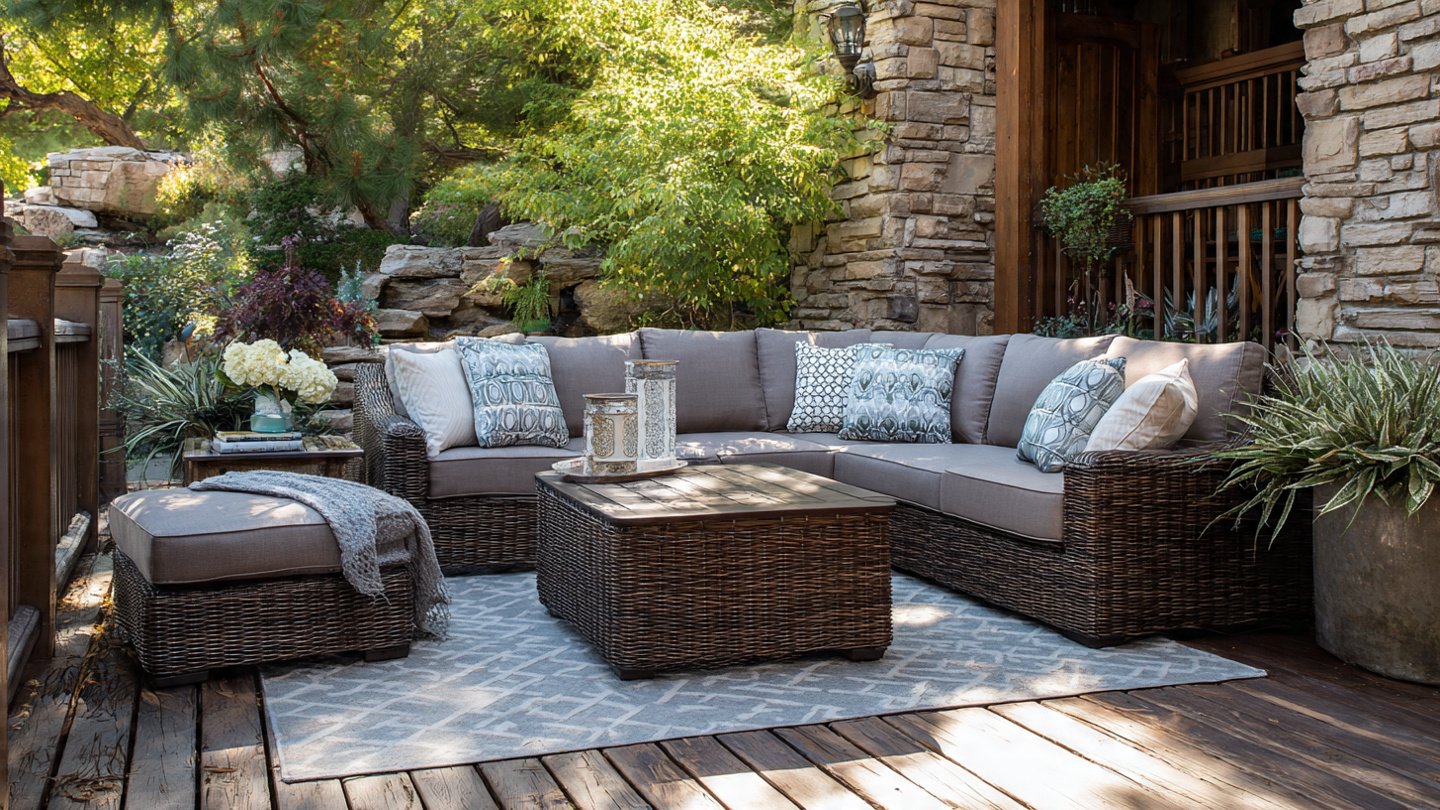
Transforming your outdoor space into a sophisticated oasis requires careful consideration of design and color. The right color palette can evoke feelings of tranquility, elegance, and luxury while enhancing the natural beauty of your surroundings. In this article, we will explore several color palettes that can elevate your outdoor environment, creating a stylish and inviting place to relax and entertain.
Understanding Color Psychology
Before diving into specific palettes, it’s essential to understand the psychology of color. Different colors can evoke various emotions and reactions:
- Blues are calming and serene, reminiscent of the sky and water.
- Greens signify growth and harmony, connecting us to nature.
- Yellows are cheerful and uplifting, evoking feelings of happiness.
- Grays offer a sophisticated and modern feel, providing a neutral backdrop.
- Reds bring warmth and energy, adding a pop of excitement.
By understanding how colors interact with our emotions, you can choose palettes that not only look good but also enhance the atmosphere of your outdoor space.
Color Palette Inspirations
1. Coastal Retreat
Colors: Soft Whites, Ocean Blues, Sandy Beiges
Imagine a serene coastal retreat inspired by the beach. This palette combines soft whites, ocean blues, and sandy beiges to create a tranquil atmosphere reminiscent of seaside escapes.
- Soft Whites: Use as the base for your furniture and structures. A white pergola or lounge chairs can reflect natural light and create an airy feel.
- Ocean Blues: Incorporate deep navy or soft aqua cushions, rugs, or decorative elements. These shades can mimic the water and invite relaxation.
- Sandy Beiges: Use for outdoor rugs, planters, or flagstone paths. This color ties the palette together, echoing the beach’s natural elements.
To enhance this palette, consider adding natural wood tones through decking or furniture, which will create warmth and prevent the space from feeling too sterile.
2. Earthy Haven
Colors: Olive Greens, Terracotta, Warm Brown Tones
For those looking to create a grounded and intimate outdoor space, an earthy palette can be incredibly effective.
- Olive Greens: Use as a primary color for plants and landscaping. Olive tones are soothing and blend beautifully with nature.
- Terracotta: Incorporate terracotta pots, tiles, or furniture accents. This warm color brings a rustic charm reminiscent of Mediterranean landscapes.
- Warm Brown Tones: Use for wooden structures like fences, pergolas, or decking. This adds depth and complements the terracotta beautifully.
This earthy palette provides a warm embrace and makes your outdoor space feel like a cozy sanctuary, inviting guests to linger and enjoy.
3. Modern Minimalism
Colors: Charcoal Grays, Crisp Whites, Metallic Accents
For a contemporary look, consider a modern minimalist palette that emphasizes clean lines and simplicity.
- Charcoal Grays: Use for large furniture pieces or outdoor walls. This sophisticated base color can anchor your space and give it a modern edge.
- Crisp Whites: Use as contrast for accessories or accents. White cushions or planters can brighten the array and prevent it from feeling too dark.
- Metallic Accents: Incorporate metallic elements like stainless steel or copper for lighting fixtures and outdoor kitchens. These reflective surfaces add a touch of luxury and can catch the eye.
This palette thrives on simplicity, allowing key design elements to shine. Select sleek outdoor furniture with geometric shapes to enhance the minimalist aesthetic.
4. Warm Sunset
Colors: Rich Oranges, Deep Reds, Soft Pinks
Sunset-inspired hues can warm up any outdoor area and promote a lively, vibrant environment.
- Rich Oranges: Use for pillows, throws, or decorative accessories. This color adds energy and warmth to your space.
- Deep Reds: Incorporate as accents in furniture or flowering plants. These colors can create focal points and radiate passion and enthusiasm.
- Soft Pinks: Use for softer elements like flowers, cushions, or artwork. This hue can soften the intensity of the oranges and reds, creating balance in your outdoor oasis.
This palette works well in spaces designed for entertaining, bringing life to evening gatherings and cozy fireside chats.
5. Elegant Monochrome
Colors: Various Shades of Gray and Black
A monochromatic palette can create an elegant and sophisticated vibe. Utilizing varying shades of gray and black allows for a chic, timeless look.
- Light Grays: Use for large furniture pieces or walls, offering a modern and soft touch.
- Charcoal and Dark Grays: Incorporate as accents for planters, outdoor kitchens, or dining tables. These deeper tones can add contrast and depth.
- Black Components: Use for wrought iron railings, lighting fixtures, or furniture legs. This color can be striking and provide a sense of drama.
To prevent the space from feeling too stark, add pops of greenery through plants or vivid flowers, creating visual interest without disrupting the elegant theme.
6. Floral Fiesta
Colors: Vivid Pink, Bright Yellow, Sky Blue
For those who love a vibrant and lively atmosphere, a floral-inspired palette can bring joy and energy to your outdoor space.
- Vivid Pink: Use for outdoor cushions, umbrellas, or pots. This cheerful shade can instantly brighten the mood.
- Bright Yellow: Incorporate into décor elements like rugs, flowers, or accent chairs. Yellow can evoke feelings of happiness and warmth.
- Sky Blue: Use for outdoor furniture or accessories, creating a refreshing contrast that echoes the clear sky.
When selecting this palette, consider how flowers bloom in different seasons, ensuring your space remains vibrant year-round.
7. Luxe Jewel Tones
Colors: Emerald Green, Sapphire Blue, Amethyst Purple
If you aim for a luxurious outdoor space, jewel tones can create an opulent and inviting atmosphere.
- Emerald Green: Use for planters, pillows, or even furniture upholstery. This rich shade represents growth and embodies luxury.
- Sapphire Blue: Incorporate through outdoor rugs, table settings, or decorative elements. This deep color recalls tranquil waters and the sky at night.
- Amethyst Purple: Add as an accent color in flowers, cushions, or lighting. This hue brings an element of richness and sophistication.
Combining these colors can create an enchanting and lavish space ideal for evening gatherings or quiet moments of reflection.
Creating the Right Balance
While selecting a color palette is vital, balancing these colors is equally important to achieve a sophisticated look. Here are some tips for achieving balance:
-
Choose a Dominant Color: Select one color to dominate your space, creating a foundation for the rest of the palette. For example, if you choose a coastal palette, let the soft whites take the lead.
-
Accent with Contrast: Use contrasting colors sparingly to draw attention to key areas or features. For instance, if green dominates, consider adding terracotta pots or reddish flowers for pops of contrast.
-
Harmonious Textures: Balance colors with various textures. Combining smooth, glossy surfaces with rough, natural elements can create a dynamic interplay, enhancing the elegance of your outdoor space.
-
Layering: Layer different shades of the same color to create depth. For instance, if you opt for grays, mix light, medium, and dark shades for a sophisticated look.
-
Lighting Effects: Consider how different colors will look at various times of the day. Natural light changes the appearance of colors, so always test your palette in situ.
Final Thoughts
Creating a sophisticated oasis in your outdoor space goes beyond mere color choices; it encompasses a harmonious blend of design, texture, and atmosphere. By carefully selecting a color palette that resonates with you and your lifestyle, you can cultivate a sanctuary that invites relaxation, joy, and connection with nature.
Whether you opt for a coastal retreat, earthy haven, modern minimalism, or any of the other suggested palettes, ensuring balance and depth will elevate the overall aesthetic. Remember to engage all your senses, and soon, your outdoor space will transform into an elegant oasis that feels both stylish and deeply personal.