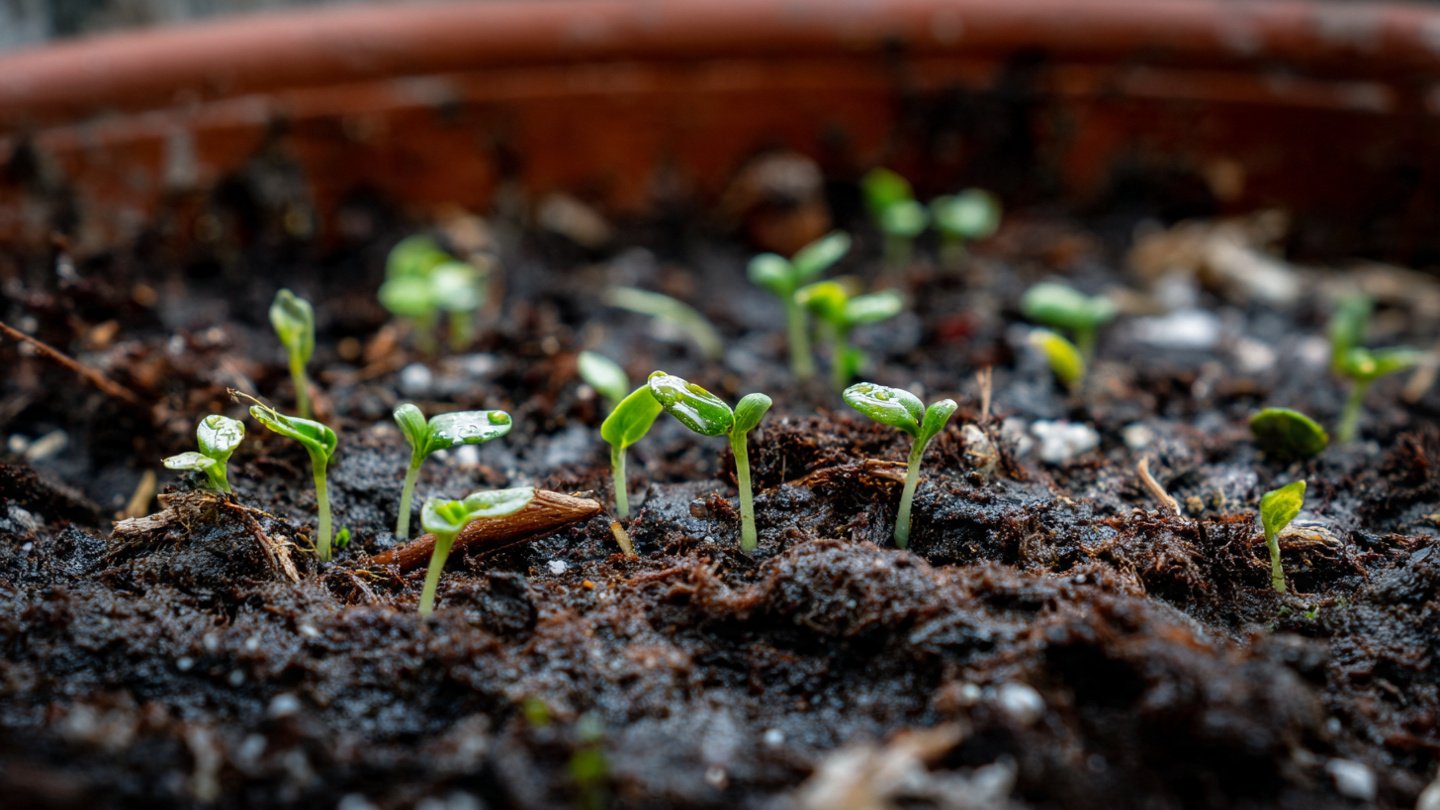
As spring approaches, many gardeners eagerly anticipate the sight of tiny green shoots pushing through the soil. However, not all seeds germinate as anticipated. If you find your seeds are not sprouting, several factors could be at play. Understanding these secrets can help you nurture your garden effectively and achieve the vibrant blooms or bountiful harvests that you envision.
1. Seed Viability
One of the first things to consider is the viability of your seeds. Seeds can lose their germination potential over time, depending on storage conditions and seed age. Factors that impact seed viability include:
- Storage Conditions: Seeds should be kept in a cool, dry place. Excess moisture or heat can cause seeds to degrade prematurely.
- Expiration Date: Many seeds have a shelf life. Check for any expiration dates or guidelines on the seed packaging.
2. Temperature
Temperature plays a crucial role in the germination process. Each seed has a specific temperature range within which it prefers to germinate. Generally, cooler temperatures can delay engagement, while overly hot conditions can damage seeds. Key points to consider include:
- Soil Temperature: Use a soil thermometer to ensure the soil temperature matches your seed’s requirements
- Microclimates: Be mindful that shaded areas or warmer spots in your garden can impact soil temperature.
3. Moisture Levels
Water is essential for germination as it activates enzymes that promote growth. However, the amount of moisture also needs to be balanced. Consider the following:
- Overwatering: Too much water can drown seeds and cause them to rot.
- Underwatering: Conversely, insufficient moisture can lead to desiccation and stunted growth.
4. Soil Quality
The quality of your soil greatly influences germination success. Factors to assess include:
- Nutrient Diversity: Seeds need nutrients to sprout and grow. Make sure your soil has a good mix of organic matter, minerals, and pH level suitable for your plants.
- Soil Drainage: Ensure your soil is well-drained but retains enough moisture.
5. Planting Depth
Different seeds require different planting depths to germinate effectively. If you bury your seeds too deep or too shallow, it can hinder their growth. Here’s what to keep in mind:
- Check Planting Instructions: Always follow the guidelines provided on seed packets regarding planting depth.
- Consider Seed Size: Larger seeds generally need to be planted deeper compared to smaller ones.
6. Light Conditions
Light is a critical component for seed germination and subsequent growth. Check the following variables:
- Sunlight Exposure: Some seeds require light to germinate, while others thrive in darkness. Research your specific seeds’ light needs.
- Artificial Light Options: If planting indoors, consider using grow lights to provide adequate illumination.
7. Pest and Disease Pressure
Insects and diseases can also affect seed germination negatively. Be vigilant about the following:
- Pest Inspection: Regularly check for signs of pests that may damage seeds or seedlings.
- Disease Management: Implement measures to manage soil-borne diseases that can compromise seed health.
8. Seed Treatment and Preparation
Preparing your seeds before planting can enhance germination rates. Techniques you might consider include:
- Scarification: Some seeds have hard outer coats that benefit from scarification (scratching or nicking the seed).
- Stratification: Mimic winter conditions to prepare seeds that require a cold period before germination.
9. Compatible Companions
Finally, consider the relationships between different plants. Some plants can promote or inhibit the growth of their neighbors:
- Companion Planting: Research companion planting techniques to ensure your layout encourages healthy growth.
- Allelopathic Plants: Avoid planting seeds next to allelopathic plants that release chemicals to inhibit germination.
Conclusion
Germination is a complex process influenced by multiple factors including seed viability, temperature, moisture, soil quality, planting depth, light conditions, pest and disease pressure, and even the interactions between plants. By understanding and addressing these secrets, you can increase your chances of seeing a flourishing garden this spring. Remember, gardening is a journey, and every setback can be a learning opportunity. Take the time to assess what might be limiting your seeds, and adjust your practices accordingly. Happy gardening!
FAQs
1. Why won’t my seeds germinate?
Your seeds may not be germinating due to factors like poor seed viability, incorrect temperature, inadequate moisture, or planting too deep or shallow.
2. What is the ideal temperature for seed germination?
Most seeds germinate best at temperatures between 65°F and 75°F (18°C to 24°C), but specific seeds may have different requirements.
3. How can I improve soil quality for better seed germination?
Enhancing soil quality can be achieved by adding organic matter, ensuring good drainage, and testing soil pH and nutrient levels.
4. Should I start seeds indoors or outdoors?
This depends on the type of seeds. Some may thrive when started indoors for an early start, while others can be planted directly outdoors after the last frost.
5. What should I do if my seeds start to sprout but then stop?
They might be facing issues such as inadequate light, nutrient deficiency, or pest infestation. Assess their environment and make adjustments as necessary.