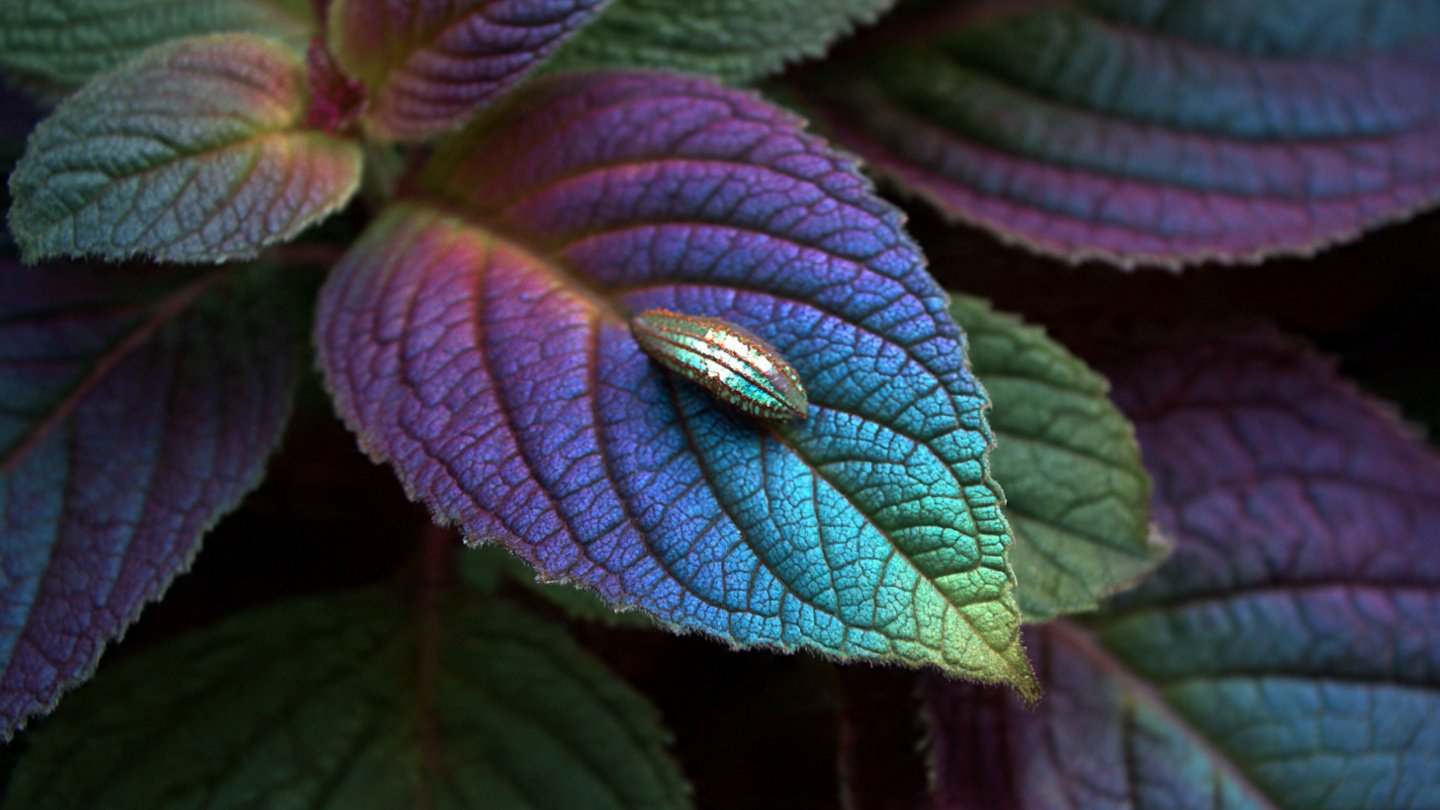
Plants have long captivated our imagination, exhibiting an array of colors that can change, seemingly at will. Among these stunning displays, flower leaves can transition in color similar to a mood ring, invoking wonder and curiosity. But what causes this mesmerizing phenomenon? This article will unravel the reasons behind the changing colors of flower leaves, exploring environmental factors, genetic influences, and the underlying phytochemistry.
The Science of Color Change
Color in plants is primarily determined by pigments, which absorb and reflect different wavelengths of light. The main types of pigments include chlorophyll (green), carotenoids (yellow and orange), and anthocyanins (red, blue, and purple). Each pigment plays a distinctive role in the photosynthesis process and overall plant health.
When the environment changes—due to stress, temperature fluctuations, or developmental stages—plants can adjust their pigment production, resulting in visible color changes in leaves and flowers. This adaptive mechanism not only enhances the plant’s ability to cope with environmental challenges but also plays an essential role in attracting pollinators and dispersing seeds.
Environmental Influences on Color Change
The color of flower leaves can be significantly influenced by a variety of environmental factors:
1. Temperature
Temperature variation is a primary environmental factor causing color changes in flower leaves. Some plants may exhibit vibrant colors when temperatures drop, particularly during the fall season. This change can be attributed to the breakdown of chlorophyll, which exposes the underlying carotenoids and anthocyanins.
2. Light Exposure
Light is essential for photosynthesis, but its intensity and quality can also affect pigment production. High levels of UV light can stimulate the synthesis of anthocyanins, leading to a change in leaf color. Conversely, lower light levels may decrease chlorophyll production, unveiling brighter colors.
3. Water Availability
Water stress has a direct impact on color change in flower leaves. Under drought conditions, plants often stop producing chlorophyll to conserve energy, causing leaves to turn red or yellow. This phenomenon can serve as a warning sign to potential pollinators about the plant’s state.
4. Soil Chemistry
The composition of the soil influences nutrient availability, which in turn affects plant health and pigmentation. For instance, higher levels of certain minerals like phosphorus and potassium may promote vibrant coloration in some flowering plants.
Genetic Factors
Every plant species has a unique genetic makeup that dictates how it responds to environmental changes. The genetic programming determines the type and amount of pigments produced, making some plants more responsive to color changes than others.
Certain hybrid varieties have been bred specifically for vivid coloration. Genetic modifications may enhance the synthesis of specific pigments, resulting in strikingly colorful foliage that can change throughout the season.
Phytochemistry and Color Change
Phytochemistry plays a crucial role in understanding why flower leaves change colors. These biochemical processes involve the synthesis and regulation of pigments, which vary between plant species. The specific way a plant manages its pigments can be influenced by:
1. Stress Responses
In response to stressors like pests, diseases, or environmental changes, some plants may increase the production of anthocyanins as a defense mechanism. This not only serves to camouflage, but also enhances antioxidant properties, benefiting the plant’s health.
2. Seasonal Adaptations
Many species exhibit pronounced leaf color changes as seasons shift. For instance, deciduous trees often transition from green to brilliant shades of red, yellow, or orange in autumn. This seasonal pigment change is a natural adaptation to conserve energy and prepare for winter.
Foraging for Pollinators
The changing colors of flower leaves can also play a significant role in attracting pollinators. Brightly colored flowers are generally more appealing to bees, butterflies, and other creatures. As foliage changes color, it draws attention to the blossoms, increasing the likelihood of pollination and reproduction.
Conclusion
The phenomenon of flower leaves changing color is a multifaceted process driven by environmental influences, genetic factors, and phytochemistry. Understanding these forces can deepen our appreciation for the complexity of plant life and its adaptations. From temperature changes to seasonal shifts, the vibrant dance of colors in flower leaves is a testament to nature’s resilience and beauty. This dynamic interplay between plants and their surroundings not only enriches our landscapes but also highlights the importance of maintaining healthy ecosystems.
FAQs
1. What pigments are responsible for color changes in flower leaves?
The primary pigments involved are chlorophyll (green), carotenoids (yellow, orange), and anthocyanins (red, blue, purple).
2. Can all flowers change color?
Not all flower species change color, but many do, particularly as a response to environmental factors or seasonal changes.
3. Do color changes indicate plant health?
Yes, color changes can indicate stress or adaptive responses. A vibrant color can signify a healthy plant, while dull or brown leaves may indicate distress.
4. How do gardeners use color changes to their advantage?
Gardeners often select plants that exhibit vibrant color changes to create dynamic landscapes, attracting pollinators and enhancing aesthetic appeal.
5. Can the color change of a flower leaf be reversed?
In some cases, addressing environmental stressors (like providing adequate water and nutrients) can help return a plant to its original color. However, permanent color changes due to genetics or seasonal adaptations may not revert.