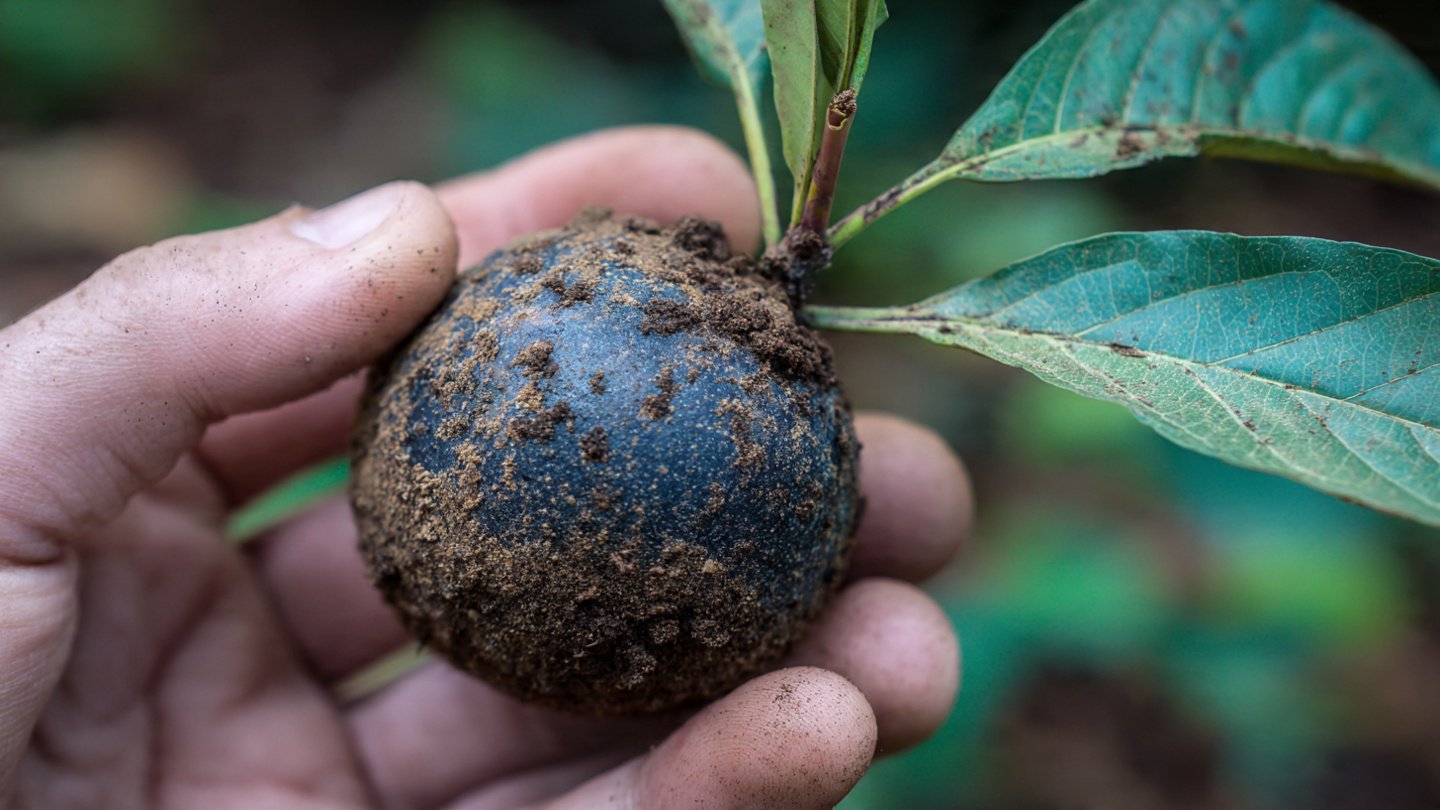
Propagating fruit trees has been a fundamental practice for generations, allowing farmers and horticulturists to create bountiful orchards efficiently. Among various propagation methods, one innovative and exciting technique stands out: the Mud Ball Method. This unique approach not only aids in the cultivation of trees but also aligns with nature in multiple ways. This article delves into the Mud Ball Technique, the science behind it, and the practical steps to adopt this method for your garden.
Understanding Fruit Tree Propagation
Fruit tree propagation is the process of creating new trees from existing ones. This can be done through various methods, and the choice often depends on the type of fruit tree, local climate, and desired outcomes. The primary methods include:
- Seed Propagation: Growing trees from seeds. This method may take longer but can produce diverse results.
- Cuttings: Using segments of a parent plant to root and grow new trees.
- Grafting: Joining parts of two plants to grow as one, ensuring the qualities of the desired fruits.
- Mud Ball Technique: A sustainable approach that utilizes natural materials to propagate trees efficiently.
The Mud Ball Technique: An Overview
The Mud Ball Technique resonates well with those who value ecological balance and sustainability. This method involves creating compact balls of soil mixed with organic nutrients and seeds, resembling small mudballs. These balls can then be placed in the ground, allowing the seeds within to germinate over time, thus promoting roots and growth whilst naturally enriching the soil.
The Science Behind Mud Balls
At first glance, the concept of a mud ball may seem unconventional. However, the scientific principles supporting this technique are robust. Here’s how it works:
- Microbial Activity: The mud ball creates a conducive environment for beneficial microorganisms. These microbes assist in breaking down organic matter, releasing nutrients that aid seed germination.
- Moisture Retention: The compact structure of the mud ball helps retain moisture, providing seeds with the water necessary for germination.
- Protection: The mud ball protects seeds from extreme weather conditions as well as from pests and birds that might otherwise eat the seeds.
- Nutrients: By incorporating compost or other organic materials in the mud balls, you create a nutrient-rich base for the young plants.
How to Create and Use Mud Balls
Creating mud balls requires simple materials that are commonly found in gardens and farms. Here’s a step-by-step guide to getting started:
Materials Needed
- Clay soil or garden soil
- Compost or organic fertilizer
- Seeds of your chosen fruit trees
- Water
Steps to Make Mud Balls
- Mixing Components: In a container, combine equal parts of clay soil and compost. Aim for a consistency that is moist but not overly wet.
- Add Seeds: Incorporate a handful of fruit tree seeds into your soil mixture. Ensure that you are using seeds suitable for your climate and soil type.
- Forming Balls: Take small amounts of the mixture and roll them into balls, roughly the size of a golf ball.
- Drying: Place the mud balls in a shaded area for a few days until they dry and harden.
- Planting: Once dried, these mud balls can be planted directly in the ground or in pots at a depth of about 3 inches.
Optimal Conditions for Planting Mud Balls
While mud balls are versatile and can be planted in various conditions, there are some optimal factors to consider:
- Soil Type: Well-draining soils are ideal. Avoid waterlogged areas where roots may rot.
- Climate: Different fruit trees thrive in various temperatures; ensure you choose seeds appropriate for the local climate.
- Watering: Initial watering is essential to kick-start germination. After planting, the mud ball should maintain moisture for the seeds to sprout.
Benefits of Using the Mud Ball Technique
The Mud Ball Technique comes with an array of benefits, making it an attractive option for many gardeners and farmers. Here are some of the advantages:
- Simple and Cost-Effective: It requires minimal investment and is easy to execute.
- Eco-Friendly: The method aligns with sustainable agricultural practices by utilizing organic materials.
- High Germination Rates: The enclosed environment of the mud ball fosters a better success rate for seed germination.
- Soil Enrichment: The techniques utilize organic compost that enriches the soil, benefiting future crops.
Conclusion
The Mud Ball Technique is a remarkable advancement in the age-old practice of fruit tree propagation. This ecological method not only supports sustainable gardening practices but also allows for high germination rates and healthy plant growth. With minimal resources, anyone can partake in this innovative approach, fostering a greater connection with nature and an appreciation for sustainable practices. Whether you are a seasoned gardener or a beginner, consider trying out this technique to enhance your gardening experience and contribute positively to the environment.
FAQs
Q1: Can I use any type of fruit tree seeds with the Mud Ball Technique?
A1: While many tree seeds can work with this method, it’s crucial to choose seeds that are suited to your local climate and soil type for successful germination.
Q2: How long does it take for seeds in mud balls to germinate?
A2: Germination times can vary based on the type of seed and environmental conditions, but it generally takes a few weeks to a couple of months.
Q3: Can I store mud balls for later use?
A3: Yes, dried mud balls can be stored in a cool, dry place until you are ready to plant them.
Q4: What are some fruits that grow well from this method?
A4: Many fruit trees, including citrus, apple, and pear, can be successfully propagated using the Mud Ball Technique.
Q5: Do I need to water the mud balls after planting?
A5: Yes, it’s essential to water the mud balls initially after planting and ensure they stay moist until the seeds germinate.