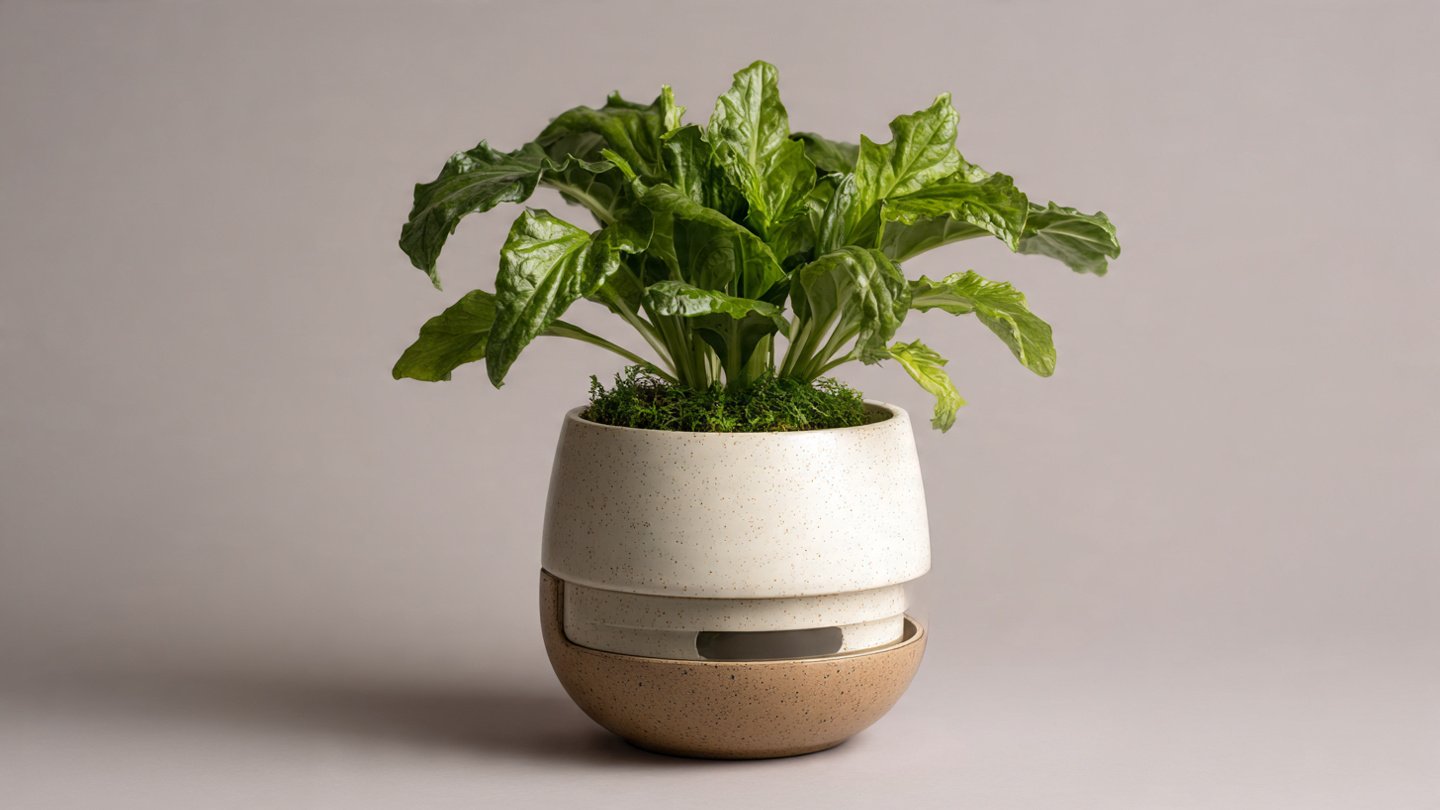
Self-watering pots have gained popularity among gardeners and plant enthusiasts alike, promising a solution to the age-old question: “Are my plants getting enough water?” They are designed to supply water to plants over time, reducing the need for frequent watering and decreasing the chances of both overwatering and underwatering. However, as with any gardening tool, the question remains: Are self-watering pots really the best choice for your plants? In this article, we will explore the pros and cons of self-watering pots to help you make an informed decision.
Understanding Self-Watering Pots
Before delving into whether self-watering pots are suitable for your plants, it’s essential to understand what they are and how they function. A self-watering pot typically consists of a large water reservoir at the bottom, separated by a barrier from the soil and plant roots. A wicking system or capillary action draws water from the reservoir up into the soil, allowing plants to absorb moisture at their own pace. This setup aims to create a steady supply of water, mimicking the conditions found in natural environments.
The Benefits of Self-Watering Pots
1. Reduces the Risk of Overwatering
One of the most significant advantages of self-watering pots is their ability to reduce the risk of overwatering. Plants often suffer from root rot when they sit in waterlogged soil, which can occur with traditional pots that rely on you to manually gauge when to water. With self-watering pots, the water level in the reservoir remains consistent, allowing plants to take up the necessary moisture without the risk of drowning their roots.
2. Consistent Moisture Level
Plants thrive in environments with stable moisture levels, and self-watering pots can help maintain that consistency. This is especially beneficial for plants that prefer evenly moist soil but may struggle with the fluctuations typical of traditional watering methods. By ensuring that moisture levels remain steady, self-watering pots can promote healthier, more vigorous plant growth.
3. Reduced Maintenance
For busy individuals or those who travel frequently, self-watering pots can be a game-changer. These pots allow for less frequent watering, which means less time spent on plant care. This reduced maintenance is ideal for those who want to keep their plants alive without dedicating a lot of time to their care.
4. Ideal for Specific Plant Types
Some plant species, particularly tropical plants, thrive in consistently moist conditions. Self-watering pots create an environment where these plants can flourish without the risk of drying out or being overwatered. If you have specific plants known to prefer a certain moisture level, a self-watering pot may be the ideal choice.
The Disadvantages of Self-Watering Pots
1. Potential for Underwatering
While self-watering pots are designed to regulate moisture levels, users must be aware of the potential for underwatering. If the water reservoir is not filled regularly, plants may not receive enough water, leading to stress and growth problems. It’s essential to monitor the water level, especially during hot weather or if the plant is particularly thirsty.
2. Root Adaptation Challenges
Plants have evolved to adapt their roots to various soil conditions. By placing a plant in a self-watering pot, you may inadvertently hinder this natural adaptation process. Roots may not spread out as efficiently, leading to potential issues with the plant’s root system. Some experts recommend gradually transitioning plants to self-watering pots to allow them to adapt to the new watering method.
3. Higher Initial Investment
Self-watering pots often come with a higher price tag compared to traditional containers. While they can save time and effort in the long run, the upfront cost can deter some gardeners. It’s essential to weigh the benefits against the investment, especially if you are just starting your gardening journey.
4. Algae Growth and Maintenance Issues
The stagnant water in self-watering pots can create an environment conducive to algae growth. Algae can compete with your plants for nutrients and even inhibit their growth. Regular maintenance, such as cleaning the reservoir, is necessary to prevent these issues and ensure your plants thrive.
Best Practices for Using Self-Watering Pots
1. Choose the Right Plants
While many plants can thrive in self-watering pots, it’s crucial to select species that will benefit from this watering method. Tropical plants, ferns, and some herbs typically respond well. Avoid using self-watering pots for succulents or cacti, as these plants prefer drier conditions.
2. Monitor Water Levels Regularly
Even though self-watering pots are designed to reduce maintenance, it’s still important to check the water levels regularly. Make it a habit to ensure the reservoir is filled, especially during hot weather or when the plants are actively growing.
3. Use Quality Potting Mix
The potting mix used can significantly affect how well your self-watering pot performs. A well-draining potting mix with good aeration will aid the capillary system and keep roots healthy. It’s advisable to avoid heavy soils that could impede drainage and aeration.
Conclusion
Self-watering pots offer several benefits, including reduced risk of overwatering, consistent moisture levels, and lower maintenance for busy gardeners. However, they also come with potential downsides, such as the risk of underwatering and initial costs. Ultimately, whether a self-watering pot is the right choice for your plants depends on the specific species you are growing and your gardening style. By considering both the pros and cons, as well as implementing best practices, you can create a thriving environment for your plants.
FAQs
1. Can I use self-watering pots for all types of plants?
No, while many plants can thrive in self-watering pots, it’s best suited for those that prefer consistently moist soil. Avoid using them for succulents or cacti, which thrive in drier conditions.
2. How often should I refill the water reservoir?
It depends on the type of plants and climate conditions. Generally, check the reservoir at least once a week, and refill it as needed, especially during hot months when plants may consume more water.
3. Do self-watering pots prevent root rot?
Self-watering pots reduce the risk of root rot by maintaining a consistent moisture level and preventing waterlogging. However, regular monitoring is essential to ensure plants are not underwatered.
4. How do I clean a self-watering pot?
To clean a self-watering pot, drain the reservoir and remove any remaining soil or debris. Wash it with a mild soap solution to prevent algae growth, then rinse thoroughly before refilling it with soil.
5. Are self-watering pots worth the investment?
For busy gardeners or those growing moisture-loving plants, self-watering pots can save time and effort. However, consider your budget and gardening style before making an investment.