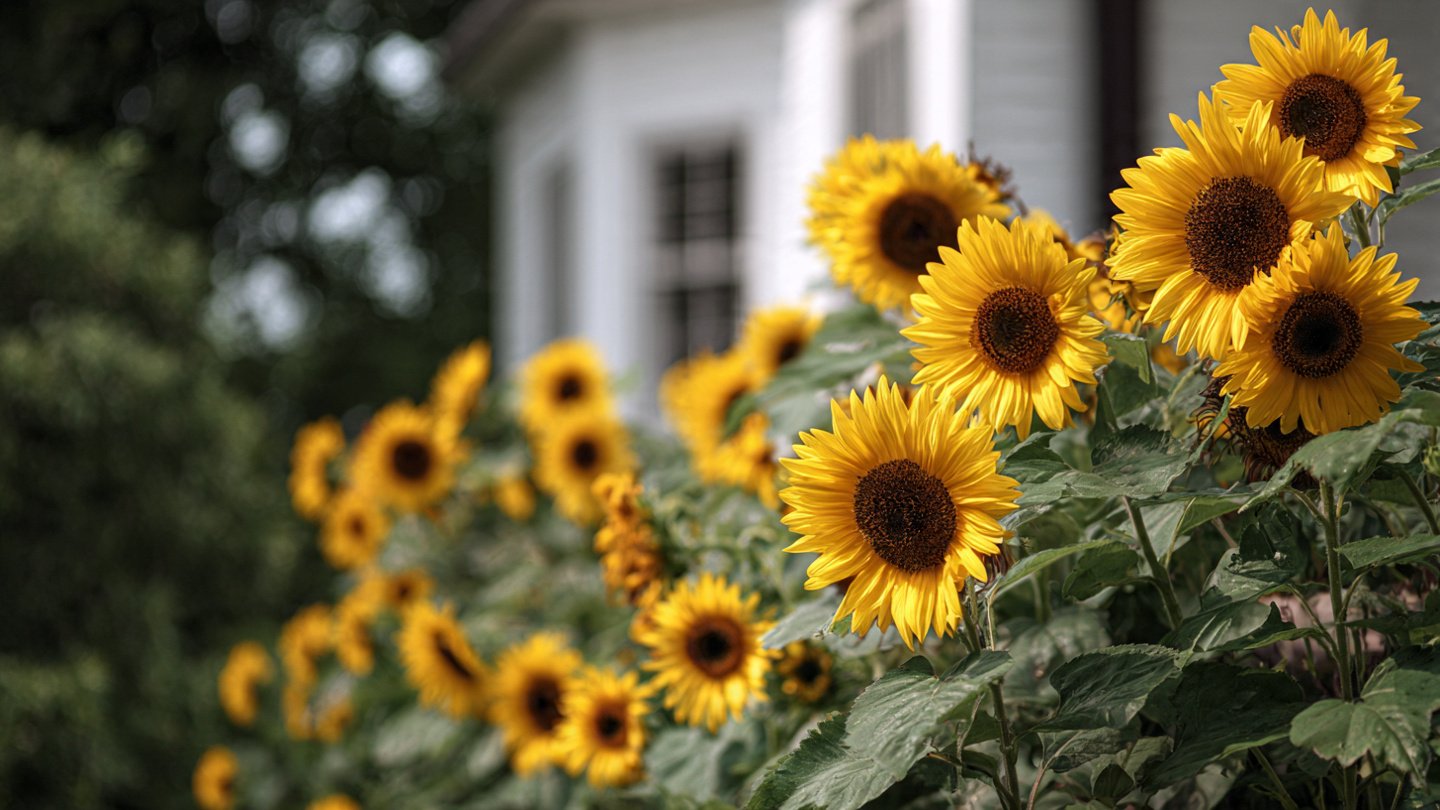
Sunflowers (Helianthus annuus) are not only beautiful but also incredibly beneficial plants. When planted at the edge of your property, they can transform your outdoor space, providing a multitude of aesthetic, environmental, and practical benefits. Whether you are looking to beautify your landscape, attract wildlife, or create a buffer zone for privacy, sunflowers are an excellent choice.
Aesthetic Appeal
Sunflowers are renowned for their bright yellow blooms, which can create a stunning visual effect in any garden. By lining the edges of your property with sunflowers, you can:
- Add Color: The vibrant yellow sunflowers provide a striking contrast against green grass or shrubbery.
- Enhance Curb Appeal: A well-designed garden can increase the attractiveness of your home and even its market value.
- Create a Natural Focal Point: Sunflowers can serve as a natural focal point, drawing the eye and bringing harmony to your landscape.
Environmental Benefits
Planting sunflowers can significantly benefit the environment in various ways:
- Pollinator Support: Sunflowers are highly attractive to bees, butterflies, and other pollinators, supporting local ecosystems.
- Soil Health: Sunflowers can improve soil quality by absorbing nutrients and preventing erosion.
- Natural Pest Control: By attracting beneficial insects, sunflowers can help manage pest populations.
Creating a Wildlife Habitat
Sunflowers can help create a welcoming habitat for wildlife:
- Food Source: The seeds produced by sunflowers attract numerous birds and small mammals, providing them with a food source during the colder months.
- Cover and Shelter: The tall stalks of sunflowers can provide shelter and nesting spots for various small animals.
- Encouraging Biodiversity: By diverse planting, you can attract a variety of wildlife, contributing to a more balanced ecosystem.
Privacy and Windbreak
Sunflowers can serve as a natural barrier for your property:
- Visual Barrier: Tall sunflowers can provide some privacy from neighbors or passersby, creating a more intimate outdoor space.
- Windbreak: A row of sunflowers can act as a windbreak, reducing wind speed in your garden and protecting more delicate plants.
Easy to Grow
For those looking to enhance their property without requiring extensive gardening skills, sunflowers are relatively easy to grow:
- Low Maintenance: Sunflowers require minimal care once established, making them suitable for novice gardeners.
- Adaptable: They thrive in a variety of soil conditions and can tolerate drought once established.
- Fast Growth: Sunflowers germinate quickly and can reach heights of up to 10 feet in just a few months, providing speedy results.
Practical Uses
Beyond their beauty, sunflowers offer a variety of practical uses:
- Edible Seeds: Sunflower seeds are not only delicious but also packed with nutrients, making them a great snack.
- Oil Production: Sunflower oil is a popular cooking oil, known for its light flavor and high smoke point.
- Cultural Significance: In many cultures, sunflowers symbolize warmth and positivity, making them a meaningful addition to any garden.
Conclusion
Planting sunflowers at the edge of your property is a simple yet effective way to transform your outdoor space. They provide a myriad of benefits, from aesthetic appeal and environmental contributions to practical uses. Whether you are enhancing your garden for personal enjoyment or increasing your property value, sunflowers are a worthy investment. Their cheerful blooms can uplift your spirits and positively impact your surroundings, making your garden a vibrant and lively place.
Frequently Asked Questions (FAQs)
1. When is the best time to plant sunflowers?
The ideal time to plant sunflowers is after the last frost when soil temperatures reach about 70°F (21°C). This typically falls from late spring to early summer, depending on your location.
2. How much sunlight do sunflowers need?
Sunflowers thrive in full sun, so it’s best to plant them in areas that receive at least 6-8 hours of direct sunlight daily.
3. Do sunflowers attract pests?
While sunflowers can attract some insects, they also draw beneficial insects that help control pest populations. If pests do appear, they can often be managed organically.
4. How do I care for sunflowers?
Sunflowers are low maintenance. Water them regularly, especially during dry spells, and consider staking tall varieties to prevent them from toppling over. Fertilization is generally not needed if planted in nutrient-rich soil.
5. Can I save sunflower seeds for next year?
Yes! You can save sunflower seeds by allowing some flowers to fully mature and dry out on the stalk. Once dried, you can harvest the seeds and store them in a cool, dry place for planting the following year.