Growing a pineapple from the crown of a store-bought fruit is an engaging and rewarding endeavor that requires minimal investment and a bit of patience. This process not only provides a splendid gardening experience but also enables you to enjoy your very own home-grown pineapple. The journey from fruit crown to ripe pineapple involves understanding the plant’s growth requirements, proper preparation, and ongoing care.
To start this adventure, first gather your materials. You’ll need a fresh pineapple, preferably one that is organic. It’s essential to choose a ripe fruit with a healthy and vibrant crown, as this increases the chances of successful growth. Ensure the leaves at the top are green and free from any signs of decay or pests.
The initial step in the propagation process is preparing the pineapple crown. Begin by slicing off the top of the pineapple, including about an inch of the fruit below the crown. Make a clean cut to avoid damaging the crown itself, and you will ensure that the plant can absorb nutrients effectively. After cutting the crown, remove any excess fruit flesh and leaves that might have been bruised or damaged. This helps in reducing the risk of rot when planted.
Once you have prepared the crown, it’s time to let it dry. Place the crown in a warm, dry area for three to five days. This drying period is crucial as it allows the cut surface to callous over, which provides a protective barrier against rot. You can, if desired, use a paper towel under the crown to absorb any moisture that might still be present. Keeping it in a dry, open space will facilitate the callousing process.
Next, you’ll need to root the pineapple crown. You can do this either in water or directly in soil. If you choose to root it in water, take a glass or jar, fill it with water, and place the crown in such a way that only the base is submerged while the leaves stay above the waterline. Change the water every few days to prevent algae growth and keep the environment clean. This method can take anywhere from two to four weeks to see roots develop.
Alternatively, if rooting directly in soil seems more appealing, fill a small pot with a well-draining potting mix. Make a small hole in the center of the soil with your finger, and place the crown in the hole, ensuring that it is still upright. Firm the soil around it lightly to secure it. Water the soil thoroughly but allow it to drain well. The soil should remain moderately moist but not soggy; overwatering can lead to issues such as root rot.
Whichever method you choose, patience is key. During this rooting period, place your crown in a warm environment with bright, indirect sunlight. Maintaining a warm temperature is crucial for the growth process; pineapples thrive in temperatures between 65°F and 95°F (18°C – 35°C). If the crown is in a sunny spot, be cautious as direct sunlight might scorch the leaves.
As the days go by, you should observe small roots emerging at the base of the crown within a few weeks if you started in water. Whether you chose the water rooting or soil method, once the roots are a few inches long, it’s time to transfer the pineapple crown into a larger pot or, if you’re comfortable, into your garden.
When planting the rooted crown into a larger pot, select one that is six to eight inches in diameter. This will provide the crown with enough space to grow. Fill the pot with a well-draining potting mix since pineapples prefer slightly acidic soil. A mixture of peat, perlite, and sand works well. Create a small hole in the soil, place the rooted crown in it, and gently pack the soil around the base, ensuring that it is stable. Water it thoroughly, allowing excess water to drain out.
The care of your pineapple plant will greatly influence its growth. Pineapples need plenty of sunlight, so place your pot in a location that receives at least six hours of bright, indirect light each day. If you are growing your plant indoors, consider using grow lights during the winter months to ensure your pineapple receives enough light.
Watering is another important aspect of care. Allow the soil to dry out about an inch below the surface before watering again. Overwatering can cause the roots to rot while underwatering can lead to leaf droop and stunted growth. During the growing season (spring and summer), fertilize your pineapple plant once a month with a balanced, water-soluble fertilizer. This will provide essential nutrients and promote healthy growth. In the fall and winter, reduce the frequency of fertilization since the plant’s growth slows down during these colder months.
As your pineapple plant continues to grow, you’ll notice its unique foliage. The long, arching, spiky leaves add an exotic touch to your home or garden. As it matures, the plant will eventually begin to flower. This can take anywhere from two to three years after planting the crown, depending on the growing conditions and care provided.
When your pineapple plant starts to flower, which usually appears as a pinkish or reddish cluster, it’s time to be especially attentive. This flowering stage can also mean that fruit is on the way. Once the flowers bloom, they will eventually produce small fruits that will cluster together to form the recognizable pineapple shape. The fruit will take several months to mature, so patience is essential.
During the fruit development stage, maintain a regular watering schedule but be cautious not to overdo it. Weather conditions play a big role here too; if it’s particularly hot or dry, your pineapple plant may require more frequent watering. Regularly check for signs of pests, such as aphids or mealybugs, and address any infestations promptly to ensure the health of your plant.
As the pineapple fruit develops, it may change color, moving from green to a golden-yellow hue. It’s important to monitor the fruit closely during this stage, as the ripening process can be rapid. When your pineapple is ripe, the leaves surrounding the fruit will begin to brown, and you will notice a sweet aroma emanating from the fruit.
Harvesting your pineapple is a moment of great satisfaction. Use a sharp knife to cut the fruit away from the plant, leaving a small portion of the top attached. This will not only ensure that your plant remains healthy but can also encourage it to produce additional fruit in the future.
Once you’ve enjoyed your fresh pineapple, the experience doesn’t have to end. While the original plant may produce only one fruit, it isn’t uncommon for the plant to send out “pups” or offshoots that you can use to grow even more pineapples. After your first harvest, carefully separate the pups from the main plant and propagate them using the same methods described earlier for starting from the crown.
In conclusion, growing a pineapple from the crown of a store-bought fruit is a fulfilling project that can yield delicious results. It requires attention and patience, but with the right techniques and care, any home gardener can successfully cultivate this tropical fruit. The journey from crown to table is not only an exercise in horticultural skills but also a unique connection to the natural world, allowing one to witness the remarkable transformation of a simple fruit into a luscious, home-grown treat. Whether for personal enjoyment or as a unique gift, cultivating a pineapple is an experience that blossoms with flavor, joy, and the satisfaction of self-reliance. So gather your materials, follow the steps, and in a few years, you may find yourself enjoying a slice of sweet, home-grown pineapple—a rewarding fruit of your labor.
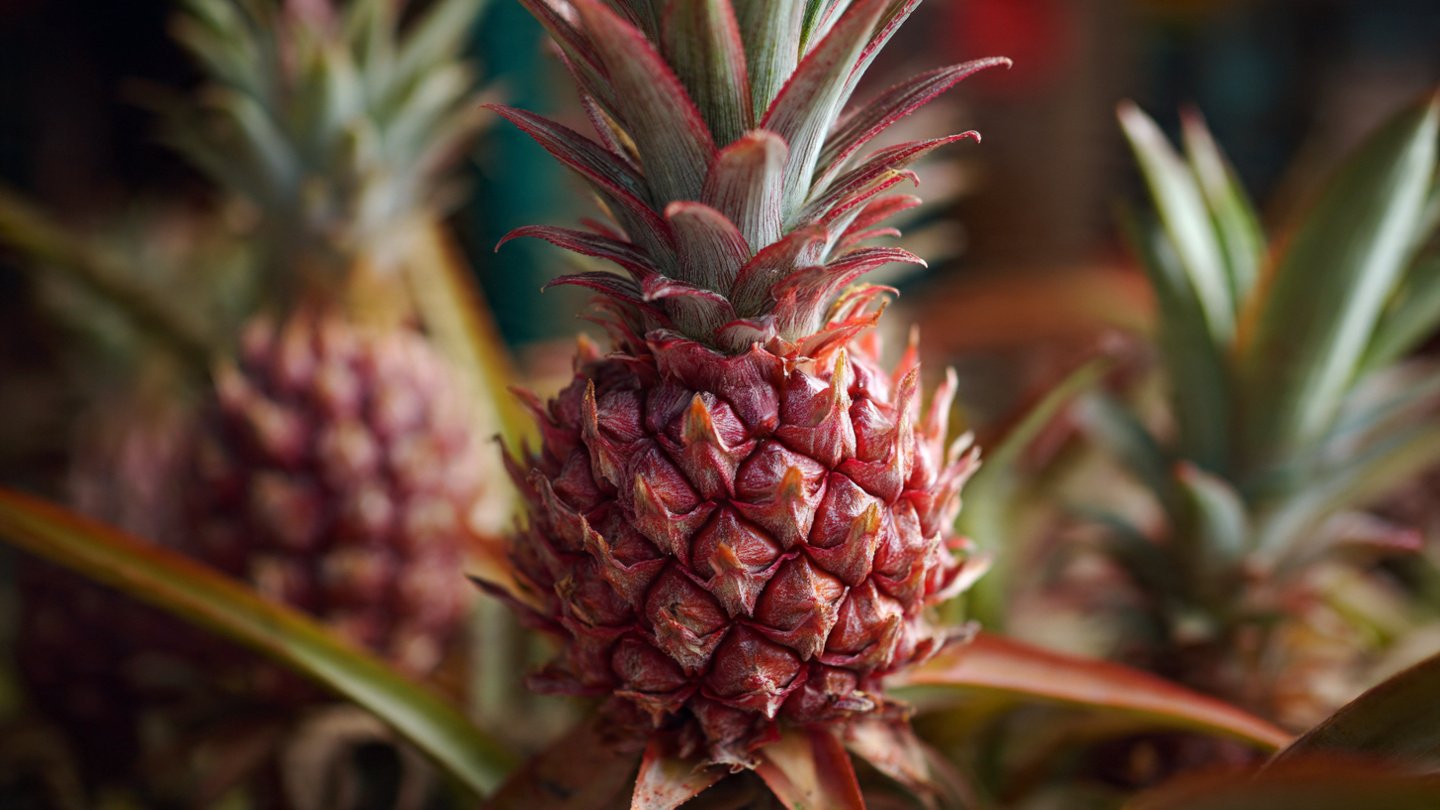
How Can You Successfully Grow a Pineapple from the Crown of a Store Bought Fruit?
Yezdi Roadster 2026 Launched: Smooth Engine, Muscular Cruiser Design, Advanced Features
EPFO Pension New Rules 2026: Salary Limit Changed, Pension Will Increase
2026 Rolls-Royce Motorhome Redefining Ultra-Luxury Road Travel With Timeless Elegance
Motorola New Smartphone With 420MP Camera, 7700mAh Battery at ₹9,900
Motorola Razr 50 Ultra New 5G Foldable Smartphone With Attractive Design, 165Hz Display
Nokia 2660 Flip 4G Beautiful Design Flip Keypad Phone With 12MP Camera at Just ₹2,500
Motorola Unveiled Stunning Design Smartphone With 250MP Camera, 16GB RAM and 95W Superfast Charging
Vivo V50 Lite 5G Smartphone Launched With 3 Days Battery Backup, 6.77-Inch AMOLED Display at ₹19,000
Honor X9c Smartphone With 144Hz Display, 70W Charging and Circle Design Camera
Oppo Premium 5G Smartphone With 250MP Camera and 7800mAh Battery
Infinix 5G Smartphone Launched With 12GB RAM, 200MP Camera and Flagship-Level Design
Tata Nano EV 2026: Affordable Electric Car With 300km Range Starting at ₹3.5 Lakh in India
Day Will Turn Slowly to Night During the Longest Total Solar Eclipse of the Century Across Several Regions
Maruti Suzuki Grand Vitara 2026 With 2.8L Petrol Engine Delivers 37kmpl Mileage and Luxury Features
Galaxy S23 Ultra 5G With 108MP AI Camera and Fabulous Design
Yamaha XSR 155 2026 Launched With Smooth Engine, Neo-Retro Design and Advanced Features
Day Will Slowly Turn to Night as the Longest Total Solar Eclipse of the Century Creates a Rare and Spectacular Event
Known as the Black Gold of Agriculture, Chernozem Soil Helped Turn Ukraine, Russia and Kazakhstan Into Global Breadbaskets
Light Will Disappear for Minutes: Experts Warn an Extraordinary Solar Eclipse Is Approaching
Vivo Y21d Budget-Friendly Smartphone With 6000mAh Battery Launched
Triumph Scrambler 400 X 2026 Launched With Rugged Design, Torque-Rich Engine and Modern Features
Oppo A6 Pro Smartphone With 50MP Dual Camera and 256GB Storage
Tecno Pova Slim 5G Smartphone With 6.78-Inch 3D Curved Display at ₹17,000
New Maruti Brezza 2026 Stylish Compact SUV With 35 km/l Mileage, Luxury Features and Smart Tech
Age Pension Update 2026: $1,179 Increase Announced – Who Qualifies
Realme Narzo 90 Smartphone With Sleek Design and 7000mAh Battery
Vivo New Phone With 300MP Camera and 7600mAh Battery at ₹9,600
Poco M7 Plus 5G With Snapdragon Processor and 144Hz Display at Just ₹10,000
OnePlus Nord CE 5 5G Smartphone With 80W SuperVOOC Charging and 256GB Storage at ₹20,000
Redmi New 5G Phone Launched in India With 108MP Camera and Curved AMOLED Screen