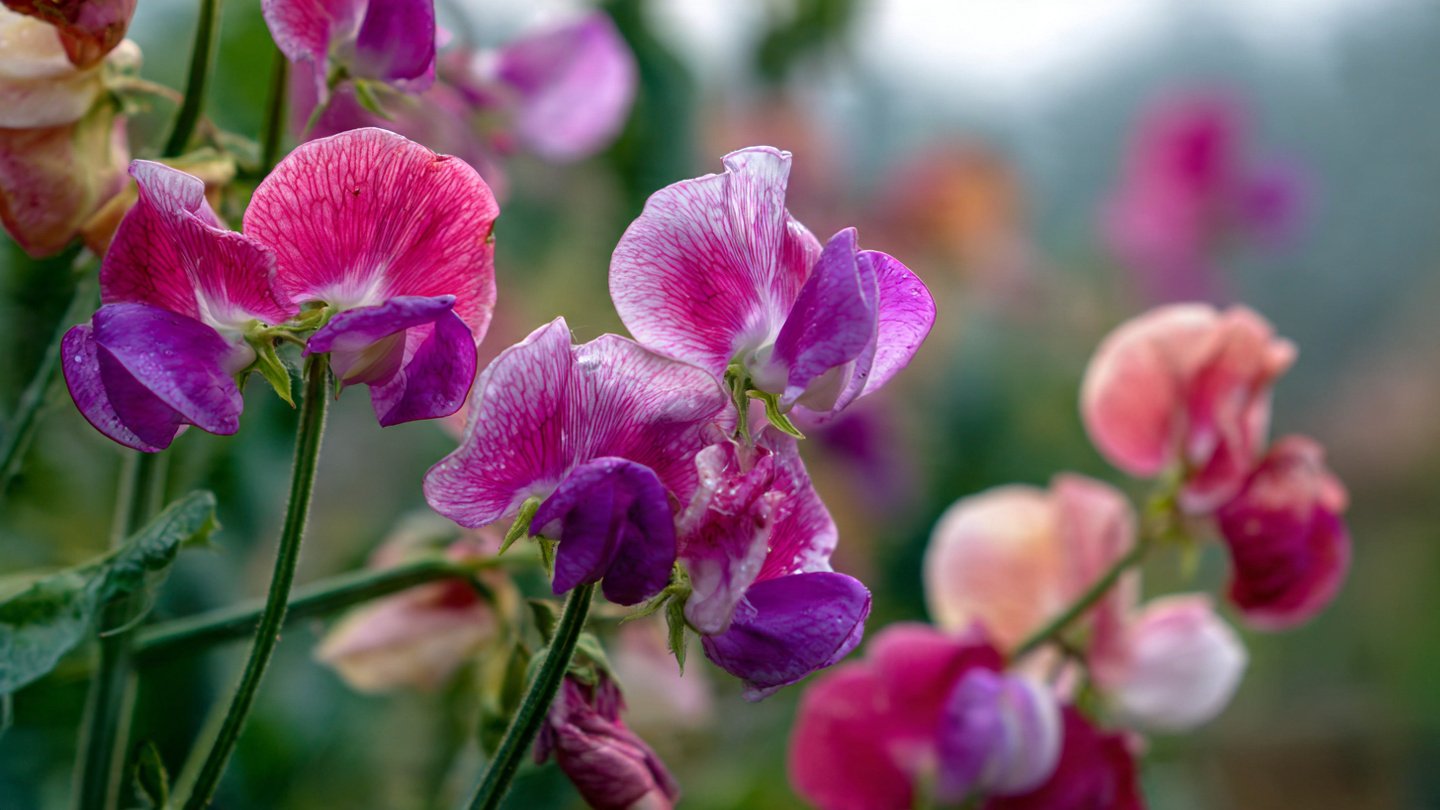
How to Grow Sweet Peas That Bloom for Months
Sweet peas (Lathyrus odoratus) are cherished for their delightful fragrance and beautiful blossoms. These annuals can transform any garden into a colorful heaven if cared for properly. Growing sweet peas that bloom continuously for months requires knowledge of their requirements, timing, and maintenance practices. In this comprehensive guide, we’ll explore everything you need to know about cultivating sweet peas that produce beautiful flowers all season long.
Understanding Sweet Peas
Origin and Characteristics
Sweet peas are native to the Mediterranean region. They belong to the legume family and are known for their climbing vines and sweet-scented flowers, which come in various colors, including pink, lavender, blue, and white. These flowers can bloom from spring to late summer, depending on conditions and care.
Types of Sweet Peas
Before planting, it’s important to know that there are different types of sweet peas:
- Spencer Sweet Peas: Known for their large blooms and long stems, they are ideal for cutting and arranging.
- Grandiflora Sweet Peas: With more delicate flowers, these are typically fragrant and available in a variety of colors.
- Dwarf Sweet Peas: As the name suggests, these are smaller and can be grown in containers or smaller spaces.
Selecting the Right Location
Sunlight Requirements
Sweet peas thrive in full sunlight, requiring at least 6-8 hours of direct sunlight daily. This exposure promotes healthy growth and abundant blooms.
Soil Preparation
Sweet peas prefer well-drained, fertile soil with a pH level between 6.0 and 7.0. Here’s how to prepare the soil:
- Testing: Conduct a soil test to gauge pH and nutrient levels. Following the test, amend the soil as necessary.
- Enrichment: Incorporate organic matter like compost or well-rotted manure to enrich the soil and improve drainage.
- Aeration: Loosen the soil to a depth of at least 12 inches to facilitate root growth.
Timing Your Planting
When to Plant
In most regions, it’s best to plant sweet peas in the spring as soon as the soil can be worked, typically when temperatures are consistently above 45°F (7°C). In milder climates, you may even plant in late fall for an earlier spring bloom.
Seed Sowing
- Direct Seeding: Sow seeds 1-2 inches deep and space them about 6-8 inches apart. Rows should be spaced 12-18 inches apart.
- Transplanting: If starting indoors, sow seeds in peat pots about 4-6 weeks before the last frost date.
Watering and Fertilization
Watering
Sweet peas require consistent moisture, especially during their growing phase. Water deeply but infrequently to encourage deep root growth. Aim for about 1 inch of water per week, adjusting for rainfall.
Fertilization
- Initial Feeding: Apply a balanced fertilizer (like a 10-10-10 NPK) at planting time to provide essential nutrients.
- Ongoing Care: Once plants are established, you can switch to a low-nitrogen fertilizer to promote blooming rather than leafy growth.
Supporting Growth
Trellising
Sweet peas are climbers and benefit from support. Install trellises, cages, or strings for them to climb. Here are options for trellising:
- Wire Fencing: Create a sturdy support structure using wire fencing or netting.
- Trellis Panels: Use tall trellis panels made of wood or metal.
Pruning and Pinching
Pinching back the growing tips of young plants can encourage bushier growth and more blooms. Prune any yellowing leaves to keep the plant healthy and robust.
Pest and Disease Management
Common Pests
Be vigilant for pests like aphids, slugs, and snails. You can control them by:
- Manual Removal: Hand-picking pests off the plants or using a strong spray of water.
- Beneficial Insects: Encourage predators like ladybugs to control aphid populations.
Diseases
Sweet peas can be susceptible to diseases like powdery mildew and root rot. Manage these by:
- Good Airflow: Space plants properly to ensure sufficient airflow.
- Watering Practices: Water at the base of the plants to prevent wetting the foliage.
Continuous Blooming Strategies
Successive Planting
To maintain blooms throughout the season, practice successive planting. Sow seeds every 2-3 weeks until mid-summer. This staggered approach ensures that as some blooms fade, others are just starting to flower.
Deadheading
Regularly deadhead spent flowers to encourage new blooms. Simply pinch or cut off flowers that are wilting or fading, which redirects the plant’s energy into producing more flowers.
Seasonal Care
In areas with extreme heat, sweet peas can struggle. Here are tips for maintaining blooms during hot weather:
- Mulching: Apply organic mulch to regulate soil temperature and retain moisture.
- Shade: Provide partial shade during the hottest part of the day, especially in regions with scorching summers.
Harvesting and Using Sweet Peas
When to Harvest
For the best fragrance and appearance, harvest flowers when they are fully open but still fresh. This ensures the most vibrant blooms for bouquets.
Arrangement Tips
When arranging sweet peas:
- Mix with complementary flowers to enhance their fragrance.
- Consider using a clean vase with fresh water to prolong their life.
- Change the water every few days to keep flowers looking fresh.
Conclusion
Growing sweet peas that bloom for months is a rewarding endeavor that enhances any garden with color and fragrance. By following the guidelines on timing, planting, watering, pest management, and continuous blooming practices, you can enjoy these lovely flowers throughout the growing season.
Whether used in bouquets or simply enjoyed in the garden, sweet peas will captivate anyone with their delightful charm. Happy gardening!