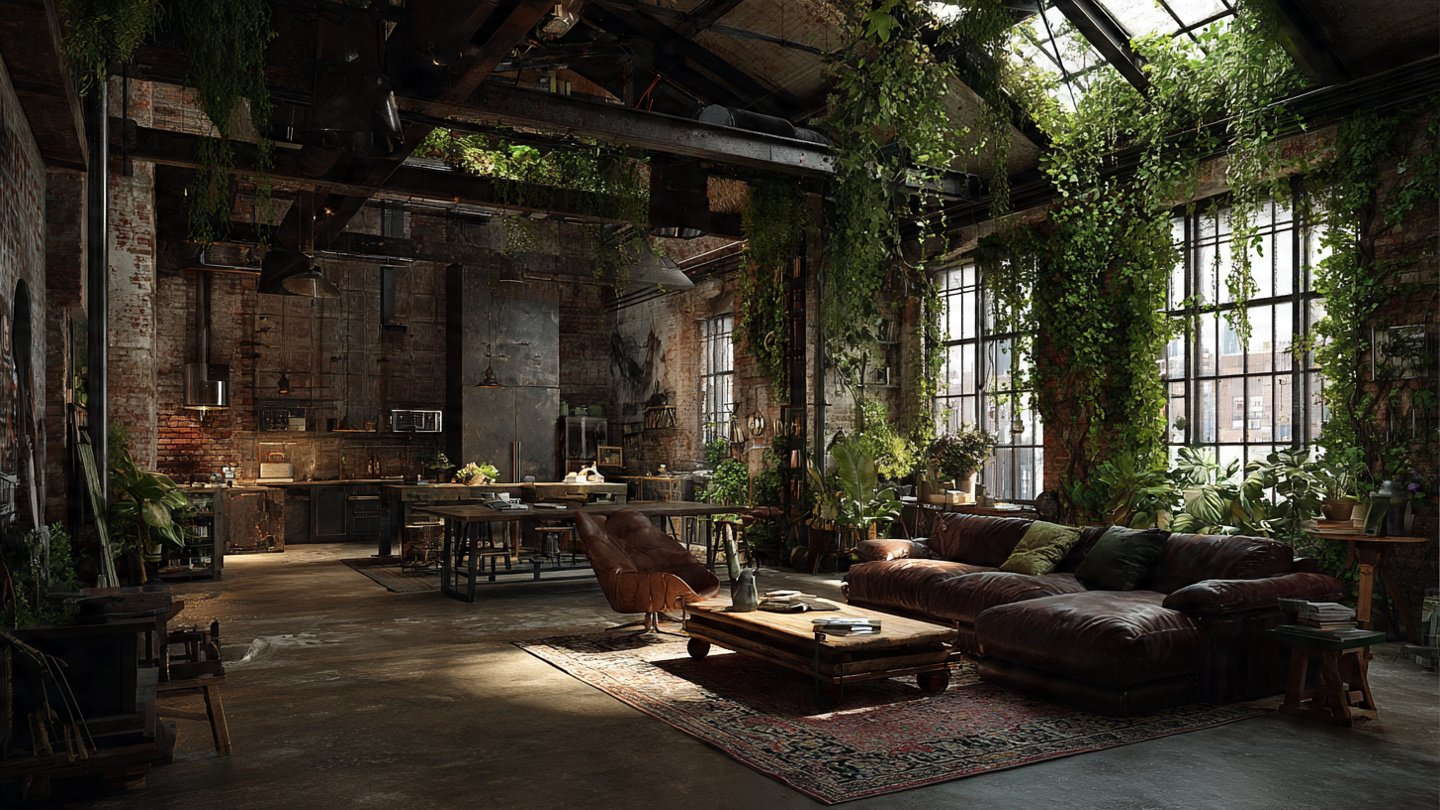
Industrial lofts are celebrated for their spaciousness, open floor plans, and the raw, unfinished beauty that often characterizes such spaces—exposed brick walls, steel beams, and concrete floors. However, while this aesthetic appeals to many, it can sometimes feel cold and impersonal. This is where the magic of plants comes into play. Incorporating greenery can completely shift the atmosphere of an industrial loft, bringing warmth, vibrancy, and life into an otherwise stark environment.
The Benefits of Plants in Industrial Spaces
Plants serve multiple purposes in interior decor, especially in industrial settings. Here are a few ways in which they can enhance the aesthetic appeal:
1. Softening Aesthetics
Industrial architecture often embraces hard lines and neutral colors. Adding plants introduces curves, colors, and textures that counterbalance the harshness of metal and concrete surfaces. The soft, lush forms of plants can create visual contrast, making the space feel more inviting.
2. Improving Air Quality
Aside from aesthetics, plants are known for purifying the air. They absorb toxins and release oxygen, which enhances the indoor air quality. This can be particularly beneficial in industrial lofts that may have limited ventilation.
3. Enhancing Mood and Productivity
Numerous studies suggest that incorporating greenery in living and working spaces can improve mood and productivity. Plants have proven to reduce stress levels, increase creativity, and promote overall well-being. In a high-ceilinged loft filled with industrial components, introducing plants can create a more comfortable and stimulating environment.
4. Customizing Space
Plants can serve as decorative elements that define different areas within open-plan lofts. For instance, large potted plants can create a sense of separation between living and workspaces without the need for partitions. Different plant sizes and types allow for customization, reflecting personal style and preferences.
Choosing the Right Plants
Not all plants are suited for indoor environments, and particularly for the unique conditions of an industrial loft. Here are some plant options that thrive in such spaces:
1. Snake Plant (Sansevieria)
The snake plant is low-maintenance and hardy, making it an excellent choice for busy individuals. Its upright leaves create a modern, sleek look, and it can thrive in low light conditions often found in industrial settings.
2. ZZ Plant (Zamioculcas zamiifolia)
The ZZ plant is known for its ability to tolerate neglect and low light. Its glossy leaves add a touch of elegance and requires minimal watering, making it perfect for lofts with inconsistent care schedules.
3. Fiddle Leaf Fig (Ficus lyrata)
For a more dramatic presence, the fiddle leaf fig’s large, lush leaves can make an impactful statement. It prefers bright, indirect light and adds a touch of sophistication to any room.
4. Pothos (Epipremnum aureum)
Pothos are versatile, easy-to-grow plants that can trail or climb. They thrive in low light and are perfect for adding greenery to shelves or hanging planters, seamlessly integrating into a modern loft’s decor.
Creative Ways to Incorporate Plants
Integrating plants into your industrial loft can be done in a variety of innovative ways:
1. Vertical Gardens
Utilizing vertical space is particularly advantageous in lofts. Vertical gardens can create stunning focal points on walls, adding depth and texture while saving floor space.
2. Hanging Planters
Hanging planters can add layers and dimensions to the decor. They create visual interest at different heights and utilize the vertical space effectively, especially in lofts with high ceilings.
3. Potted Arrangements
Group variations of potted plants together on a shelf or table for a mini indoor garden feel. Using different sizes, colors, and shapes can create a dynamic display.
4. Centerpieces and Accessories
Use larger plants as stunning centerpieces on dining and coffee tables. Small succulent arrangements can also serve as unique accessories that complement the industrial elements of the loft.
Maintenance and Care
While the aesthetic transformation that plants provide is admirable, proper care is necessary to ensure they thrive:
1. Watering
Over- or underwatering can harm plants. It’s essential to understand the specific needs of each plant type and adjust watering schedules accordingly.
2. Light Conditions
Assess the light levels in various parts of your loft. Some plants may require bright light, while others can tolerate lower light. Arrange your plants based on their light requirements.
3. Fertilization
Regular feeding during the growing season can help plants thrive. Choose a fertilizer appropriate for your specific plant types and follow the instructions on the product.
Conclusion
Incorporating plants into the stark and raw aesthetics of industrial lofts presents an exciting way to transform these spaces into inviting havens. Whether it’s through softening harsh lines, improving air quality, or enhancing mood, the presence of greenery breathes life into an otherwise cold environment. By selecting the right plants and integrating them creatively, anyone can enjoy the unparalleled beauty and numerous benefits that plants offer in industrial settings.
FAQs
1. What types of plants are best for low-light industrial lofts?
Plants like snake plants, ZZ plants, and pothos are excellent choices for low-light conditions and require minimal maintenance.
2. How can I care for my indoor plants in an industrial loft?
Understand the specific light and watering needs of your plants. Regularly check soil moisture and ensure proper drainage.
3. Can plants improve air quality in industrial lofts?
Yes, many indoor plants can help purify the air by absorbing toxins and releasing oxygen, enhancing the overall indoor environment.
4. How do I create a vertical garden in my loft?
You can use wall-mounted planters, shelves, or trellis systems to create a vertical garden. Choose plants that thrive in vertical arrangements, such as ferns and trailing varieties.
5. What are some creative ways to display plants in an industrial loft?
Incorporate hanging planters, create potted arrangements on shelves, or use large plants as centerpieces to add greenery horizontally and vertically.