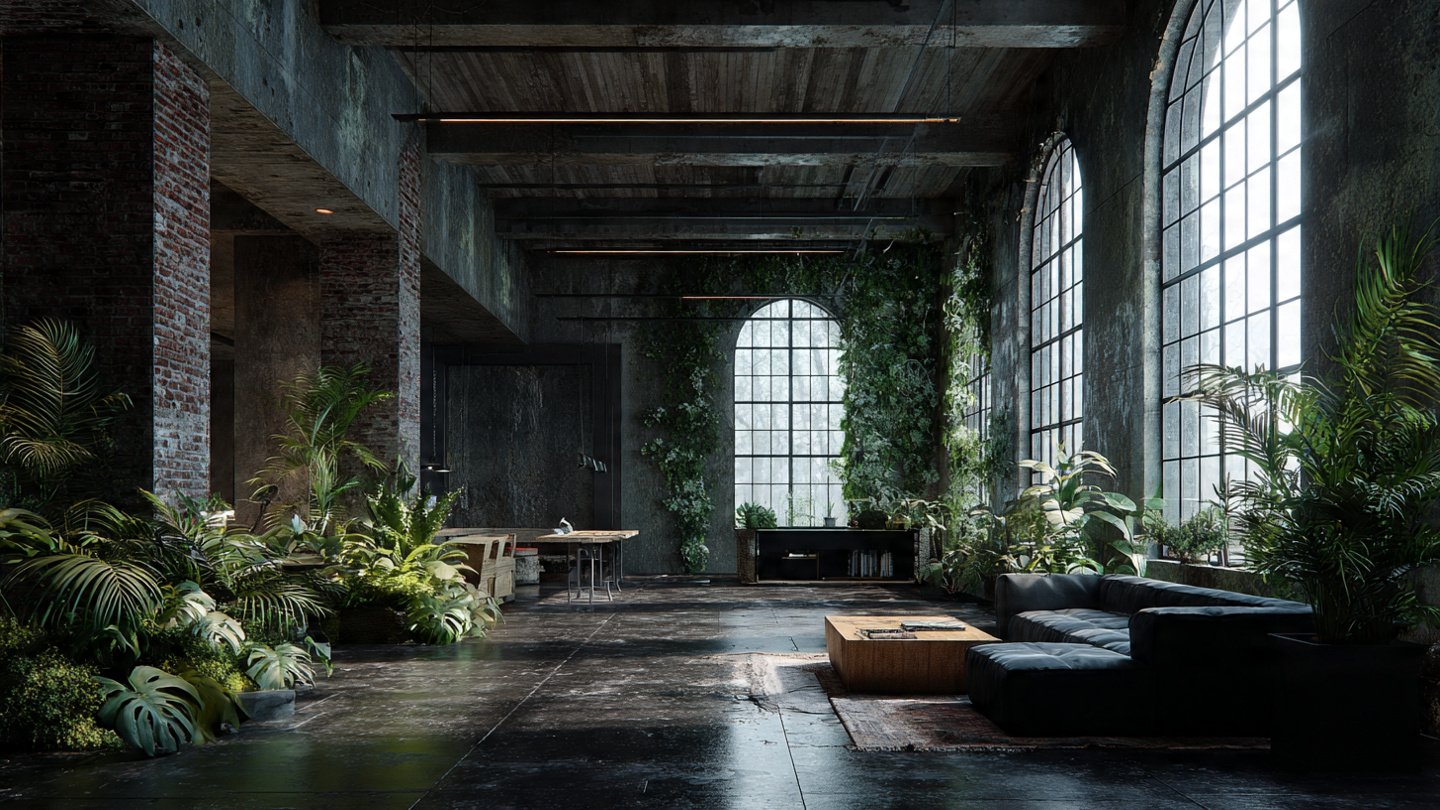
The Industrial Loft Aesthetic
Industrial lofts are characterized by their open spaces, large windows, exposed brick walls, and raw metal finishes. While this aesthetic evokes a sense of modern urban living, it can sometimes feel cold and uninviting. The starkness of concrete floors and steel beams can create an atmosphere that lacks warmth. However, integrating plants into these spaces can provide a remarkable transformation, bridging the gap between the industrial and the organic.
The Role of Plants in Interior Design
Plants have long been recognized not just for their beauty but also for their numerous psychological and physical benefits. Incorporating greenery can soften the harsh lines of industrial design and breathe life into seemingly sterile environments. Here is how plants can transform the harsh aesthetics of industrial lofts:
1. Adding Color and Texture
One of the most immediate impacts of adding plants to an industrial loft is the infusion of color and texture. While the raw materials of concrete and metal exude a monochromatic palette, incorporating various plants can introduce vibrant greens and diverse textures. For instance,:
- Succulents: These plants bring a pop of color through their unique shapes and hues.
- Ferns: Known for their delicate fronds, ferns can create a soft contrast against hard surfaces.
- Flowering plants: Orchids and peace lilies can add splashes of color that brighten up dark corners.
2. Improving Air Quality
Beyond aesthetics, plants play an essential role in enhancing indoor air quality. Many common houseplants, such as spider plants and snake plants, are known to purify the air by absorbing toxins and releasing oxygen. In an industrial setting, where volatile organic compounds (VOCs) may be present due to furniture or building materials, adding plants can help improve the overall ambiance and healthiness of the space.
3. Creating a Relaxing Atmosphere
The presence of plants has been shown to reduce stress and anxiety levels. The concept of biophilia suggests that humans have an innate affinity for nature, and incorporating plants into urban environments allows individuals to connect with the natural world. In industrial lofts, this connection can be facilitated through:
- Indoor gardens: Japanese Zen gardens can bring tranquility into the space.
- Vertical gardens: Green walls can create a calming effect while also serving as stunning focal points.
4. Softening Hard Edges
Industrial design often features sharp lines and angular shapes. Introducing plants can help soften these hard edges by incorporating organic forms. For instance, a large potted tree can stand majestically in a corner, drawing attention away from the starkness of steel and concrete.
5. Defining Spaces
Especially in open-plan lofts, plants can be used to delineate different areas. This is essential in spaces where function and aesthetic come together. For example:
- Potted plants: Arranging potted plants can define a lounge area.
- Hanging planters: These can create a natural divide between the living and working areas.
6. Enhancing Creativity
An environment rich in plants can enhance creativity and productivity. Studies have shown that individuals working in green environments experience higher levels of creativity. This is particularly significant in industrial loft offices where collaboration and innovation are key.
Choosing the Right Plants
When selecting plants for an industrial loft, it’s important to consider lighting, humidity, and maintenance needs. Some plants that thrive in loft environments include:
- ZZ plant: Thrives in low light and requires minimal maintenance.
- Pothos: Known for its ability to grow in various lighting conditions and its trailing vines
- Rubber plant: Prefers bright, indirect light and adds a tall element to a room.
Opting for a mix of sizes and types can ensure a dynamic arrangement, catering to both aesthetics and the functional elements of the space.
Maintenance Tips for Indoor Plants
Keeping plants healthy in an industrial loft can be challenging but not impossible. Here are some maintenance tips to consider:
- Consider lighting: Ensure the plants are placed according to their light requirements. Use grow lights if natural light is insufficient.
- Watering schedule: Establish a routine; overwatering or underwatering can lead to plant decline.
- Regular cleaning: Dust on leaves can obstruct sunlight absorption, so it’s crucial to wipe them down periodically.
- Fertilize when needed: Use appropriate fertilizers during growing seasons to keep plants vibrant.
Conclusion
The transformation of industrial lofts through plants is a powerful statement about the importance of integrating nature into urban living. By adding color, improving air quality, creating a relaxing atmosphere, and softening harsh aesthetics, plants can revolutionize the way we perceive and experience industrial spaces. With careful selection and maintenance, greenery can elevate the starkness of industrial design, fostering an environment that is not only visually compelling but also inviting and healthy.
FAQs
1. What are the best types of plants for low-light industrial lofts?
Some of the best low-light plants include snake plants, ZZ plants, and pothos, which can thrive in dim environments and require minimal care.
2. How can I ensure my plants thrive in a dry, industrial environment?
Increasing humidity through regular misting, using a humidifier, or grouping plants together can help create a more suitable environment for them to flourish.
3. Can plants really enhance creativity and productivity in a workspace?
Yes, research shows that green environments can stimulate creativity and improve focus, making them ideal for workspaces, including those in industrial lofts.
4. How often do I need to water my indoor plants?
It varies by plant species, but a general rule of thumb is to check the soil moisture and only water when the top inch of soil feels dry.
5. Are there any plants that are particularly good for air purification?
Yes, plants like spider plants, peace lilies, and bamboo palms are known for their air-purifying abilities and can contribute to better indoor air quality.