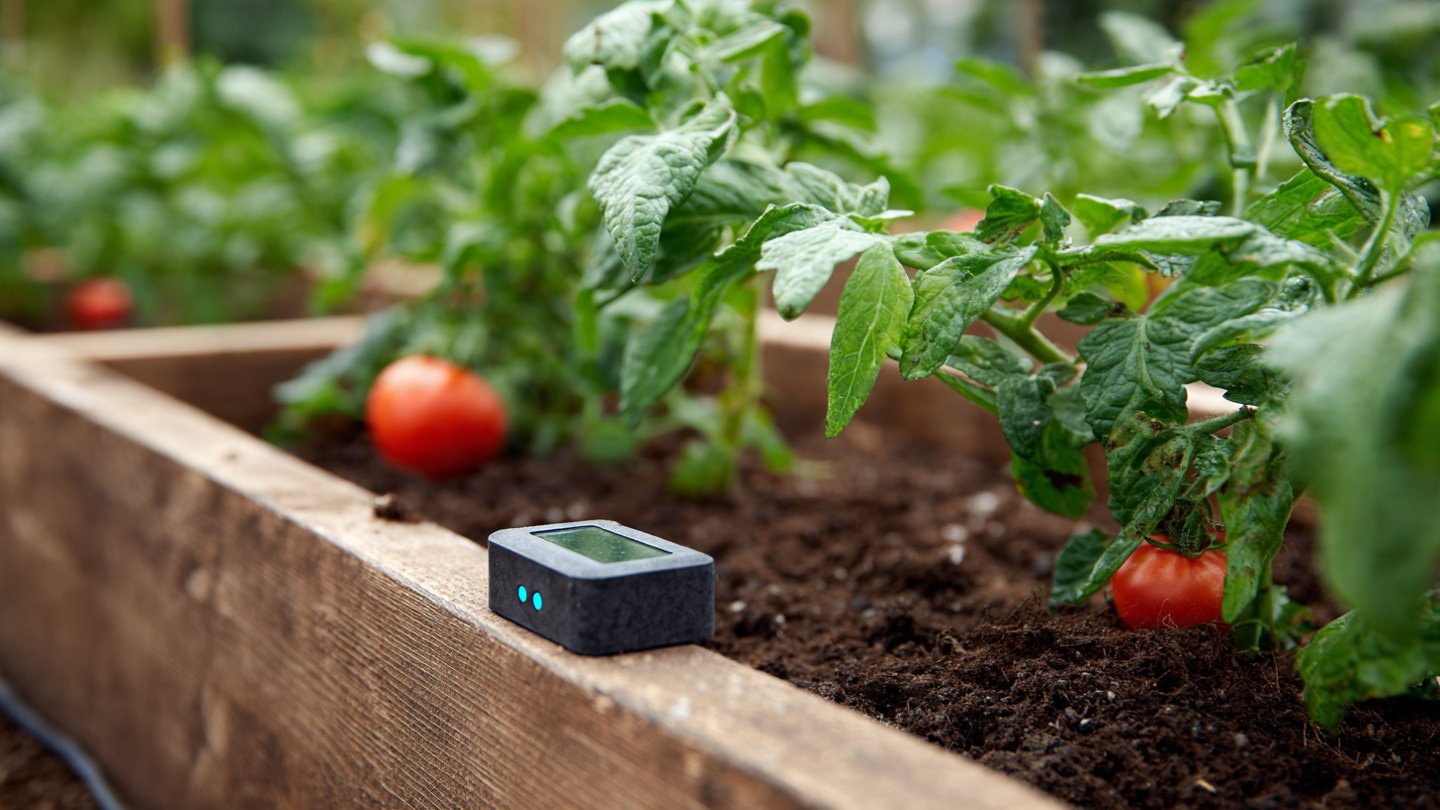
Raised bed gardening has become increasingly popular among both novice and seasoned gardeners. The appeal lies in its numerous advantages: improved soil drainage, easier pest management, better access for planting and harvesting, and the ability to customize soil composition to meet the needs of specific plants. As with any gardening method, however, effective water management is critical to achieving healthy, thriving plants.
This is where the innovation of moisture alarms comes into play. These devices can truly revolutionize your raised bed gardening experience. By providing real-time data on soil moisture levels, moisture alarms help ensure that your plants receive the right amount of water, leading to better growth and yield. Below, we explore how a moisture alarm can transform your gardening practices, enhance plant health, and save you time and resources.
Understanding Moisture Alarms
Moisture alarms, or soil moisture sensors, are devices designed to monitor the moisture levels in the soil. They come in various types, from simple analog models to advanced digital sensors that connect to your smartphone via Bluetooth or Wi-Fi. Most moisture alarms feature a sensor that is embedded into the soil, providing real-time data about moisture levels.
Some alarms will sound an alert when the soil becomes too dry or too wet, while more advanced models can also monitor temperature and humidity. This range of data enables gardeners to make informed decisions about watering schedules and plant care.
The Importance of Soil Moisture Management
Plants are highly sensitive to moisture levels, which affect their overall health, growth rate, and productivity. Too much or too little water can lead to various issues, including:
- Root Rot: Excessive moisture can suffocate plant roots, creating a breeding ground for harmful fungi.
- Wilting and Stunting: Insufficient water leads to wilting and stunted growth, affecting plant vitality and yield.
- Nutrient Deficiency: Water sits on the roots for too long or fails to transport nutrients effectively, leading to deficiencies.
Understanding your specific plants’ water needs is essential, but it can be challenging, particularly in varying weather conditions. A moisture alarm can eliminate this guesswork and make watering more efficient.
Benefits of Using a Moisture Alarm in Raised Bed Gardening
1. Precision Watering
By utilizing moisture alarms, gardeners can achieve precision watering. Instead of relying on a schedule or guessing based on external weather conditions, these sensors provide detailed insights into the soil’s moisture content. This means you can water only when necessary, conserving water and ensuring your plants stay healthy.
2. Prevention of Overwatering and Underwatering
One of the most significant challenges in gardening is finding the right balance between too much and too little water. A moisture alarm can send notifications when the soil reaches critical moisture levels, helping you avoid the detrimental effects of both overwatering and underwatering.
3. Improved Plant Health
Healthy plants require optimal moisture levels to thrive. By maintaining consistent soil moisture, moisture alarms contribute to stronger root development, better nutrient uptake, and improved plant health overall. The result? More vibrant flowers, larger fruits, and a more bountiful harvest.
4. Time and Labor Savings
Gardening can be time-consuming, especially when it comes to manual watering. With a moisture alarm, you can significantly reduce the time spent assessing soil conditions. Automated alerts allow you to attend to watering only when necessary, freeing up your schedule for other gardening tasks or leisure activities.
5. Data-Driven Decisions
Many modern moisture alarms come equipped with apps that track moisture levels over time, allowing for data-driven decision-making. By monitoring past moisture patterns, you can better understand your plants’ needs and adjust your care routine accordingly. This historical data helps gardeners learn from previous seasons, enhancing their overall gardening wisdom.
6. Customization for Specific Plants
Different plants have unique water needs; for instance, certain succulents require minimal moisture, while leafy greens prefer more consistent moisture levels. A moisture alarm allows you to customize watering schedules based on the specific requirements of each plant type within your raised beds. This level of customization can lead to thriving, productive gardens.
7. Sustainability
Water conservation is a key benefit of using moisture alarms. Given the ongoing global conversation about the importance of sustainable gardening practices, using a moisture alarm can be a step toward minimizing water waste. By ensuring that you water only when necessary, you contribute to the conservation of a precious natural resource.
How to Integrate Moisture Alarms into Your Gardening Routine
If you’re thinking about incorporating moisture alarms into your raised bed gardening, here’s a step-by-step guide to get you started:
Step 1: Choose the Right Moisture Alarm
There are numerous models on the market, ranging from simple to advanced. Consider factors such as:
- Range: Some alarms are designed for small plots, while others can cover larger areas.
- Connectivity: Do you want a device that connects to your smartphone for real-time updates?
- Features: Some models offer additional features, such as temperature and humidity monitoring.
Step 2: Placement of Sensors
When placing moisture sensors, consider different areas of your raised beds. It can be beneficial to have multiple sensors to monitor various sections, particularly if you have a range of plants with different water needs.
Step 3: Set Parameters for Alerts
Most moisture alarms allow you to set specific moisture level parameters. Determine the ideal moisture content for the plants you’re growing, and configure your device to alert you when those levels fall outside the desired range.
Step 4: Monitor and Adjust
Take time to monitor the data provided by your moisture alarm. Learn how your plants respond to different moisture levels and fine-tune your watering practices over time for optimal growth.
Step 5: Combine with Other Smart Gardening Technology
For those looking to take their gardening to the next level, moisture alarms can be paired with other smart gardening technologies. Automated irrigation systems can be activated based on moisture sensor data, providing a fully integrated watering solution.
Conclusion
As technology evolves, so too does our ability to enhance traditional gardening methods. A moisture alarm is a revolutionary tool that can significantly improve your raised bed gardening experience. By allowing for precise watering, preventing over- and underwatering, improving plant health, and conserving resources, these devices represent a significant advancement in modern gardening practices.
Investing in a moisture alarm is not just about convenience but also about being a responsible gardener who understands the importance of water management. With the right tools, you can cultivate a thriving garden that showcases your skills while also promoting sustainability. Whether you’re growing vegetables, herbs, or flowers, a moisture alarm can help you achieve magnificent results. Make the leap to smarter gardening today—your plants will thank you for it!