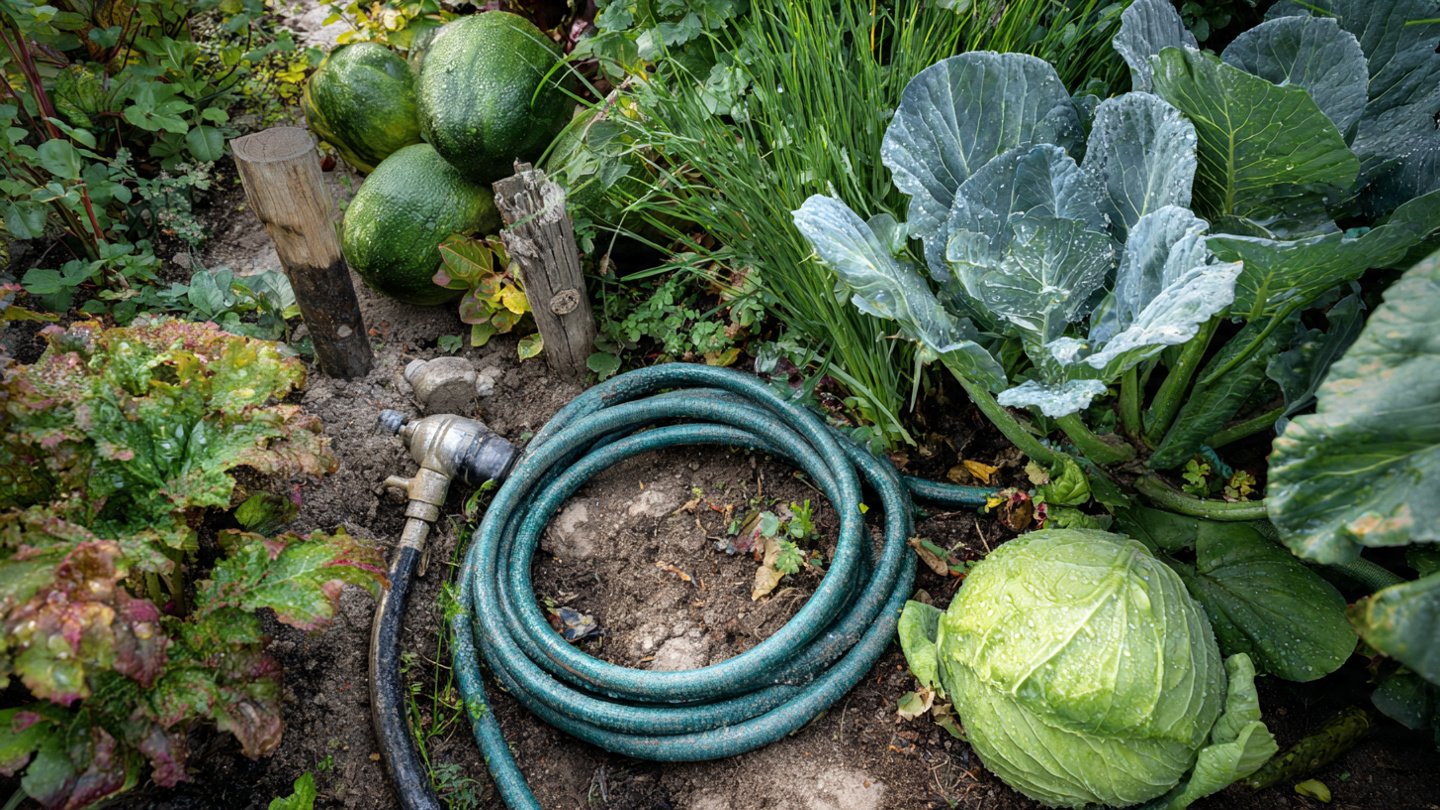
As gardening enthusiasts, we often focus on soil health, organic fertilizers, and pest control methods to ensure that our vegetables are grown in the healthiest environments. However, one overlooked element in our gardening practices is the garden hose we use to water our precious plants. Could your garden hose be contaminating your organic vegetables? The answer might surprise you. In this article, we will explore the potential risks associated with garden hoses, the materials they are made from, and practical solutions to ensure your garden remains both organic and safe.
Understanding the Basics: Garden Hose Materials
Most garden hoses are made from various materials, including rubber, vinyl, and polyurethane. These materials can have differing impacts on water quality and, subsequently, on the plants we grow in our gardens:
-
Rubber Hoses: While traditionally considered more pliable and durable, rubber hoses can leach chemicals, especially when exposed to sunlight and heat over time.
-
Vinyl Hoses: Often less expensive, vinyl hoses are lightweight and easy to maneuver but can contain harmful plasticizers such as phthalates and BPA that may leach into the water they carry.
-
Polyurethane Hoses: Known for being flexible and resistant to kinks, these hoses are often free of harmful chemicals, making them a more suitable choice for organic gardening.
The Issue of Contamination
-
Chemical Leaching: Some materials used in garden hoses contain chemical substances that can leach into the water, especially when the hose is exposed to heat (such as lying in the sun) or when the water in the hose sits stagnant. Chemicals can seep into the water and subsequently be absorbed by the plants in your garden. Studies have shown that components like lead, phthalates, and other toxic substances can intermittently infiltrate the water supply through these hoses, endangering the quality of your produce.
-
Microbial Contamination: Hoses can also harbor bacteria, algae, and other pathogens, particularly when stored in damp conditions or left out for extended periods. These microbes can proliferate inside the hose and can be transferred to your vegetables while watering. Moreover, if the hose is connected to a municipal water source, any existing contaminants in that water supply could further compromise your garden’s health.
-
Fungicides and Herbicides: If a hose is used interchangeably for watering and for cleaning tools or spraying chemicals, residual fungicides and herbicides might linger in the hose. While this may not initially seem like a concern, even trace amounts can eventually end up in your soil and crops, potentially negating your efforts to maintain an organic garden.
Assessing the Risk: How Contaminated Water Affects Vegetables
The impact of contaminated water on organic vegetables is multifaceted:
-
Absorption by Plants: Vegetables absorb water and nutrients from the soil, which includes any harmful chemicals or pathogens present. This means that even if you grow your produce in organic soil and employ organic practices, the water you use can introduce toxins or pathogens that might affect plant health.
-
Human Health Risks: Consuming contaminated produce can pose direct health risks to humans. Some pesticides and chemicals have been linked to various health issues, including hormonal disruptions, cancer, and neurological disorders. Moreover, pathogens can cause foodborne illnesses, posing risks to you and your family.
Identifying the Signs of Contamination
How can you identify potential contamination in your garden hose? Here are some signs to watch out for:
-
Discoloration and Odor: If your hose has an unusual discoloration or emits a strange odor, that’s often a sign it’s leaching harmful substances into the water. A strong rubber or plastic smell can be a clue.
-
Presence of Algae: If you see green or brown slime within or on the outside of your hose, it may indicate microbial growth. This could potentially transfer harmful microbes to your vegetables.
-
Hose Age and Condition: Older hoses are more likely to contain harmful substances and may be more prone to leaching. If your hose shows signs of wear, cracks, or discoloration, it may be time to replace it.
Making the Right Choice: Selecting a Safe Garden Hose
Choosing the right garden hose can significantly minimize the risks of contamination. Here are some tips for selecting a safer alternative:
-
Look for Non-Toxic Materials: Opt for hoses made from materials that are explicitly labeled as free from harmful chemicals. Polyurethane hoses often offer a good balance of flexibility and safety for organic gardening.
-
Check for Certifications: Some manufacturers provide certifications that give peace of mind regarding the safety of their products. Look for products that meet drinking water standards set by organizations like the NSF (National Sanitation Foundation) or the FDA.
-
Choose Lightweight Options: Lightweight hoses, while easier to manage, tend to be less durable. Investing in high-quality, heavy-duty hoses can be beneficial in the long run.
-
Consider Hose Colors: Some colors may hide mold or algae growth better than others. Opting for lighter-colored hoses can help detect such issues early.
Best Practices for Garden Hose Use
Even if you choose a non-toxic hose, proper care and maintenance are essential to ensure your watering practices remain safe. Here are some best practices:
-
Avoid Sun Exposure: Store your hose in a shaded area where it won’t be exposed to direct sunlight for prolonged periods. This can reduce the likelihood of chemical leaching.
-
Empty the Hose: After each use, empty your hose and hang it up to allow it to dry. Doing so will help prevent the growth of algae and reduce microbial contamination.
-
Don’t Leave Water Sitting: Avoid leaving water in the hose for an extended period, especially in warmer weather, as stagnant water can become a breeding ground for pathogens.
-
Limit Elective Uses: If your hose has been used to spray chemicals or clean tools, refrain from using it for watering vegetables until it has been thoroughly cleaned and purged of any residue.
Alternative Watering Methods
As we focus on organic gardening, consider alternative methods for irrigation that may further reduce risks:
-
Rainwater Collection: Utilizing rain barrels to collect and store rainwater can be a sustainable and chemical-free way to water your garden. Ensure that your rain barrel has a fine mesh cover to prevent mosquito breeding and contamination.
-
Drip Irrigation Systems: Investing in a drip irrigation system eliminates the need for hoses altogether and minimizes water loss while providing a direct water supply to the plant roots. This method can efficiently use water without exposing it to external contaminants.
-
Soaker Hoses: These hoses are designed to release water slowly into the soil, providing moisture directly at the root level without the risk of contaminating the plant leaves.
Conclusion: Safeguarding Your Organic Garden
Your garden hose could indeed be a source of contamination in your organic vegetable garden. With the understanding of the materials, potential risks, and best practices outlined in this article, you can take steps to ensure that your watering practices are safe. Choosing the right hose and employing effective maintenance methods can significantly mitigate contamination risks, allowing you to grow organic vegetables that are not only healthy for you but also safe for the environment.
By remaining vigilant and educated, you can enjoy the fruits of your labor without the unnecessary worry of harmful exposure. Remember, achieving a truly organic garden is a multifaceted effort, and the tools we use, including that trusty garden hose, play a critical role in the health of your vegetables and overall gardening experience.