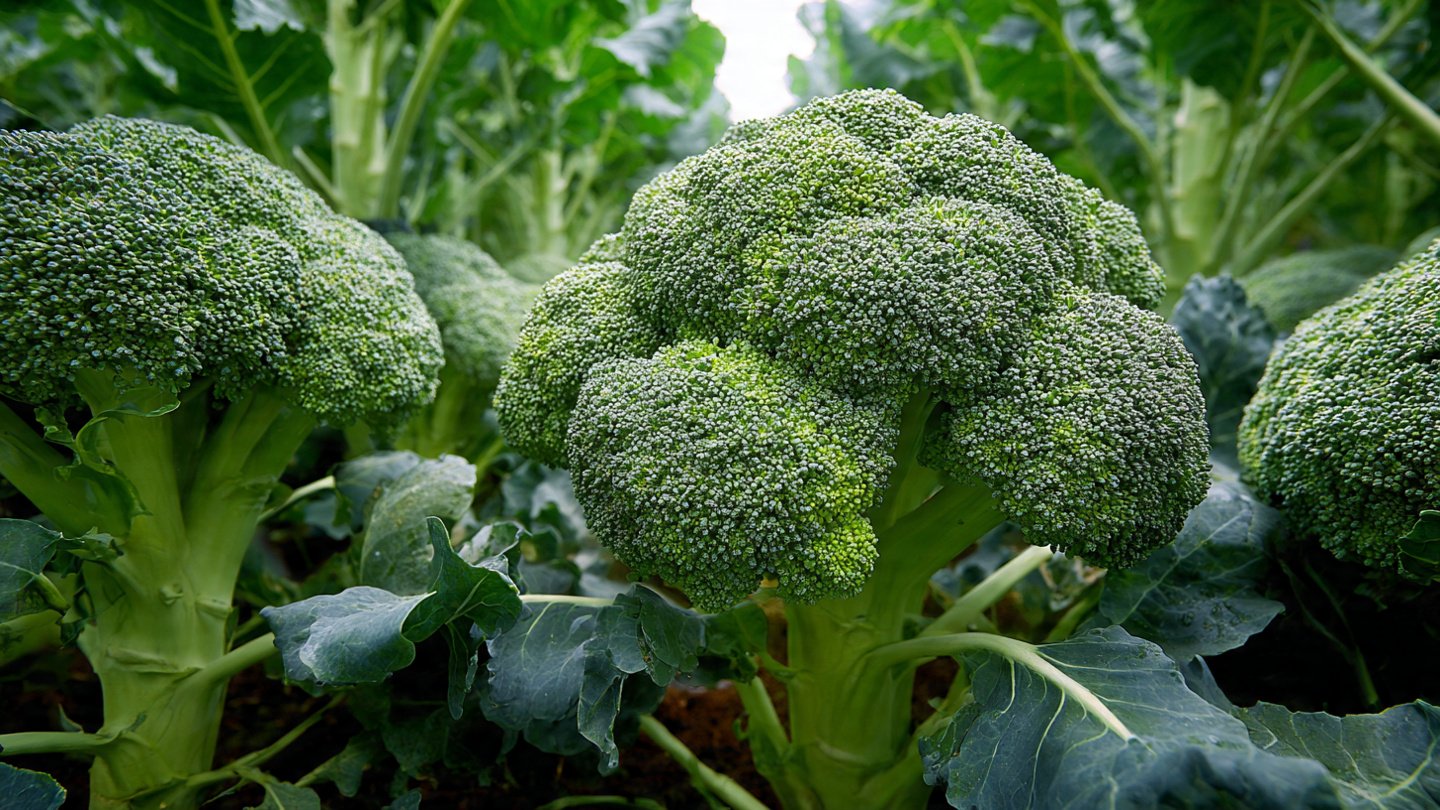
Broccoli is a nutritious vegetable known for its numerous health benefits, making it a popular choice in gardens across the globe. However, growing massive broccoli that can withstand the heat of summer can be quite a challenge. With the right techniques and practices, you can cultivate hearty broccoli plants that thrive even in high temperatures. This article will guide you through various strategies to ensure that your broccoli remains robust and productive, regardless of the heat.
Understanding Broccoli’s Growing Conditions
Broccoli belongs to the brassica family, which also includes cabbage, kale, and cauliflower. It thrives in cooler weather but can be grown successfully during hot spells with proper care. Understanding its requirements is crucial to success:
- Soil: Loamy soil rich in organic matter is optimal for broccoli growth. The soil pH should range between 6.0 and 7.0.
- Sunlight: Broccoli prefers full sun, receiving at least 6 to 8 hours of direct sunlight each day.
- Water: Consistent moisture is essential; however, avoid waterlogged conditions, which can lead to root rot.
- Temperature: Ideal daytime temperatures are between 60°F to 70°F (15°C to 21°C), but with some efforts, broccoli can be grown in higher temperatures.
Choosing the Right Variety
The first step to growing broccoli successfully in warmer conditions is choosing the right variety. Some types of broccoli are more heat-resistant than others. Here are a few recommended varieties:
- Summer Harvest: Known for producing large heads even in warm conditions.
- Green Goliath: A robust variety that tolerates heat and continues to produce side shoots after the main head is harvested.
- Calabrese: A classic variety that is heat tolerant and produces good yields.
Preparing the Soil
Soil preparation is vital for ensuring your broccoli plants have the necessary nutrients and structure to thrive:
- Soil Testing: Test your soil for pH and nutrient levels. Local agricultural extensions often provide free or low-cost testing services.
- Incorporate Organic Matter: Add well-rotted compost or manure to improve soil structure and nutrient content.
- Incorporate Mulch: Applying a layer of mulch helps retain moisture in the soil and regulates temperature, providing a cooler environment for the roots.
Timing Your Planting
Timing is one of the critical factors in growing broccoli in hot weather. Since broccoli is a cool-season crop, proper scheduling can lead to successful harvests:
- Direct Seeds or Seedlings: In warmer climates, start seeds indoors and transplant seedlings to the garden after the last frost date for a summer harvest.
- Fall Crop: Consider planting broccoli in late summer for a fall harvest, as the temperatures begin to cool down.
Watering Techniques
Watering is a crucial aspect of growing broccoli during hot weather. Here are some strategies to ensure your plants receive adequate moisture:
- Deep Watering: Water deeply and thoroughly instead of frequent shallow watering. This encourages roots to grow deep into the soil.
- Morning Watering: Water early in the morning when temperatures are cooler to reduce evaporation.
- Drip Irrigation: Consider using drip irrigation systems to deliver water directly to the soil, reducing water waste and keeping foliage dry.
Managing Heat Stress
Heat stress can severely affect broccoli growth and yield. Here are methods to manage heat stress effectively:
- Shade Cloth: Use shade cloth to protect young plants from the scorching sun during the hottest parts of the day.
- Companion Planting: Utilize companion planting techniques to create a microclimate around broccoli. Plants like lettuce and radishes can provide some shade and protection.
- Regular Monitoring: Keep a close eye on plants for signs of stress, like wilting or yellowing leaves, and adjust water and care accordingly.
Pest and Disease Management
Heat can make plants susceptible to various pests and diseases. Implement preventive measures to safeguard your broccoli:
- Regular Inspections: Check plants regularly for signs of pests like aphids, caterpillars, and cabbage worms.
- Organic Pesticides: Use insecticidal soap or neem oil for pest control options that are safer for plants and the environment.
- Crop Rotation: Rotate planting locations yearly to prevent pest and disease buildup in the soil.
Harvesting Your Broccoli
Knowing when to harvest your broccoli is crucial for achieving maximum flavor and nutrition:
- Tight Buds: Harvest when the buds are tight and firm, before they start to open and flower.
- Stem Length: Cut the stalk about 4 to 6 inches below the head. This encourages side shoots to develop, extending your harvest time.
Conclusion
Growing massive broccoli that withstands heat requires attention to detail, from selecting the right variety to implementing effective watering techniques and pest management strategies. By understanding the unique needs of broccoli and adjusting your gardening practices accordingly, you can enjoy a bountiful harvest even in the warmer months. Patience and persistence, combined with these practices, will enable you to cultivate healthy, resilient broccoli plants that thrive despite high temperatures. Happy gardening!
FAQs
1. Can broccoli grow in full sun?
Yes, broccoli thrives in full sun but requires sufficient water and care to prevent heat stress in high temperatures.
2. How often should I water broccoli in hot weather?
Water deeply about 2-3 times a week, depending on soil moisture, to ensure the plants’ roots stay hydrated.
3. What pests are common in broccoli?
Aphids, caterpillars, and cabbage worms are common pests that can affect broccoli. Regular monitoring and organic pest control methods are effective.
4. Is it better to start broccoli from seeds or seedlings?
Starting from seedlings can give you a head start, especially in warmer climates, as they adapt better when transplanted.
5. What diseases affect broccoli in hot weather?
Hot weather can lead to diseases like powdery mildew, especially if plants are stressed. Adequate spacing and air circulation can help prevent this.