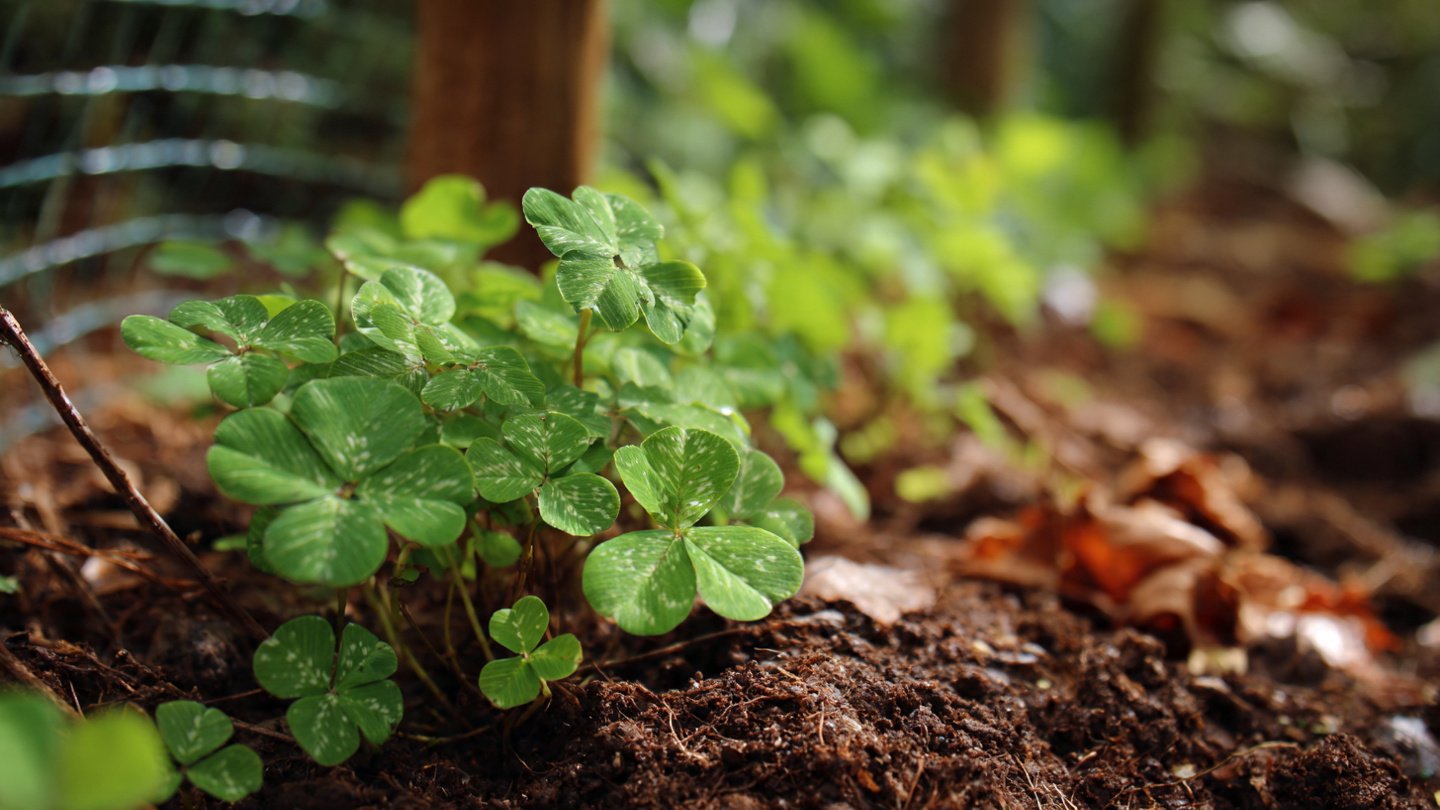
Growing fruit trees is a rewarding experience for gardeners and orchardists alike. However, achieving optimal growth and health for these trees requires careful consideration of soil quality, nutrient balance, and biodiversity. One effective method for enhancing the vitality of fruit trees is the practice of planting clover underneath them. This article dives into various ways clover can positively impact the growth and health of fruit trees.
Understanding Clover
Clover is a legume, belonging to the Trifolium genus, and it is commonly found across temperate regions. Species such as white clover (Trifolium repens) and red clover (Trifolium pratense) are particularly favored for agricultural and gardening applications. One of the primary advantages of planting clover is its ability to fix atmospheric nitrogen, enriching the soil in which it grows.
Nitrogen Fixation
One of the most significant benefits of clover is its nitrogen-fixing properties, a process whereby certain bacteria residing in the root nodules of legumes capture atmospheric nitrogen and convert it into a form that plants can utilize. This is crucial for overall plant health, including that of fruit trees. Nitrogen is an essential nutrient that promotes leafy growth, enhances fruit quality, and contributes to overall plant vigor.
Nutrient Cycling
Clover also contributes to nutrient cycling in the soil. When clover plants die back or are mowed, they add organic matter to the soil, enriching it with various nutrients like phosphorus, potassium, and trace minerals. This organic matter improves soil structure, enhances water retention, and creates a more fertile environment that benefits fruit trees.
Enhancing Soil Structure
Healthy soil is the foundation for vigorous growth in fruit trees. Clover, with its deep taproot system, can improve soil structure by breaking up compacted soil layers. This aeration facilitates better root growth and improves water drainage, reducing the risk of root rot—a critical issue for fruit trees.
Encouraging Beneficial Microorganisms
Clover also plays a vital role in promoting beneficial microorganisms in the soil. The organic matter produced by clover as it breaks down serves as food for microbes, leading to a thriving ecosystem in the soil. These microorganisms work symbiotically with fruit tree roots, aiding in nutrient absorption and protecting against soil-borne diseases.
Weed Suppression
Weeds compete with fruit trees for water, nutrients, and sunlight. Clover acts as a natural ground cover, effectively suppressing weeds. By establishing a dense mat of clover, you not only reduce the need for chemical herbicides but also promote a healthy growing environment for your fruit trees. This weed suppression further ensures that fruit trees receive the resources they need to thrive.
Drought Resistance
Clover can help to improve water retention in the soil, making it less susceptible to drought conditions. During dry spells, clover maintains soil moisture levels, benefiting the shallow-rooted systems of young fruit trees. This resilience is crucial for maintaining optimal growth conditions, especially in regions prone to fluctuating water availability.
Pest Management
Another less-common but notable benefit of planting clover beneath fruit trees is its potential to attract beneficial insects. Clover flowers serve as a nectar source for pollinators such as bees, which are essential for fruit set in many tree species. Additionally, clover can attract predatory insects that feed on common pests, effectively aiding in pest management.
Biodiversity Enhancement
By incorporating clover into your fruit tree planting, you are effectively enhancing the biodiversity of your orchard. Increased biodiversity leads to a more resilient ecosystem capable of withstanding pests and diseases. This improved pest management and resilience can contribute to healthier, more productive fruit trees.
Choosing the Right Clover Variety
When deciding to plant clover under your fruit trees, selecting the appropriate variety is critical. Factors such as climate, soil type, and the specific needs of your fruit trees should all be taken into account.
White Clover (Trifolium repens)
White clover is often favored for its low growth habit and ability to thrive in various soils. It is tolerant of foot traffic and can fix nitrogen efficiently, making it an excellent companion for fruit trees. It typically grows to a height of 6–12 inches and can adapt to both wet and dry conditions.
Red Clover (Trifolium pratense)
Red clover is suitable for more vigorous growth and produces larger flowers that attract pollinators. It fixes nitrogen effectively and offers substantial biomass, which can significantly enrich the soil once it begins to decay.
Planting and Maintenance Tips
Soil Preparation
Before planting clover, it is essential to prepare the soil. Remove any existing weeds and debris under the fruit trees, and lightly till the soil to create a seedbed. This will encourage better seed-to-soil contact, leading to more successful germination.
Seeding Rates
The recommended seeding rate for clover varies depending on the variety but generally falls between 1 to 2 pounds per 1,000 square feet. Ensure that the clover seeds are spread evenly and gently raked into the soil to enhance seed-to-soil contact.
Mowing and Management
Regular mowing may be necessary to prevent clover from outcompeting or shading the young fruit trees. Keeping clover to a height of 4–6 inches encourages a healthy balance between ground cover benefits and maintaining light availability for your trees.
Challenges and Considerations
While planting clover can offer myriad benefits, it can also present some challenges. In particular, clover can attract certain pests, such as aphids, which may find their way to neighboring fruit trees. However, balanced biodiversity often mitigates these risks by attracting beneficial insects that prey on harmful pests.
Seasonal Management
In colder climates, clover’s growth may slow during winter months. Depending on your local climate, you may want to consider supplementing clover with other cover crops during cooler seasons to maintain soil health and structure.
Conclusion
Planting clover under your fruit trees is a valuable practice for enhancing growth and health. By fixing nitrogen, improving soil structure, suppressing weeds, managing pests, and promoting biodiversity, clover contributes significantly to a thriving orchard ecosystem. Understanding how to choose, plant, and care for clover will maximize its benefits, leading to healthier, more productive fruit trees. Embracing this sustainable gardening technique not only boosts fruit production but also enhances environmental health, making it a win-win for both gardeners and nature alike.
As you consider your next steps in fruit tree cultivation, think about integrating clover into your plans. The advantages it offers will not only promote the well-being of your trees but will also enrich the soil and ecosystem in which they grow. Ultimately, the growth and health of your fruit trees can be significantly enhanced through this simple yet effective practice.