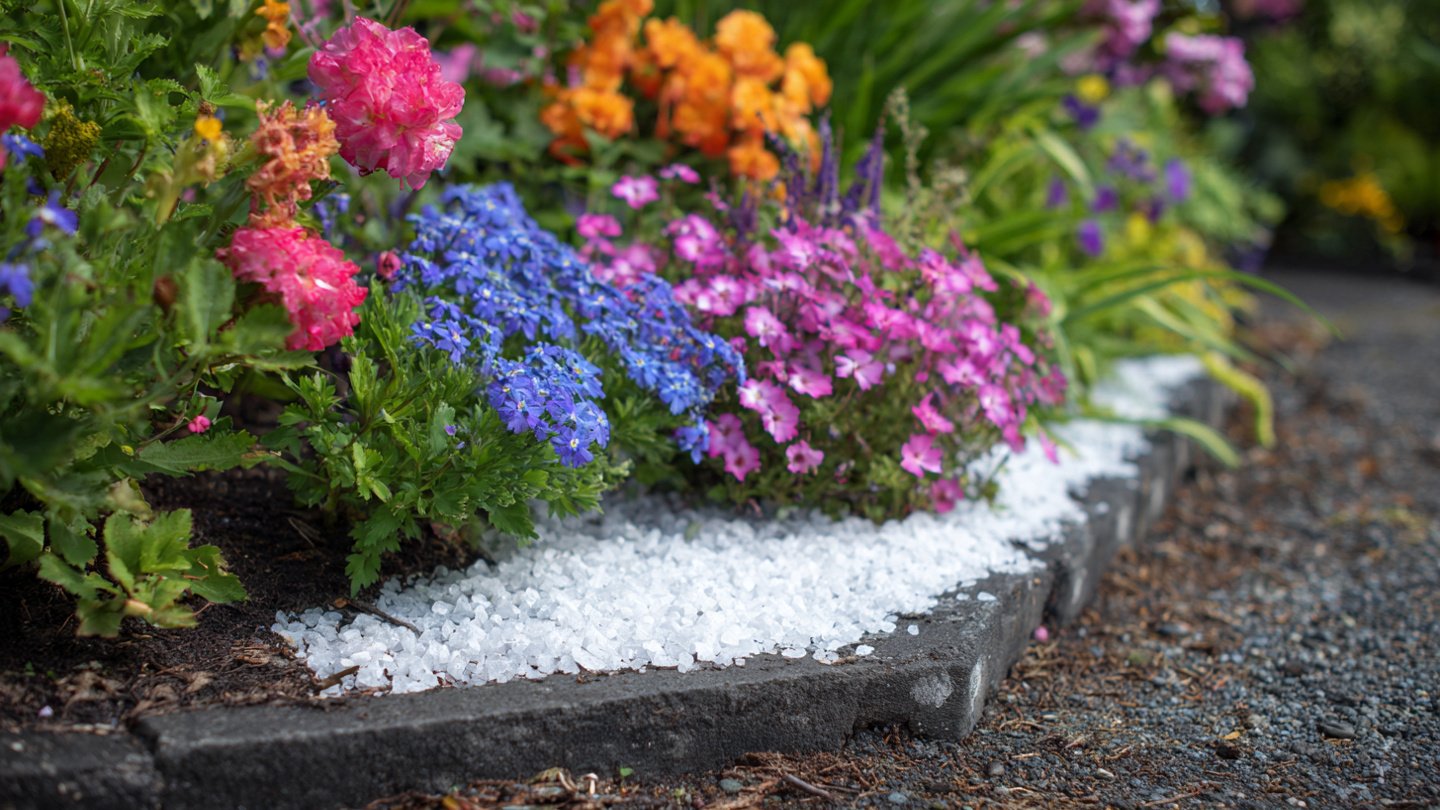
If you are a gardening enthusiast, you might have heard about the multitude of benefits that Epsom salts can offer to your flower beds. Known scientifically as magnesium sulfate, Epsom salts have gained popularity not only for their therapeutic benefits but also for their ability to promote healthy plant growth. This article delves into why you should consider using Epsom salts in your flower beds, focusing on their benefits, methods of application, and some frequently asked questions.
Understanding Epsom Salts
Epsom salts were discovered in a bitter saline spring in Epsom, England, in the 1600s. While they are not technically salts, they are composed of magnesium, sulfur, and oxygen. These elements are essential for several biochemical processes in plants.
When dissolved in water, Epsom salts release magnesium and sulfate ions, making them highly effective for enhancing soil and plant health. Here are a few benefits they provide:
1. Enhanced Nutrient Uptake
One of the primary reasons to incorporate Epsom salts into your flower beds is their ability to enhance nutrient uptake. Magnesium plays a crucial role in photosynthesis, helping chlorophyll formation. When plants have sufficient magnesium, they can absorb other essential nutrients like nitrogen and phosphorus more effectively. This leads to stronger, healthier plants that produce vibrant blooms.
2. Improved Seed Germination
Using Epsom salts can also improve seed germination rates. Magnesium helps seeds break down stored nutrients during germination, providing energy for sprouting. When added to the soil before planting, Epsom salts can give seeds the boost they need to germinate faster and stronger.
3. Natural Fertilizer Alternative
Epsom salts act as a natural fertilizer, providing a source of magnesium that can sometimes be deficient in soils, especially in garden beds. Unlike chemical fertilizers, Epsom salts are environmentally friendly, making them an excellent option for sustainable gardening practices.
4. Enhanced Flower Color and Size
Many gardeners report more vibrant flower colors and larger blossoms when using Epsom salts. The magnesium content supports better chlorophyll production, enriching the color and overall health of flowers. This is particularly noticeable in flowering plants such as roses, tomatoes, and peppers.
5. Pest Resistance
Plants that receive adequate magnesium can become more resistant to pests and diseases. Healthy plants are less susceptible to infestations and can recover more quickly from any damage they do sustain. Using Epsom salts can contribute to an overall stronger garden ecosystem.
6. Better Soil Structure
Regular use of Epsom salts helps improve soil structure. The magnesium content can help improve soil aeration and enhance water retention, ensuring that your flower beds receive the moisture they require without becoming waterlogged. This is vital for preventing root rot and other moisture-related problems.
How to Use Epsom Salts in Your Flower Beds
Now that you understand the various benefits of Epsom salts, let’s discuss how to effectively use them in your flower beds.
1. Pre-Planting Application
Before planting, you can mix Epsom salts into the soil. A general guideline is to use about 1 tablespoon per foot of plant height. If you’re planting seeds, you can sprinkle Epsom salts on the planting area, mixing it into the top few inches of soil.
2. During Planting
When planting, take a small amount of Epsom salts and place it in the planting hole before adding the seed or transplants. This gives the roots an immediate source of magnesium as they establish themselves.
3. Regular Maintenance
For ongoing plant care, dissolve 1-2 tablespoons of Epsom salts in a gallon of water and use it to water your flowers every month. This will replenish the magnesium in the soil, ensuring continuous health and growth.
4. Foliar Spray
You can also create a foliar spray solution with Epsom salts. Mix 1 tablespoon of Epsom salts in a gallon of water and spray it onto the leaves of your plants. This method allows for quick absorption and can be particularly useful for plants showing signs of magnesium deficiency.
Dosage Recommendations
While Epsom salts are beneficial, it’s essential to use them in moderation. Over-application can lead to an imbalance of nutrients. Here are general dosage recommendations:
- For vegetable gardens: 1 tablespoon per foot of plant height.
- For flowering annuals: 1 tablespoon mixed into soil at planting time.
- For established plants: 1-2 tablespoons in a gallon of water monthly.
Potential Risks and Considerations
While Epsom salts have numerous benefits, they should be used judiciously. Here are some considerations:
- Soil Testing: Before using Epsom salts extensively, test your soil to understand nutrient levels. Excessive use may lead to nutrient imbalances.
- Not a Miracle Solution: Epsom salts should complement a holistic approach to gardening, including proper watering, sunlight, and care.
- Consult Local Guidelines: Local soil composition may differ, so consult local agricultural extensions for tailored advice.
Conclusion
Incorporating Epsom salts into your flower beds can significantly enhance plant health and bloom quality. From improving nutrient uptake to boosting flowering color and size, this natural mineral compound provides a range of benefits that can elevate your gardening experience. With easy application methods and the environmentally friendly nature of Epsom salts, they represent a valuable addition to any gardener’s toolkit. Remember to use them wisely, considering the specific needs of your plants and soil conditions for the best results.
FAQs
1. Can I use Epsom salts for all types of flowers?
Yes, Epsom salts can benefit most flowering plants, including roses, tomatoes, and peppers, but consider soil nutrient levels before application.
2. How often should I apply Epsom salts?
You can apply Epsom salts once a month during the growing season for ongoing benefits.
3. Are there any plants that shouldn’t have Epsom salts?
Certain plants like asters and certain common weeds may not benefit from Epsom salts and can be sensitive to excess magnesium.
4. Is there a risk of overusing Epsom salts?
Yes, overuse can lead to nutrient imbalances in the soil. Always follow dosage recommendations and consider conducting a soil test.
5. Do Epsom salts expire?
Epsom salts do not spoil but should be stored in a cool, dry place to prevent clumping or breakdown of quality.