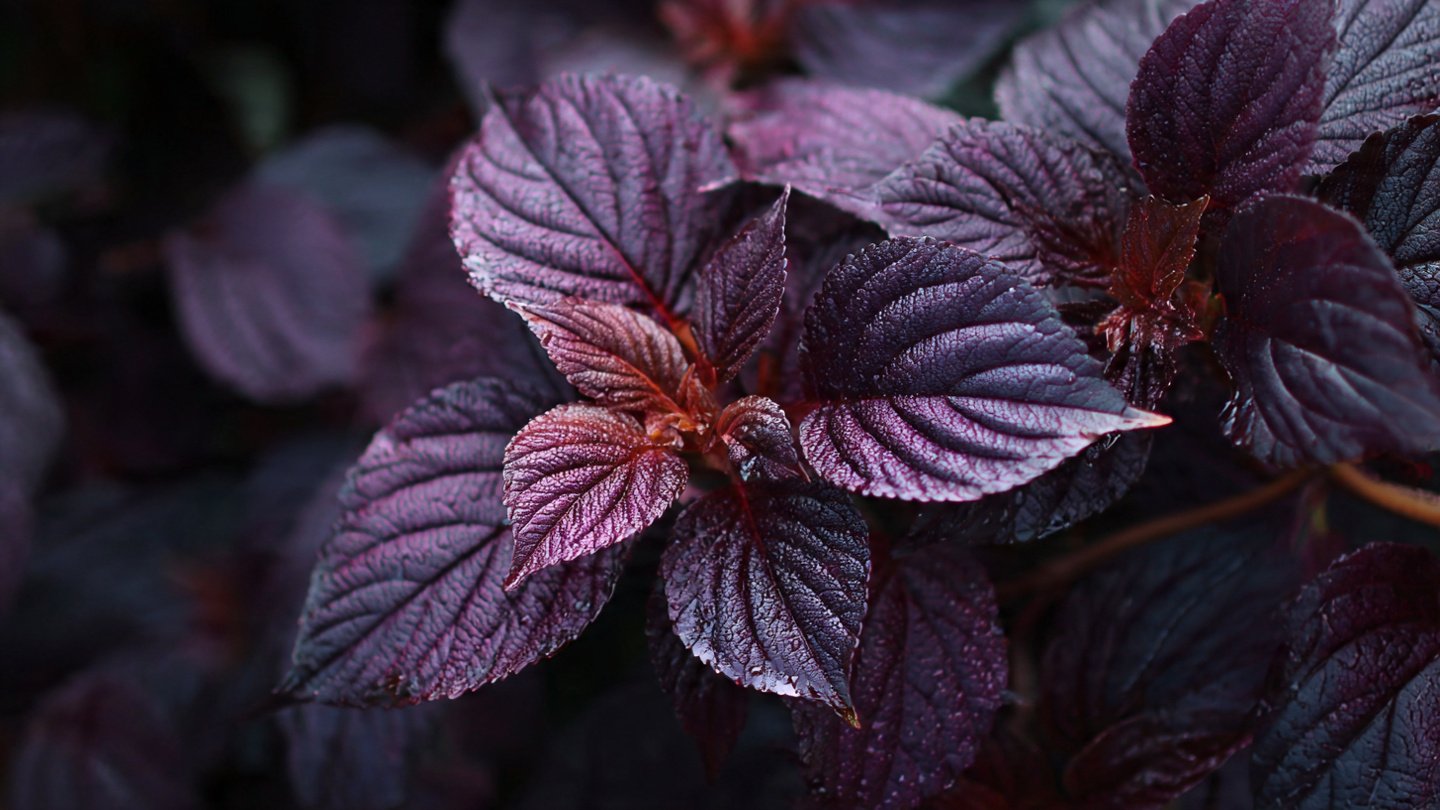
Urban gardening has exploded in popularity in recent years, driven by a mix of sustainability trends, the desire for fresh produce, and a yearning to reconnect with nature amidst concrete jungles. As this movement evolves, one particularly striking trend has emerged: the use of dark purple foliage. This article explores the reasons behind the rising popularity of dark purple leaves in urban gardening, supported by cultural significance, aesthetic appeal, and practical benefits.
The Visual Impact of Dark Purple Foliage
One of the most immediate reasons for the trend is the sheer visual appeal of dark purple plants. These plants create a stunning contrast against the traditional green of most garden foliage. Their deep hues can range from rich eggplants to almost black, making them a striking focal point in any garden space.
Aesthetic Appeal
Purple foliage tends to possess a regal quality and can redefine an entire garden’s aesthetic. Paired with bright-colored flowers or complementary greens, dark purple leaves can add depth and dimension, transforming a mundane garden into a visually captivating space. Urban dwellers often have limited space and seek plants that can maximize impact without overwhelming small areas.
Breaking Monotony
In urban landscapes characterized by grey, concrete structures and dull environments, dark purple foliage provides a refreshing break from the monotonous backdrop. This is especially important in cities where aesthetics can significantly impact mood and well-being. Studies have shown that greenery, particularly notable varieties, can enhance mental health and create a calming atmosphere.
The Psychology of Color
Color psychology plays a crucial role in why people are drawn to dark purple foliage. Purple is often associated with luxury, power, and ambition. The dark shade can evoke feelings of creativity and tranquility, aligning well with the psychological needs of city dwellers often stressed by their fast-paced lives.
Healing Gardens
With the rise of therapeutic and healing gardens in urban settings, dark purple foliage is often utilized in designs aimed at fostering well-being. The calming visual appeal of deep hues can instill a sense of peace, making it an excellent choice for community spaces, hospitals, and residential areas seeking to improve quality of life.
Biodiversity and Varieties
Dark purple foliage is not only about aesthetics; it also offers a wide range of plant varieties that cater to diverse gardening preferences. From ornamental plants like Heuchera to edible varieties like purple basil and purple kale, urban gardeners can experiment with different types of vegetation, enhancing biodiversity in their gardens.
Ornamental Varieties
-
Heuchera (Coral Bells): Known for its colorful foliage, Heuchera boasts a range of purple shades and is often used as a ground cover that requires minimal maintenance.
-
Purple Fountain Grass (Pennisetum setaceum): Ideal for ornamental gardens, this grass variety adds movement and style with its flowing, feathery purple plumes.
-
Ajuga (Bugleweed): This low-growing perennial produces attractive purple leaves and blue flowers, creating a beautiful ground cover, which is particularly effective in shaded areas.
Edible Varieties
In addition to aesthetics, urban gardeners are increasingly interested in sustainability and self-sufficiency. Dark purple edible varieties are emerging as a result, including:
-
Purple Kale (Lacinato Kale): This nutrient-dense leafy green adds both color and health benefits to diets, making it a favorite among urban foodies.
-
Purple Beans: Varieties like the ‘Royalty’ or ‘Purple Queen’ beans not only look appealing but are also packed with antioxidants.
-
Purple Basil: Known for its unique flavor and aroma, purple basil is perfect for culinary gardens, allowing urban gardeners to grow their own herbs in style.
Nutritional Value
In recent years, many urban gardeners have become more health-conscious, leading them to seek out plants with nutritional benefits. Dark purple foliage often signifies a higher concentration of anthocyanins, a type of antioxidant known for its health benefits.
Health Benefits of Anthocyanins
Anthocyanins can support heart health, reduce inflammation, and even enhance cognitive function. As urban dwellers are increasingly concerned about their nutrition—especially in environments inundated with fast food options—growing dark purple plants can be an attractive solution. Not only does it allow for the cultivation of nutrient-rich foods, but it also provides the added bonus of an eye-catching garden.
Sustainable Practices
As urban gardening develops, so too does the focus on sustainability. Dark purple foliage often belongs to plants that require less water, are pest-resistant, or can grow in less-than-ideal soil conditions.
Drought Resistance
Many plants with dark purple foliage are naturally drought-tolerant. This characteristic makes them particularly appealing in urban settings where water restrictions may become increasingly common due to climate change.
Low Maintenance
For many urban gardeners, particularly those with busy lifestyles, ease of maintenance is essential. Dark purple plants often exhibit hardiness, requiring less pruning and care than traditional varieties. This aligns beautifully with the needs of urban dwellers who might not have the time to dedicate to high-maintenance gardens.
Community and Connectivity
Another significant factor driving the trend of dark purple foliage in urban gardening is the sense of community and connectivity it fosters. Gardens have always been spaces for socialization and meetings, and dark purple plants often invite curiosity and conversation.
Community Gardens
Dark purple foliage can serve as an engaging feature that draws people into community gardens. When communities come together to cultivate gardens featuring these striking plants, they increase their sense of belonging and collective responsibility towards greening their environment.
Educational Opportunities
The appeal of purple foliage can also serve as an educational tool. Garden workshops focusing on the diverse benefits of different plant types—including dark purple varieties—can help urban gardeners learn best practices and inspire them to cultivate their knowledge and skills.
Social Media Influence
In today’s digital world, social media plays a significant role in shaping trends. The urban gardening movement has seen a surge of interest fueled by platforms like Instagram and Pinterest. Here, visual trends flourish, and dark purple foliage, with its bold colors, stands out beautifully, leading to increased interest and sharing among gardening enthusiasts.
Influencer Impact
Influencers and gardening enthusiasts often showcase the beauty of dark purple foliage plants on social media. These platforms allow for the rapid dissemination of ideas and trends, encouraging more gardeners to experiment with their own selections.
Hashtag Culture
Hashtags like #PurplePlants or #DarkFoliage have become common, helping gardeners find inspiration and community. This collective sharing of experiences encourages people to try their hand at incorporating these striking plants in their own urban spaces.
Conclusion
The rise of dark purple foliage in urban gardening is a multifaceted phenomenon driven by aesthetic appeal, psychological benefits, nutritional value, sustainability, and community engagement. As gardening continues to evolve, this trend not only contributes to the visual richness of urban landscapes but also enriches the lives of those who participate in this burgeoning movement.
For urban gardeners, dark purple foliage represents a beautiful marriage of style and substance. As cities grow and transform, embracing lush greenery, these plants serve as a critical reminder that nature can thrive even in the most unexpected places. So, whether you’re looking to bring some color to your balcony or cultivate a community garden, consider embracing the allure of dark purple foliage—it just might be the perfect addition to your urban oasis.