Bean plants are beloved for their fast growth and impressive yields, but encountering issues with their health can be disheartening. One common problem that gardeners face is the yellowing of the leaves, which can range from a pale yellow to a more pronounced yellow, indicating that something might be wrong. Understanding the reasons behind this discoloration is essential for successful gardening and can help in taking prompt corrective measures.
One of the primary reasons bean plants turn pale yellow is nutrient deficiency. Nitrogen is a crucial nutrient for the healthy growth of plants, and its lack can swiftly manifest in the form of yellow leaves. Nitrogen is vital for producing chlorophyll, the pigment responsible for the green color in leaves and vital for photosynthesis. When plants lack nitrogen, they struggle to synthesize food effectively, leading to a visible decline in foliage color. A quick solution to this problem is to apply a balanced nitrogen-rich fertilizer to the soil, ensuring that the plant has what it needs for healthy growth.
However, it’s not just nitrogen that matters. Other nutrient deficiencies, such as a lack of potassium or magnesium, can also lead to yellowing leaves. Potassium plays a crucial role in several plant functions, including water regulation and enzyme activation. If potassium is deficient, the leaves may turn yellow, starting from the edges and moving inward. Similarly, magnesium is important for chlorophyll production. A magnesium deficiency often leads to interveinal chlorosis, where the leaf tissue between the veins turns yellow while the veins themselves remain green. An analysis of soil and foliage may be necessary to determine which nutrient is lacking and how best to apply a correction.
Another reason for the yellowing of bean plants might be related to overwatering or poor drainage. Beans prefer well-drained soil that allows for air circulation around the roots. When the roots become waterlogged, they can suffer from oxygen deprivation, which stunts growth and leads to yellowing leaves. One can diagnose this issue by checking the moisture level of the soil; if it feels wet and saturated, it’s likely time to scale back the watering schedule. Improving soil drainage by incorporating organic matter or using raised beds can be beneficial in preventing this issue in the future.
Conversely, underwatering can also cause stress to bean plants, making them unable to take up necessary nutrients effectively. Insufficient water can lead to a range of growth problems, including the yellowing of leaves. To avoid this, beans should be watered consistently, especially during dry periods. A well-managed irrigation schedule, particularly during the flowering and fruiting stages, plays a crucial role in ensuring that the plants receive adequate moisture without becoming waterlogged.
Pests and diseases can also significantly impact the health of bean plants, leading to changes in leaf color. Common pests such as aphids, spider mites, and whiteflies can feed on the sap of the plant, causing leaves to yellow and curl. A close examination of the plant can help identify pests. Insecticidal soaps or organic solutions like neem oil can effectively control pest populations when detected early. Maintaining healthy plants through proper care and monitoring can minimize pest problems and the associated stress that leads to yellowing.
Fungal diseases, such as powdery mildew or rust, can also be a contributing factor to leaf discolored. Powdery mildew appears as a white, powdery substance on leaves, and it can lead to a decline in plant health, causing the leaves to yellow and drop prematurely. Good air circulation and appropriate spacing of plants can help prevent these diseases. If symptoms arise, removing infected leaves and applying appropriate fungicides can help manage the situation.
Environmental factors are another aspect that cannot be ignored. Extreme temperatures, whether too hot or cold, can result in stress for bean plants, leading to yellowing leaves. Beans typically prefer temperatures between 70°F and 85°F (21°C to 29°C). If exposed to unfavorable conditions, the plants might react by showing signs of distress, including leaf discoloration. While there’s little that can be done to control the weather, planting at the right time of the year based on local climate conditions can help mitigate temperature-related issues.
Soil pH is another critical factor that can affect nutrient availability in bean plants. A pH level that is too high or too low can hinder the plant’s ability to absorb essential nutrients, leading to yellow leaves. For most bean varieties, a pH level of 6.0 to 7.0 is optimal. Soil tests can determine the pH of your garden soil, and necessary amendments, such as lime for acidic soil or sulfur for alkaline soil, can help bring the pH into the desired range.
Stress caused by transplanting can also result in yellowing leaves on bean plants. When beans are moved from seedling trays to their final growing location, they often experience shock, which can manifest as yellowing leaves. Providing consistent care through optimal watering and nutrients can help alleviate this shock and promote recovery. Gently handling seedlings during the transplant process and ensuring that they are planted at the correct depth will also help improve their chances of thriving in their new environment.
Age can also play a role in the coloration of bean plants. As plants mature and reach the end of their lifecycle, it’s normal for older leaves to yellow and eventually die off. Rather than being a cause for alarm, this is usually a natural process. If the yellowing is confined to the older, lower leaves and the new growth appears healthy, then it’s likely a typical development rather than a sign of underlying issues.
Companion planting can also have implications for the health of your bean plants. If beans are grown alongside plants that compete for nutrients or attract pests, they might not thrive as well, leading to symptoms such as yellowing. Researching suitable companion plants can help you create a healthier growing environment.
Finally, regular observation and documentation of plant health can help in early diagnosis of problems. By keeping an eye on leaves and overall plant performance, gardeners can catch issues before they escalate into larger problems. Whether it’s through a garden journal or simple checklists, staying informed about the condition of your plants helps in troubleshooting potential problems quickly.
In summary, pale yellow leaves on bean plants can be caused by a number of factors, including nutrient deficiencies, overwatering or underwatering, pest infestations, diseases, environmental stress, and pH imbalances. Understanding these causes is key to effectively managing your garden and ensuring your beans grow strong and healthy. By implementing a balanced care routine, keeping an eye out for pests, and regularly testing soil health, you can promote a flourishing crop of beans, showcasing not only their vibrant green leaves but also their delicious pods. Your gardening efforts will surely pay off when you enjoy the fruits of your labor in the form of delicious homegrown beans.
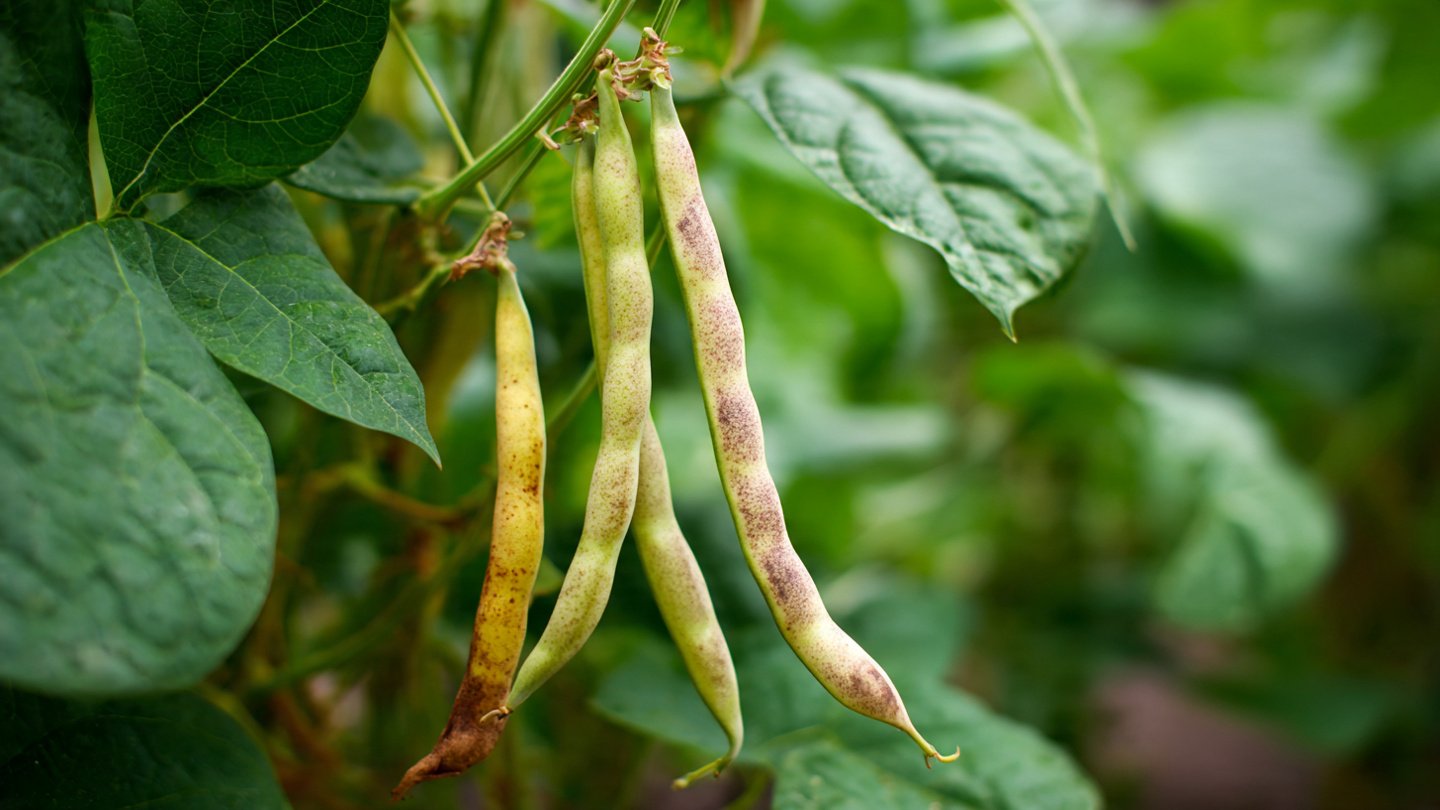
Why Bean Plants Turn Pale Yellow and How to Fix It
Yezdi Roadster 2026 Launched: Smooth Engine, Muscular Cruiser Design, Advanced Features
EPFO Pension New Rules 2026: Salary Limit Changed, Pension Will Increase
2026 Rolls-Royce Motorhome Redefining Ultra-Luxury Road Travel With Timeless Elegance
Motorola New Smartphone With 420MP Camera, 7700mAh Battery at ₹9,900
Motorola Razr 50 Ultra New 5G Foldable Smartphone With Attractive Design, 165Hz Display
Nokia 2660 Flip 4G Beautiful Design Flip Keypad Phone With 12MP Camera at Just ₹2,500
Motorola Unveiled Stunning Design Smartphone With 250MP Camera, 16GB RAM and 95W Superfast Charging
Vivo V50 Lite 5G Smartphone Launched With 3 Days Battery Backup, 6.77-Inch AMOLED Display at ₹19,000
Honor X9c Smartphone With 144Hz Display, 70W Charging and Circle Design Camera
Oppo Premium 5G Smartphone With 250MP Camera and 7800mAh Battery
Infinix 5G Smartphone Launched With 12GB RAM, 200MP Camera and Flagship-Level Design
Tata Nano EV 2026: Affordable Electric Car With 300km Range Starting at ₹3.5 Lakh in India
Day Will Turn Slowly to Night During the Longest Total Solar Eclipse of the Century Across Several Regions
Maruti Suzuki Grand Vitara 2026 With 2.8L Petrol Engine Delivers 37kmpl Mileage and Luxury Features
Galaxy S23 Ultra 5G With 108MP AI Camera and Fabulous Design
Yamaha XSR 155 2026 Launched With Smooth Engine, Neo-Retro Design and Advanced Features
Day Will Slowly Turn to Night as the Longest Total Solar Eclipse of the Century Creates a Rare and Spectacular Event
Known as the Black Gold of Agriculture, Chernozem Soil Helped Turn Ukraine, Russia and Kazakhstan Into Global Breadbaskets
Light Will Disappear for Minutes: Experts Warn an Extraordinary Solar Eclipse Is Approaching
Vivo Y21d Budget-Friendly Smartphone With 6000mAh Battery Launched
Triumph Scrambler 400 X 2026 Launched With Rugged Design, Torque-Rich Engine and Modern Features
Oppo A6 Pro Smartphone With 50MP Dual Camera and 256GB Storage
Tecno Pova Slim 5G Smartphone With 6.78-Inch 3D Curved Display at ₹17,000
New Maruti Brezza 2026 Stylish Compact SUV With 35 km/l Mileage, Luxury Features and Smart Tech
Age Pension Update 2026: $1,179 Increase Announced – Who Qualifies
Realme Narzo 90 Smartphone With Sleek Design and 7000mAh Battery
Vivo New Phone With 300MP Camera and 7600mAh Battery at ₹9,600
Poco M7 Plus 5G With Snapdragon Processor and 144Hz Display at Just ₹10,000
OnePlus Nord CE 5 5G Smartphone With 80W SuperVOOC Charging and 256GB Storage at ₹20,000
Redmi New 5G Phone Launched in India With 108MP Camera and Curved AMOLED Screen