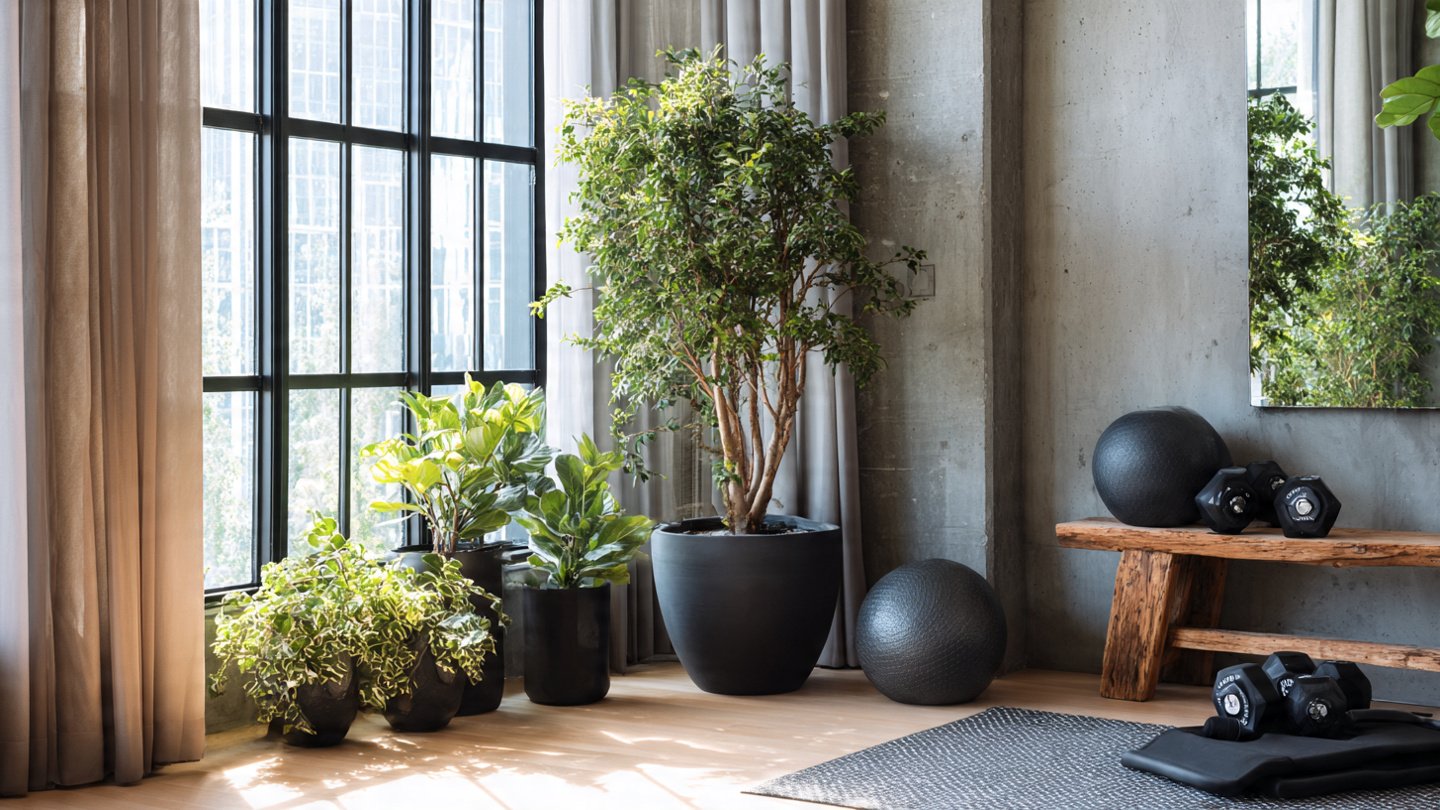
Creating a comfortable and inviting atmosphere in your home gym is crucial for maintaining motivation and ensuring a pleasant workout experience. Among the various factors that contribute to a healthy workout environment, air quality is paramount. Poor indoor air quality can lead to fatigue, diminished performance, and even respiratory issues. Fortunately, there are several plants known for their air-purifying abilities that can help transform your home gym into a cleaner, fresher space. This article explores the best plants to enhance your gym’s air quality, the science behind their benefits, and how to incorporate them into your workout environment.
The Importance of Air Quality in Your Home Gym
Air quality affects not just your physical health but also your mental well-being. When you exercise, your body needs adequate oxygen levels and a clean environment. Plants contribute to improving air quality in the following ways:
- Carbon Dioxide Absorption: Plants absorb carbon dioxide and release oxygen, enhancing the indoor air environment.
- Pollutant Removal: Many plants can filter harmful indoor pollutants, including formaldehyde, benzene, and xylene.
- Humidity Regulation: Plants can help maintain ideal humidity levels, reducing dryness in the air.
- Stress Reduction: Being around greenery is known to promote relaxation and reduce stress levels, contributing to a more enjoyable workout.
Top Air-Purifying Plants for Your Home Gym
Here are some of the best plants to consider for enhancing air quality in your home gym:
1. Snake Plant (Sansevieria)
Also known as mother-in-law’s tongue, the snake plant is resilient and easy to care for. It effectively filters toxins and releases oxygen, especially at night, making it an ideal addition to any room.
2. Spider Plant (Chlorophytum comosum)
The spider plant is renowned for its ability to remove pollutants like formaldehyde and xylene. Its arching leaves create a lively aesthetic, making it a beautiful choice for your gym.
3. Peace Lily (Spathiphyllum)
The peace lily is not only beautiful but also very effective at filtering indoor air pollutants. It thrives in low light, making it suitable for gyms with limited natural light. However, it’s worth noting that the peace lily is toxic if ingested, so keep it out of reach of pets and small children.
4. Boston Fern (Nephrolepis exaltata)
This plant excels at removing formaldehyde and other harmful chemicals. The Boston fern prefers a humid environment, so it may need occasional misting or a humidifier, especially in colder months.
5. Aloe Vera
Aloe vera is not just a popular medicinal plant; it also acts as a natural air purifier. It’s low-maintenance and thrives in bright, indirect sunlight, making it a perfect addition to your gym setup.
6. Rubber Plant (Ficus elastica)
The rubber plant is excellent at removing toxins from the air and has the added benefit of being aesthetically pleasing. It prefers bright, indirect light but can adapt to lower light conditions, making it versatile for your gym.
7. Bamboo Palm (Chamaedorea seifrizii)
A favorite among indoor plant enthusiasts, the bamboo palm is great for filtering out benzene and formaldehyde. Its tropical vibe can also create a calming atmosphere in your gym.
How to Care for Your Indoor Plants
Understanding how to care for your chosen air-purifying plants is essential for maintaining a healthy gym environment:
- Light: Ensure plants receive the appropriate amount of light, whether natural or artificial.
- Water: Establish a watering schedule, but be careful not to overwater, as this can lead to root rot.
- Humidity: Some plants prefer higher humidity levels, which can often be achieved through regular misting or placing a humidifier nearby.
- Soil: Use well-draining soil and repot your plants as needed to prevent them from becoming root-bound.
- Pests: Keep an eye out for any signs of pests or diseases and treat them promptly.
Designing Your Home Gym with Plants
Incorporating plants into your home gym design can enhance both aesthetics and functionality. Here are some tips:
- Placement: Position larger plants in corners or behind equipment to create a soft backdrop, while smaller plants can be placed on shelves, window sills, or even hung in macramé hangers.
- Grouping: Consider grouping plants with similar light and water needs together for easier maintenance.
- Creative Containers: Use visually appealing pots that complement your gym’s decor for added style.
Conclusion
Transforming your home gym’s air quality is straightforward and beneficial through the incorporation of indoor plants. Not only do they enhance the aesthetics of your workout space, but they also create a healthier environment by filtering out toxins and improving air quality. From the hardy snake plant to the elegant peace lily, there’s a variety of options to suit any preference and light conditions. By choosing the right plants and giving them proper care, you can create a vibrant and healthier workout experience that encourages motivation and well-being. Start your indoor garden today, and breathe easier as you exercise!
FAQs
1. How many plants do I need to improve air quality?
The number of plants required depends on the size of your gym and the type of plants you choose. A good rule of thumb is to have at least one plant for every 100 square feet of space.
2. Can I keep plants in a gym with high humidity?
Yes, many plants thrive in higher humidity levels. Choose plants like ferns or peace lilies, which prefer moisture, but ensure proper ventilation to prevent mold growth.
3. Are any of these plants toxic to pets?
Yes, some plants like the peace lily and rubber plant can be toxic to pets. Always research and choose pet-friendly options if you have animals in your home.
4. How often should I water my gym plants?
Watering frequency varies by plant type and environmental conditions. Generally, it’s best to check the soil moisture; water when the top inch feels dry.
5. Can I use artificial plants instead?
While artificial plants can enhance aesthetics without the need for maintenance, they do not purify air. If air quality is your priority, opt for real plants that have proven air-purifying capabilities.