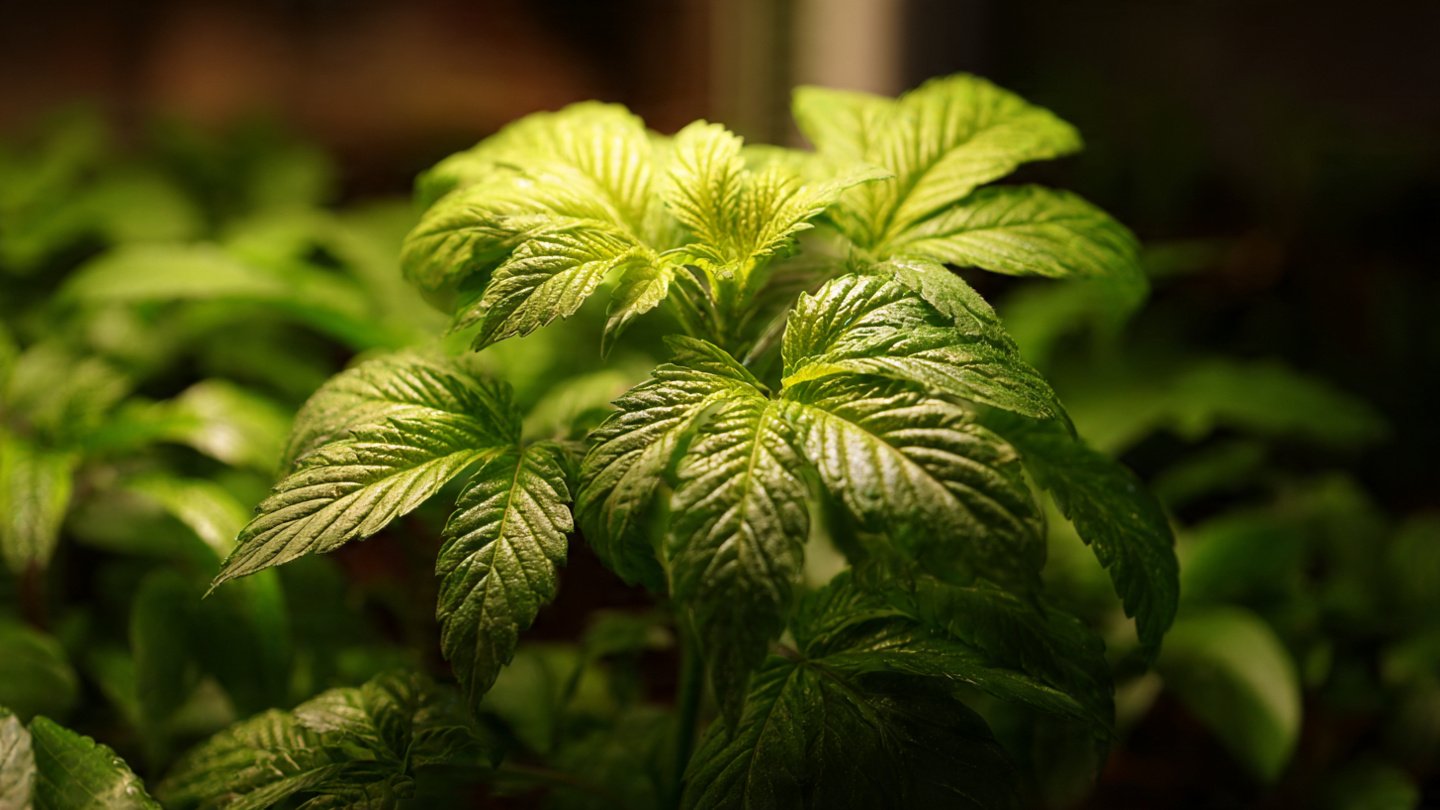
The quest for growing lush green plants in dimly lit environments can be challenging, yet incredibly rewarding. Many plant enthusiasts desire vibrant greenery in their homes or offices, but low-light conditions often present a barrier. Fortunately, understanding the right strategies and selecting suitable plant varieties can lead to thriving foliage even in shaded areas. In this article, we will delve into the dynamics of plant growth in low-light scenarios, factors affecting development, and effective methods to nurture lush leaves.
Understanding Plant Growth in Low Light
Plants require light to perform photosynthesis, the process through which they convert sunlight into energy. However, not all plants have the same light requirements. The amount of light a plant needs can vary significantly depending on its species. Some plants thrive in bright, direct light, while others can adapt to low-light conditions and continue to grow successfully.
The primary driver of plant growth is light intensity, but its quality and duration are equally important. Low-light environments tend to limit a plant’s growth potential, but many varieties have evolved to survive—and even flourish—in these settings.
Factors Affecting Growth in Dim Environments
Several factors influence how well plants grow in low-light conditions. These include:
- Plant Species: Selecting the right species is crucial. Some plants are naturally adapted to low light, such as ferns, snake plants, and pothos.
- Light Quality: The spectrum of light affects photomorphogenesis, which includes leaf shape and growth patterns. While natural light is ideal, artificial light sources can supplement growth.
- Soil Quality: The right soil mix ensures that plants receive the necessary nutrients and proper drainage to grow healthy foliage.
- Humidity and Temperature: Low-light conditions often correlate with higher humidity and stable temperatures, both of which can benefit certain plants.
- Watering Practices: Overwatering can be detrimental in low-light conditions, as plants may not uptake water as efficiently.
Choosing the Right Plants for Low-Light Conditions
When selecting plants for dimly lit areas, it’s essential to opt for varieties known for their low-light tolerance. Here are some of the best options:
- Snake Plant (Sansevieria): Extremely resilient, it thrives in low light and is also tolerant of neglect.
- Pothos (Epipremnum aureum): Known for its trailing vines, it adapts well to dim conditions while being easy to propagate.
- ZZ Plant (Zamioculcas zamiifolia): With its waxy leaves, it tolerates low light and infrequent watering.
- Peace Lily (Spathiphyllum): Beyond its beautiful white blooms, it is an amazing air purifier and thrives in low light.
- Chinese Evergreen (Aglaonema): This plant is not only stunning but also renowned for its ability to adapt to lower light levels.
Providing Adequate Light
Even low-light plants require some degree of light. Here are some ways to enhance light in dim environments:
- Use Artificial Lighting: Grow lights with the right spectrum can significantly boost plant growth. LED grow lights are energy-efficient and provide optimal wavelengths for photosynthesis.
- Positioning: Place plants near windows or using reflective surfaces can help increase light availability.
- Rotate Regularly: Rotating plants can expose all sides to available light, promoting even growth.
Soil and Nutrient Considerations
Choosing the right soil mix is quintessential for nurturing lush leaves in dim conditions. A well-aerated, well-draining soil with a balanced pH is essential. Additionally:
- Use Organic Fertilizers: Nutrient-rich organic fertilizers can support plant growth. However, it’s crucial to follow recommended dosage to avoid nutrient burn.
- Soil Amendments: Adding perlite or vermiculite can improve drainage and aeration in the soil, promoting healthier root systems.
Watering Practices for Low-Light Plants
Watering can be tricky in low-light conditions. Here are tips to ensure optimal hydration:
- Check Soil Moisture: Always check the top inch of soil before watering to prevent overwatering. Low-light plants generally require less frequent watering.
- Use Proper Drainage: Ensure that pots have drainage holes; stagnant water can lead to root rot.
- Humidity Considerations: Many low-light plants benefit from higher humidity levels. Misting or using a humidity tray can help maintain moisture in the air.
Common Mistakes to Avoid
Even with the best intentions, plant care can lead to common pitfalls:
- Overwatering: This is one of the most prevalent issues. Always assess soil dryness before watering.
- Insufficient Light: While selecting low-light plants, ensure they still receive adequate light—albeit indirect—over time.
- Ignoring Disease: Monitor plants for signs of pests or disease, as lower light can sometimes mask underlying issues.
Conclusion
Creating a lush, green environment in low-light conditions is achievable with the right knowledge and techniques. By selecting the appropriate plants, understanding their unique needs, and providing supportive care, anyone can foster vibrant foliage—even in dim spaces. Whether you’re attempting to beautify your home or office, these guidelines will help you unlock the mystery of growing lush leaves in the shadows. Embrace the journey of nurturing plants and enjoy the benefits they bring to your indoor atmosphere.
FAQs
1. Can any plant survive in low light?
No, not all plants can thrive in low-light conditions. It’s important to choose species that are specifically adapted to lower light levels.
2. How often should I fertilize low-light plants?
Generally, low-light plants need less frequent fertilization—about every 4 to 6 weeks during the growing season should suffice.
3. What type of light is best for low-light plants?
Indirect sunlight or artificial grow lights with a full spectrum are ideal for low-light plants.
4. Can low-light plants grow in artificial light alone?
Yes, low-light plants can thrive under artificial light, especially if it mimics natural sunlight well.
5. How do I know if my low-light plant is getting too much light?
Signs of too much light include scorched or bleached leaves. Monitor your plants closely and adjust their positioning as needed.