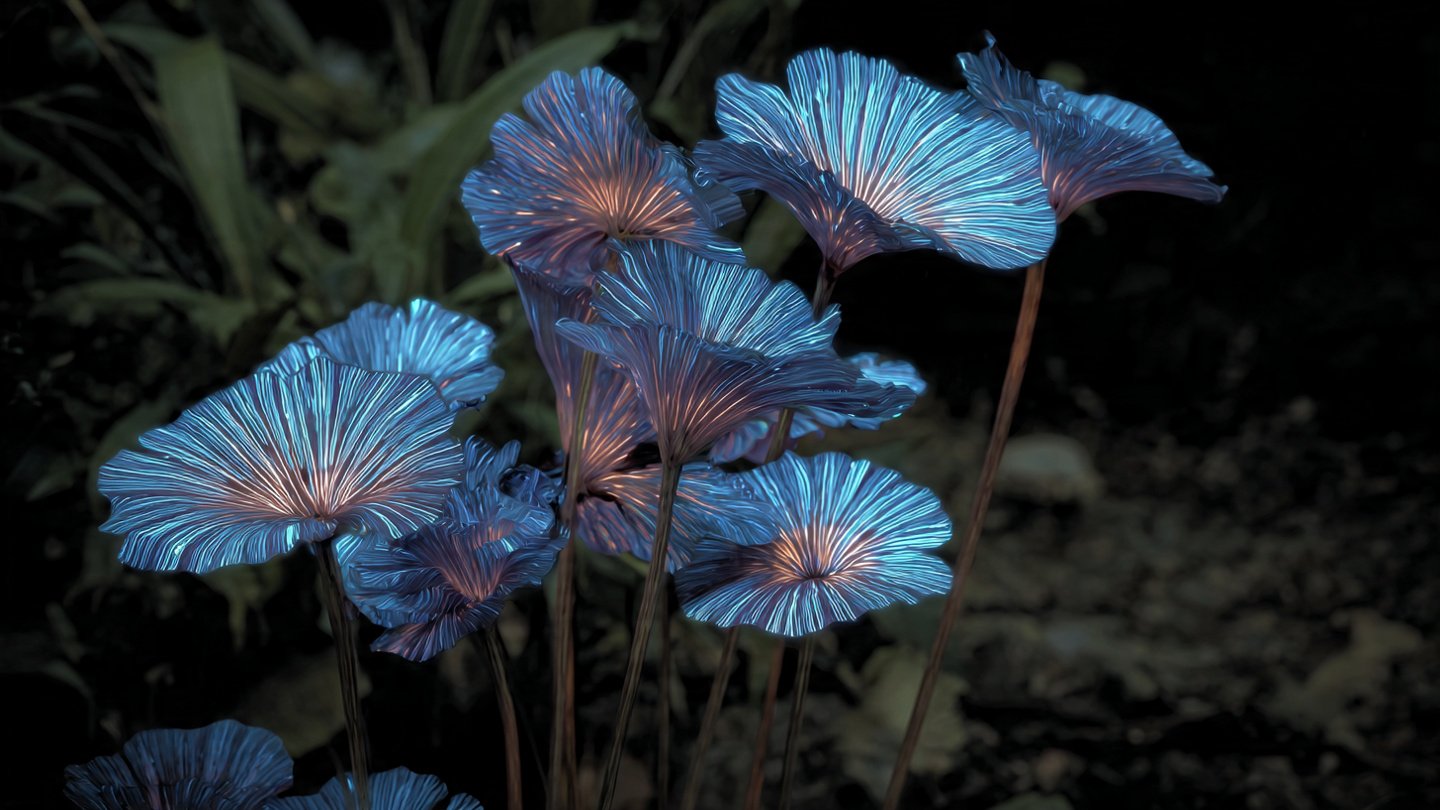
Gardening has been a cherished activity for centuries, offering both aesthetic pleasure and a means of connecting with nature. As technology advances, so too does the potential for innovation in gardening practices. One of the most exciting developments on the horizon is the advent of bioluminescent flowers. These genetically modified organisms emit natural light, presenting an array of implications for the future of gardening. In this article, we’ll explore the potential transformations bioluminescent flowers may bring to gardening, their environmental impact, aesthetic appeal, and the challenges that lie ahead.
The Science of Bioluminescence
Bioluminescence is the production and emission of light by living organisms. This phenomenon occurs in various species including fireflies, certain fungi, and deep-sea creatures. The light produced is typically a result of a biochemical reaction involving luciferin, a light-emitting compound, and luciferase, an enzyme. Scientists have harnessed this natural process to engineer plants that emit light, resulting in captivating flowers that glow in the dark.
The journey to creating these bioluminescent flowers involves an intricate process of genetic modification. Gene editing technologies, such as CRISPR, allow for precise alterations to the plant’s DNA, enabling it to produce the necessary proteins for bioluminescence. Through this process, researchers can design flowers that not only illuminate but also retain their natural beauty and ecological function.
Aesthetic Appeal in Gardening
One of the most evident benefits of bioluminescent flowers is their captivating aesthetic appeal. Imagine a garden illuminated by soft, ethereal glows at night. These flowers could serve as focal points in landscape design, drawing attention to particular areas of the garden. Plant enthusiasts could create stunning nighttime displays, transforming typical gardening into a multisensory experience.
Beyond mere attractiveness, bioluminescent flowers could also enhance mood and ambience. Scientific studies indicate that exposure to natural light can improve mental health and well-being. By integrating glowing flora into home gardens or urban landscapes, individuals may experience heightened feelings of tranquility and connection with nature, particularly in nighttime environments.
Practical Applications and Benefits
Bioluminescent flowers promise more than just visual delight; they may also offer practical applications. One potential use is in urban areas where conventional lighting can be invasive and expensive. By utilizing bioluminescent plants, city planners can create naturally illuminated pathways and parks that promote safety and sustainability. This would reduce energy consumption and contribute to environmentally-friendly urban development.
Furthermore, these flowers could serve as indicators of environmental health. For example, engineered plants could glow in response to pollutants or changes in soil quality. This bioluminescent response would allow gardeners and scientists alike to monitor ecological conditions, offering an innovative approach to environmental conservation.
Challenges and Considerations
Despite the excitement surrounding bioluminescent flowers, several challenges must be addressed. First and foremost is the ethical consideration of genetically modifying organisms. The public’s perception of genetically modified organisms (GMOs) varies, and any introduction of bioluminescent flowers will require extensive public education and regulatory measures to ensure safety and acceptance.
Moreover, there are potential ecological impacts to consider. Introducing genetically modified plants into natural ecosystems could have unforeseen consequences. Ecologists will need to conduct thorough research to evaluate the long-term effects of these flowers on local flora and fauna.
The Future of Bioluminescent Plants in Gardening
As we look towards the future, bioluminescent flowers could redefine horticulture and gardening. They offer an innovative merging of technology and nature, providing artists and gardeners with a new medium for creative expression. Universities and research institutions are increasingly focusing on developing bioluminescent species, suggesting that this may soon become a reality in home gardens worldwide.
Additionally, as the global population continues to rise, urban spaces are becoming more crowded. Bioluminescent flowers could provide an engaging way to transform these environments into vibrant, sustainable, and livable spaces. By reducing our reliance on artificial lighting and making positive contributions to urban ecology, these flowers present an opportunity for future generations to engage with their surroundings in a new way.
Conclusion
The emergence of bioluminescent flowers represents an exciting frontier in the world of gardening. With their unique visual appeal and practical applications, these glowing blooms may transform how we think about landscaping, urban design, and environmental monitoring. While challenges remain in terms of ethics and ecology, the potential benefits of bioluminescent flowers are immense. As technology advances and research progresses, we may soon find ourselves cultivating illuminated gardens that contribute both beauty and functionality to our lives.
FAQs
1. What are bioluminescent flowers?
Bioluminescent flowers are genetically modified plants that emit light through a natural biochemical process. They are engineered to produce proteins that enable this glowing effect.
2. How are bioluminescent flowers created?
These flowers are created using genetic modification techniques, such as CRISPR, which allow scientists to alter the plant’s DNA and make it capable of producing light-emitting compounds.
3. What are the practical uses of bioluminescent flowers?
They can serve as natural lighting in urban environments, indicators of soil health, and components of creative landscaping that enhance mood and ambience.
4. Are there any ethical concerns regarding bioluminescent flowers?
Yes, genetic modification raises ethical questions about safety, environmental impact, and public acceptance. Thorough research and public education are essential for their successful introduction.
5. How might bioluminescent flowers impact gardening in the future?
They could introduce new aesthetics, promote sustainable practices, enhance urban landscapes, and offer innovative ways to monitor environmental health.