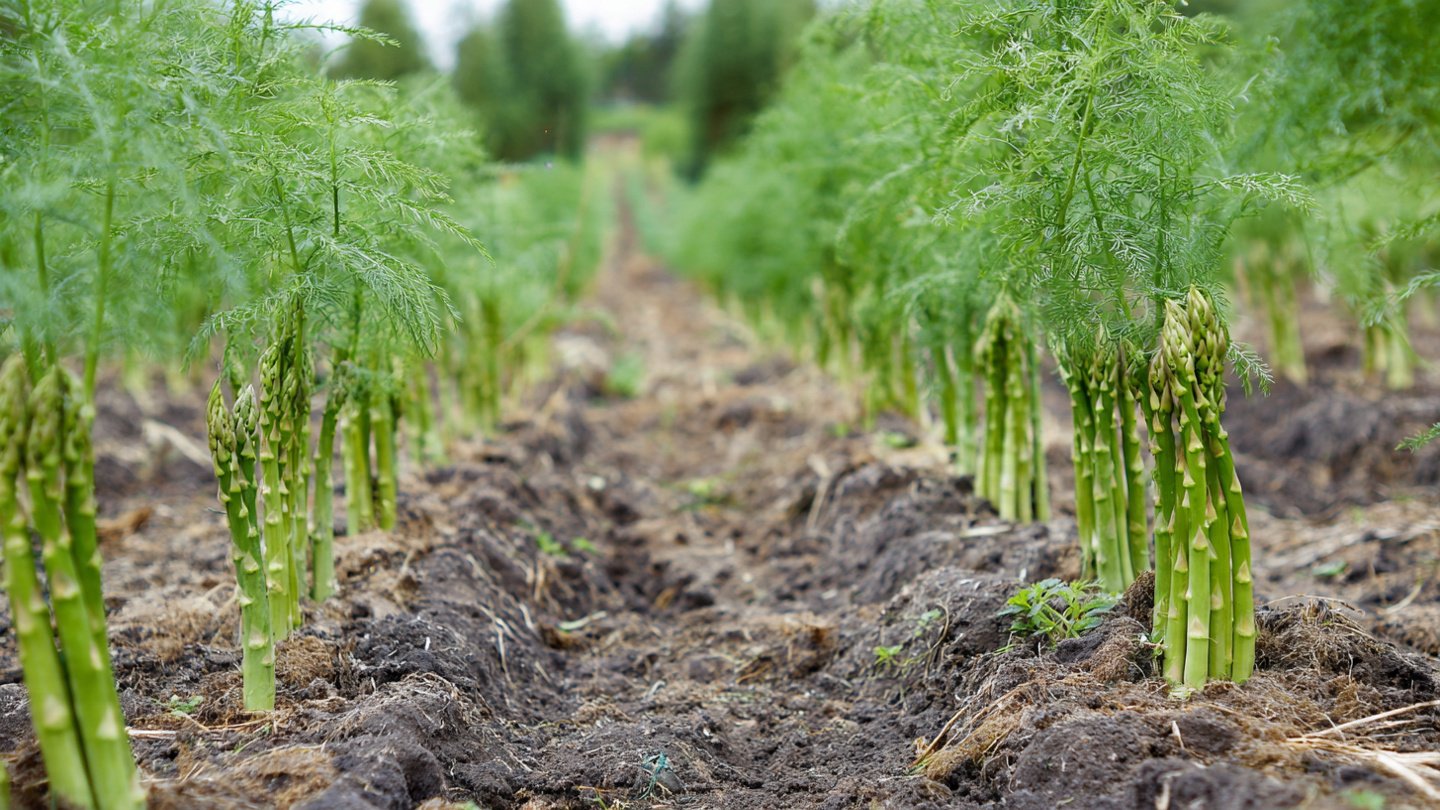
Asparagus is a perennial vegetable known for its tender shoots and exquisite flavor. Unlike many other crops, asparagus has a unique ability to thrive for decades, often lasting over 30 years when properly cared for. This guide provides comprehensive steps for growing asparagus successfully, ensuring bountiful harvests for years to come.
Understanding Asparagus
Asparagus (Asparagus officinalis) is native to Europe, northern Africa, and western Asia. It’s a member of the lily family and grows well in various climates. Growing asparagus requires patience and the right conditions, as it takes a few years before the plants produce harvestable spears. However, once established, they can be harvested annually for decades.
Choosing the Right Variety
Different varieties of asparagus offer unique flavors and growth characteristics. Some popular varieties to consider include:
- Mary Washington: Known for its high yield and adaptability.
- Jersey Knight: Resistant to disease and produces thick spears.
- Purple Passion: Notable for its sweet flavor and vibrant color.
Selecting a variety suitable for your climate and soil conditions is essential for long-term growth and productivity.
Preparing the Site
Asparagus thrives in well-drained, sandy soils rich in organic matter. When preparing to grow asparagus, follow these guidelines:
- Location: Choose a sunny spot that receives at least 6-8 hours of sunlight daily.
- Soil: Conduct a soil test to check pH levels. Asparagus prefers a pH between 7.0 and 8.0. Amend the soil with lime if necessary.
- Drainage: Ensure the area has good drainage to prevent root rot. Raised beds are often beneficial.
Planting Asparagus
When to Plant
Asparagus is typically planted in early spring, as soon as the ground can be worked, or in fall in milder climates.
Planting Methods
There are two main ways to plant asparagus:
- Seeds: Growing asparagus from seeds is a cost-effective method, but it requires patience and an extra year before harvesting. Soak seeds in water for 24 hours before planting.
- Crowns: Planting 1-year-old crowns is faster, allowing for quicker harvest. Crowns should be buried about 6-8 inches deep with the roots spread out.
Spacing
When planting, space crowns about 18 inches apart in rows that are 3-4 feet apart. This allows for adequate air circulation and ease of harvest.
Caring for Your Asparagus Plants
Proper care is crucial to ensure your asparagus plants thrive for many years. Here are the main care practices:
Watering
Asparagus requires consistent moisture, especially during the first few growing seasons. Aim to provide about 1-2 inches of water per week, depending on rainfall. Avoid overwatering, as soggy soil can harm the roots.
Fertilizing
In the early spring, before new growth begins, apply a balanced fertilizer or compost to provide essential nutrients. Fertilization can enhance growth and production. A soil test can help determine specific nutrient needs.
Weeding
Weeds can compete with asparagus for nutrients and water. Keep the area around the plants free of weeds, especially during the first two years, until the asparagus is well-established. Mulching can help suppress weed growth.
Pest and Disease Management
Asparagus is generally pest-resistant, but it’s crucial to monitor for signs of asparagus beetles and rust. Natural predators like ladybugs can help control pests. If necessary, organic pesticides may be applied following package instructions.
Harvesting Asparagus
Asparagus should not be harvested in the first year after planting if grown from crowns and second year if grown from seeds. This allows the plants to develop a strong root system. By the third year, you can begin harvesting spears when they are about 6-8 inches tall.
Harvesting Technique
Use a sharp knife to cut the spears just above the soil line. Grasp the spear and gently bend it; it will naturally snap at the right point. Continuous harvesting will encourage new growth.
Harvesting Season
The harvest season for asparagus typically lasts 6-8 weeks. Once the spears begin to thin out and the tips are no longer tight, it’s a sign to stop harvesting so the plants can store energy for future growth.
Maintaining Your Asparagus Bed
After the harvest, let the remaining foliage grow. This allows photosynthesis to take place, replenishing nutrients in the roots for the following year. In the fall, once the fronds turn yellow, cut them back to ground level to prevent disease.
Extending the Life of Your Asparagus Bed
To prolong the life of your asparagus bed, consider the following:
- Mulching: Use organic mulch to retain soil moisture and suppress weeds.
- Crop Rotation: Rotate with other crops every few years to prevent nutrient depletion and pest buildup.
- Regular Maintenance: Keep an eye out for any pests or diseases and take action quickly to protect your plants.
Conclusion
Growing asparagus is a rewarding endeavor that can provide delicious harvests for years, if not decades. By following the proper planting, care, and maintenance practices outlined in this guide, you can establish a flourishing asparagus bed that lasts over 30 years. With patience and commitment, this perennial vegetable can become a staple in your garden, offering both nutritional benefits and culinary delights.
FAQs
1. How long does it take for asparagus to produce harvestable spears?
Asparagus typically takes 2-3 years to produce harvestable spears when grown from crowns and 3-4 years from seeds.
2. Can asparagus be grown in containers?
Yes, asparagus can be successfully grown in large containers, provided they have adequate drainage and enough space for root development.
3. What is the best time to fertilize asparagus?
Spring is the best time to fertilize asparagus, just before the new growth begins.
4. How should I store harvested asparagus?
Store fresh asparagus in the refrigerator wrapped in a damp paper towel or upright in a jar with water, similar to a bouquet of flowers. Consume within a week for the best flavor.
5. How often should I water asparagus?
Water asparagus about 1-2 inches per week, adjusting based on weather conditions. Ensure the soil remains moist but not waterlogged.