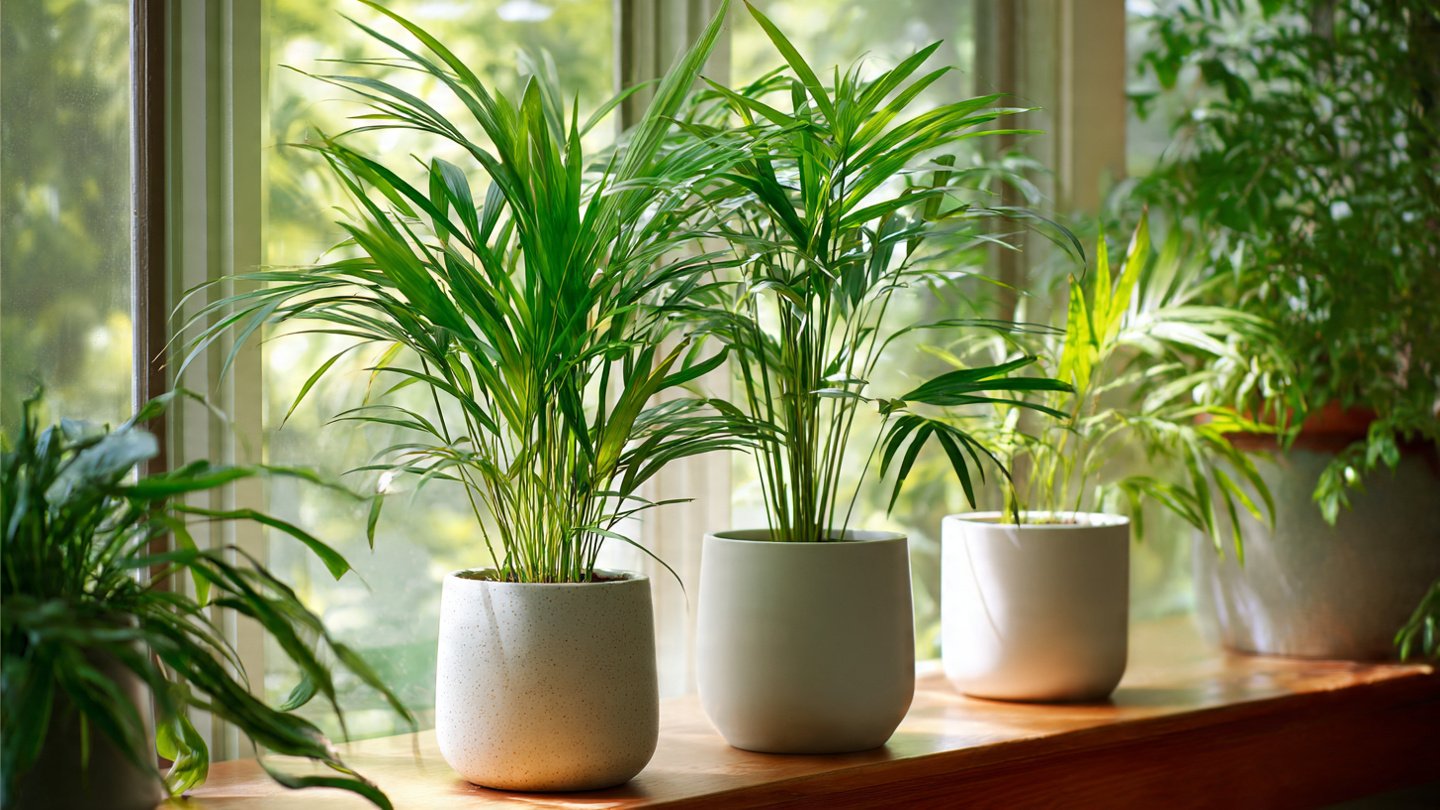
Indoor plants bring life and color to our homes, enhancing our spaces with their beauty and improving air quality. While many gardening enthusiasts buy expensive fertilizers and plant foods, an age-old tradition offers a simple and cost-effective alternative: rice water. Rice water is the starchy water that remains after soaking or boiling rice. This nutrient-rich liquid has been used for centuries in various cultures for its health benefits, not only for humans but also for plants. In this article, we will explore how rice water can transform the health of your indoor plants.
What is Rice Water?
Rice water is the liquid left behind after cooking or soaking rice. It is known to be rich in vitamins and minerals, including nitrogen, phosphorus, potassium, and various B vitamins that can significantly benefit plant growth. The nutrients in rice water support various plant processes, from growth and flowering to overall health.
Benefits of Rice Water for Indoor Plants
1. Nutrient-Rich Fertilizer
One of the most significant advantages of using rice water as a fertilizer is its rich nutrient profile. The starchy water provides essential nutrients that enhance plant growth, including:
- Nitrogen: Promotes leaf growth and overall plant health.
- Phosphorus: Encourages root development and flowering.
- Potassium: Aids in overall plant function and stress resistance.
2. Promotes Healthy Root Development
Rice water contains an abundance of vitamins and minerals that can stimulate root development. Healthy roots are crucial for the growth and stability of your plants. By using rice water, you encourage your plants to establish a strong root system, enabling them to absorb nutrients and water more efficiently.
3. Strengthens Plant Immunity
The nutrients and beneficial compounds found in rice water can enhance your plants’ immune systems, making them less susceptible to diseases and pests. This natural resilience helps your indoor plants thrive in various conditions while minimizing the need for chemical pesticides.
4. Balances Soil pH
When used responsibly, rice water can help balance the pH levels in your potting mix. Most houseplants prefer a slightly acidic to neutral pH range (around 6-7). Rice water can gently lower the pH of the soil, making it more hospitable for many indoor plants.
5. Environmental Sustainability
Utilizing rice water is not just beneficial to your plants; it’s also an eco-friendly practice. By reusing a product that would otherwise be discarded, you reduce food waste while providing a natural fertilizer for your indoor plants. This aligns perfectly with sustainable living practices.
How to Use Rice Water for Indoor Plants
1. Collecting Rice Water
There are two primary methods to collect rice water:
- Soaking Method: Rinse 1 cup of rice under cold water and then soak it in 2-3 cups of water for 30 minutes to an hour. Stir the water to release the nutrients from the rice. Strain the rice, and the remaining water is your rice water.
- Boiling Method: Boil 1 cup of rice in 4 cups of water. Once the rice is cooked, strain the rice and collect the water. Allow it to cool before using it for your plants.
2. Dilution
Before applying rice water, it is advisable to dilute it with one part water to one part rice water. This ensures that your plants receive the nutrients without the risk of over-fertilization, which can harm them.
3. Application Method
Pour the diluted rice water directly onto the soil around the base of your plants. Avoid over-saturating the soil, as excessive moisture can lead to root rot. Use rice water in combination with your regular watering schedule, applying it every 2-4 weeks.
4. Storage and Shelf Life
Rice water can be stored in the refrigerator for up to a week. If you notice any unpleasant odors or changes in color, it’s best to discard it and prepare a fresh batch. Always use rice water within a week to ensure its effectiveness.
Potential Downsides of Rice Water
While rice water has numerous benefits, there are a few considerations to keep in mind:
- Over-Fertilization: Like any fertilizer, using too much rice water can lead to over-fertilization, which may damage your plants.
- Not Suitable for All Plants: While many indoor plants thrive on rice water, some may not respond positively to it. Test it on a small section of the plant first before widespread application.
Conclusion
Rice water is a simple yet powerful solution to boost the health and growth of your indoor plants. From providing essential nutrients and promoting root development to enhancing plant immunity, its benefits are plentiful. If you’re looking for an eco-friendly, sustainable way to care for your plants, consider incorporating rice water into your routine. With proper collection, application, and care, you can nurture your indoor garden and create a flourishing environment for your beloved plants.
FAQs
1. Is rice water safe for all types of indoor plants?
While most indoor plants will benefit from rice water, it’s best to test it on a small portion of the plant first. Some delicate plants may be more sensitive.
2. How often should I use rice water on my indoor plants?
It is recommended to apply rice water every 2-4 weeks in combination with your regular watering routine.
3. Can I use rice water for outdoor plants as well?
Yes, rice water can be used for outdoor plants as long as you assess their sensitivity and ensure proper dilution.
4. Can I store leftover rice water?
Yes, you can store rice water in the refrigerator for up to one week. Be sure to check for any bad odor or changes before using it.
5. What are the signs of over-fertilization when using rice water?
Signs include yellowing leaves, wilting, and root rot. If you notice these issues, reduce the frequency of application.