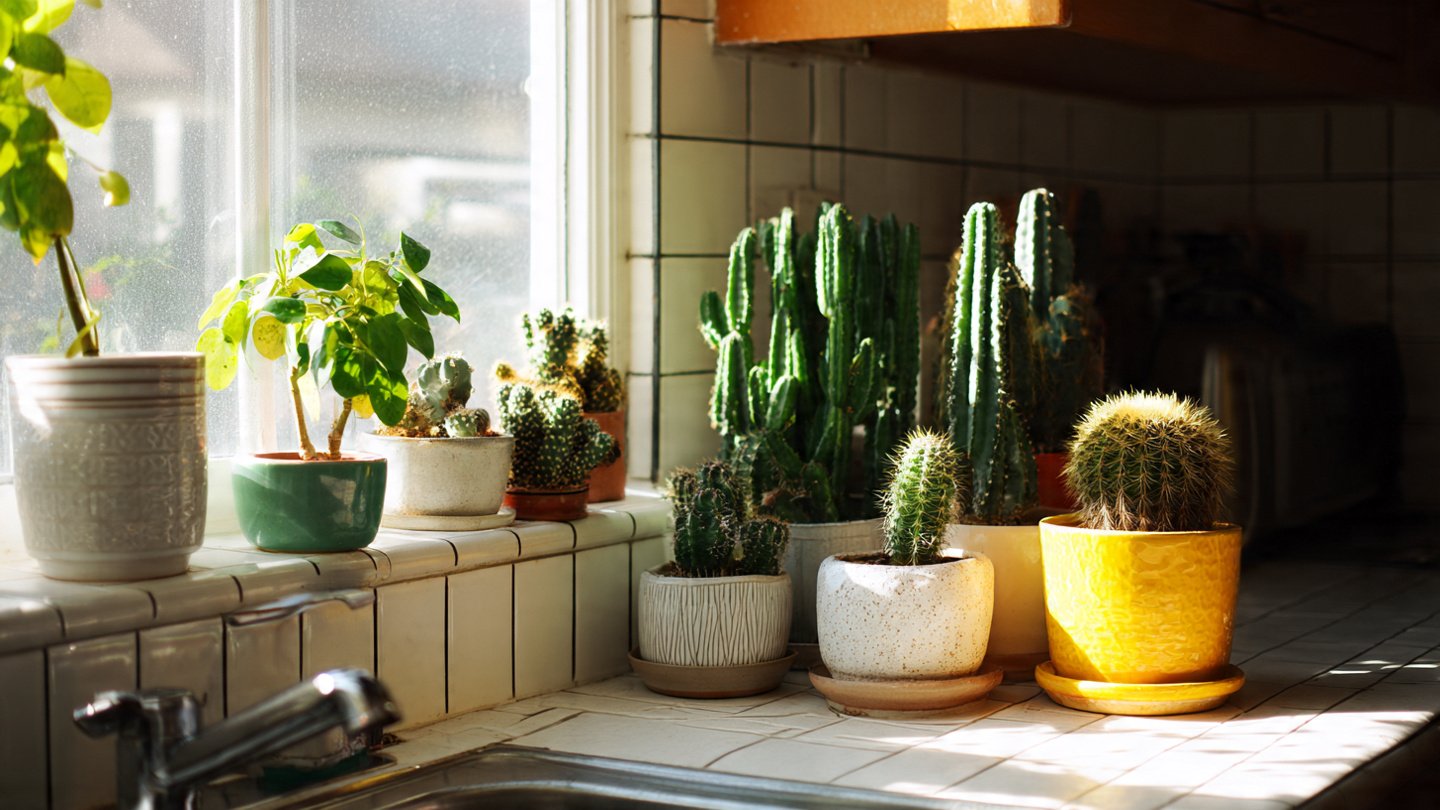
When you think of a kitchen, you might not immediately think about incorporating plants. However, adding cacti to your culinary space can significantly enhance its aesthetic and functional value. Cacti are low-maintenance, resilient, and can turn a sunny kitchen into a vibrant oasis, reflecting a blend of nature and home.
The Benefits of Cacti in Your Kitchen
Integrating cacti into your kitchen offers numerous advantages beyond mere aesthetics. Understanding these benefits can help you appreciate why cacti are an excellent choice for indoor gardening.
1. Low Maintenance
Cacti thrive on neglect, making them perfect for busy kitchen environments. They require minimal watering and can withstand varying temperatures, ideal for the warmth often found in kitchens. Their water-storing capabilities mean you can go weeks without worrying about their care.
2. Improved Air Quality
Indoor plants are known to improve air quality by absorbing toxins and releasing oxygen. Cacti, while not as efficient as some leafy plants, contribute to a healthier environment by filtering air pollutants. This is particularly beneficial in kitchens, where cooking can introduce various odors and chemicals.
3. Aesthetic Appeal
Cacti come in a wide variety of shapes, sizes, and colors. This diversity allows you to mix and match plants to create a unique look for your space. The striking appearance of cacti can serve as conversation starters and focal points in your kitchen.
4. Natural Humidity Regulation
While cacti primarily thrive in dry environments, they can actually help balance humidity levels in your kitchen when paired with other plants. This is particularly beneficial in a space where cooking may introduce varying levels of moisture.
5. Color and Texture
Adding cacti can introduce a range of colors and textures to your kitchen decor. From the smooth, glossy finishes of some species to the spiky textures of others, these plants can complement various design styles, from rustic to modern.
Choosing the Right Cacti for Your Kitchen
Not all cacti are suitable for indoor conditions, and choosing the right ones will maximize the benefits of your kitchen oasis.
1. Size Matters
Consider the space available on your kitchen counters or shelves. Smaller species, like the Haworthia or Mammillaria, are excellent for limited spaces, while larger varieties can make a bold statement.
2. Light Requirements
Most cacti enjoy bright, indirect sunlight. Placing them near a window where they can receive sufficient light will encourage growth and vibrant colors. Avoid direct sunlight, as this can scorch their delicate structure.
3. Varieties to Consider
- Barrel Cactus: Known for its round shape and beautiful blooms.
- Christmas Cactus: Offers stunning flowers during the holiday season.
- Golden Barrel Cactus: Features striking yellow spines, adding a unique touch.
- Coral Cactus: Known for its unusual shape and vibrant colors.
Creating the Perfect Environment
To ensure your cacti flourish in your kitchen, consider the following environmental factors:
1. Soil Choice
Using well-draining soil is crucial for cacti. A mix specifically designed for cacti and succulents is typically ideal, allowing for strong root development without the risk of rot.
2. Watering Schedule
Cacti do not require frequent watering. Depending on your kitchen’s humidity and temperature, watering every 2-3 weeks should suffice. Always check the soil moisture before watering to avoid overwatering.
3. Fertilization
While cacti require minimal fertilization, using a diluted, water-soluble fertilizer during their growing season (spring and summer) can promote healthy growth. Avoid fertilizing in winter, as this is their dormant period.
Decorating Your Kitchen with Cacti
Now that you have selected the right cacti for your kitchen, it’s time to think about how to arrange them creatively.
1. Windowsills
Utilize your kitchen windowsills to showcase your cacti. They can bask in the sunlight while providing a lively touch to your space.
2. Hanging Gardens
Consider creating a hanging garden with trailing succulent varieties. This adds vertical interest and saves valuable counter space while giving your kitchen a unique appearance.
3. Themed Arrangements
Combine cacti with other kitchen-friendly plants such as herbs. This not only maximizes your green space but lends functionality, as you can use the herbs in your cooking.
Conclusion
Cacti can transform your sunny kitchen into an oasis, offering a mix of beauty, practicality, and even a touch of nature. Their low maintenance requirements make them ideal companions in the kitchen, while their unique textures and colors add a dynamic element to your decor. With the right selection and care, your cacti can thrive in this vibrant space, enhancing both its aesthetic and your well-being.
FAQs
1. How often should I water my cacti?
Water your cacti every 2-3 weeks, but always check the soil moisture first to prevent overwatering.
2. Can cacti survive in low light?
While some cacti can tolerate low light, most prefer bright, indirect sunlight. Ensure they receive enough light to thrive.
3. Are cacti safe for pets?
While many cacti are not toxic to pets, the spines can pose a physical danger. Always keep them out of reach of pets who might be curious.
4. What type of soil is best for cacti?
A well-draining cactus mix is best for cacti, helping to prevent root rot.
5. Do cacti need fertilizer?
Cacti require minimal fertilization. Use a diluted water-soluble fertilizer during their growing season in spring and summer.