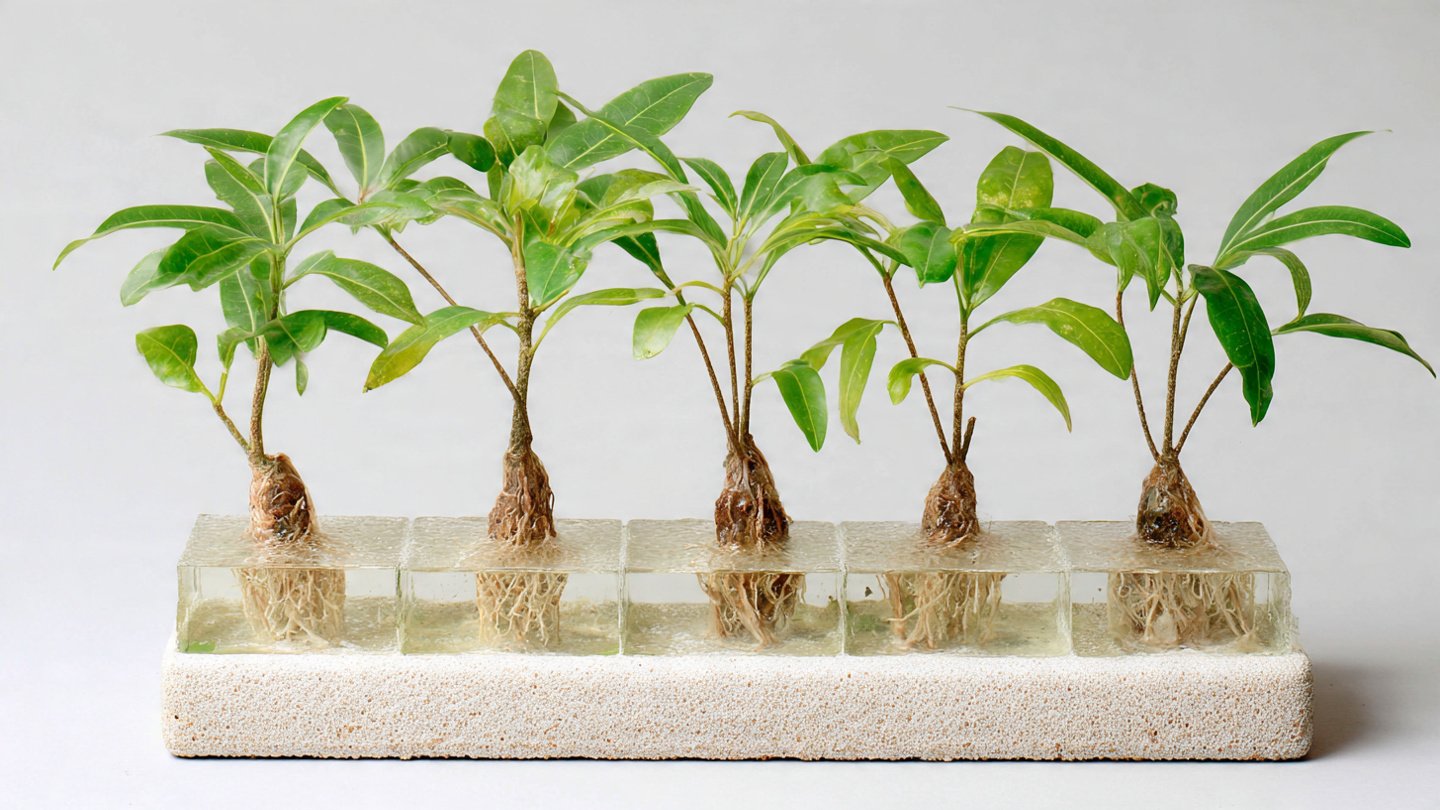
When propagating plants from cuttings, many novice and experienced gardeners alike encounter a surprisingly common issue: their cuttings seem to be struggling, showing poor growth or even worse, wilting. One often overlooked factor can be the availability of oxygen to the cuttings. But why do your cuttings crave extra oxygen? Let’s delve into the unexpected truth about the importance of oxygen in plant propagation.
The Role of Oxygen in Plant Growth
Oxygen is a vital element for all living organisms, including plants. But its importance becomes particularly pronounced when we look at the processes that permeate plant growth and propagation. Plants absorb oxygen primarily through their roots, which is crucial for cellular respiration. This process allows plants to convert sugars produced during photosynthesis into energy, which is essential for growth.
In essence, without sufficient oxygen, plants can struggle to develop healthy root systems, leading to stunted growth or even plant death. When propagating from cuttings, the roots have not yet fully developed, making them particularly sensitive to oxygen levels.
Understanding Plant Cuttings
When a cutting is taken from a parent plant, it is essentially a clone. This clipping contains cells that are still very much dependent on the right environmental conditions to thrive. Unlike established plants, cuttings need specific care to flourish and create a robust root system. The cutting must balance moisture, nutrient uptake, and oxygen availability.
After a cutting is taken, it begins the process of rooting, where new root cells form. This root development process requires energy, which is derived from both the plant’s stored resources and the oxygen available in the growing medium. If oxygen levels are low, root growth stagnates, impacting the overall health of the cutting.
Why Oxygen Is Key in Propagation
Cellular Respiration
As mentioned, cellular respiration is the foundational energy-producing process in plants. When roots are submerged in water or densified soil that restricts airflow, the available oxygen diminishes. This leads to anaerobic soil conditions where the roots cannot perform respiration efficiently. The result is often root rot, which can quickly kill cuttings.
Root Development
Root development is a complex procedure requiring energy. As cuttings begin to grow roots, the demand for oxygen increases. When oxygen levels are too low, root growth halts or becomes severely stunted. This lack of growth impairs the plant’s ability to take up water and nutrients, leading to poor health or death.
The Effects of Low Oxygen on Cuttings
As a cutting begins its journey to establish roots, low oxygen levels can manifest in several detrimental ways. Common signs include yellowing leaves, wilting despite adequate moisture, and overall poor growth. These symptoms stem from the inability of roots to function properly due to insufficient oxygen.
How to Ensure Your Cuttings Get Enough Oxygen
1. Choose the Right Growing Medium
One of the simplest yet most effective ways to enhance oxygen availability for cuttings is by selecting the right growing medium. Instead of using dense soil, consider lighter alternatives such as perlite, vermiculite, or peat moss, which provide greater aeration. A well-aerated container ensures that oxygen can easily permeate and reach the delicate root systems.
2. Avoid Overwatering
Overwatering is a common mistake made by novice gardeners. While cuttings need moisture, too much water can suffocate the roots and deprive them of oxygen. Always ensure that the soil or growing medium drains well and that excess water can escape. It’s better to err on the side of under-watering than over-watering.
3. Use Air-Pumping Techniques
Some gardeners implement techniques that actively increase oxygen levels around their cuttings. Techniques such as aeroponics involve misting cuttings with water while exposing the roots to air, creating an environment rich in both moisture and oxygen. Hydroponics is another method that can efficiently deliver oxygen directly to the roots.
4. Maintain Optimal Temperature and Conditions
Heat can increase the respiration rate of plants. If cuttings are in an overly warm environment, they may consume oxygen faster than it can naturally replenish. Keeping cuttings in a stable, slightly cooler environment can help manage oxygen levels more effectively.
Conclusion
Understanding why cuttings crave extra oxygen is crucial for anyone looking to propagate plants successfully. While many aspects of plant care are focused on providing nutrients and moisture, oxygen availability can significantly impact the health and vitality of plant roots. By ensuring adequate airflow, opting for the right growing medium, and avoiding overwatering, you can create optimal conditions for your cuttings to thrive. This seemingly simple factor can transform your propagation success rate, ensuring that your green endeavors flourish.
FAQs
1. How do I know if my cuttings are getting enough oxygen?
Signs that your cuttings may not be getting enough oxygen include yellowing leaves, wilting, and stunted growth. Monitor these signs closely to ensure optimal conditions.
2. Can I use regular potting soil for cuttings?
While you can use regular potting soil, it is advisable to mix it with perlite or vermiculite to enhance aeration. Purely dense soil can suffocate the roots.
3. How often should I water my cuttings?
Watering frequency depends on several factors, including the type of cutting and the environment. A general rule is to keep the soil moist but not soggy. Allow the top inch of the soil to dry out before watering again.
4. What are ideal environmental conditions for cuttings?
Most cuttings thrive in a warm, humid environment. However, extreme heat should be avoided as it can cause a rapid depletion of oxygen. Aim for a temperature range between 65°F to 75°F (18°C to 24°C).
5. Can I use a propagation station to improve oxygen levels?
Yes! A propagation station can promote air circulation and help maintain moisture levels, thereby improving oxygen availability to the cuttings.