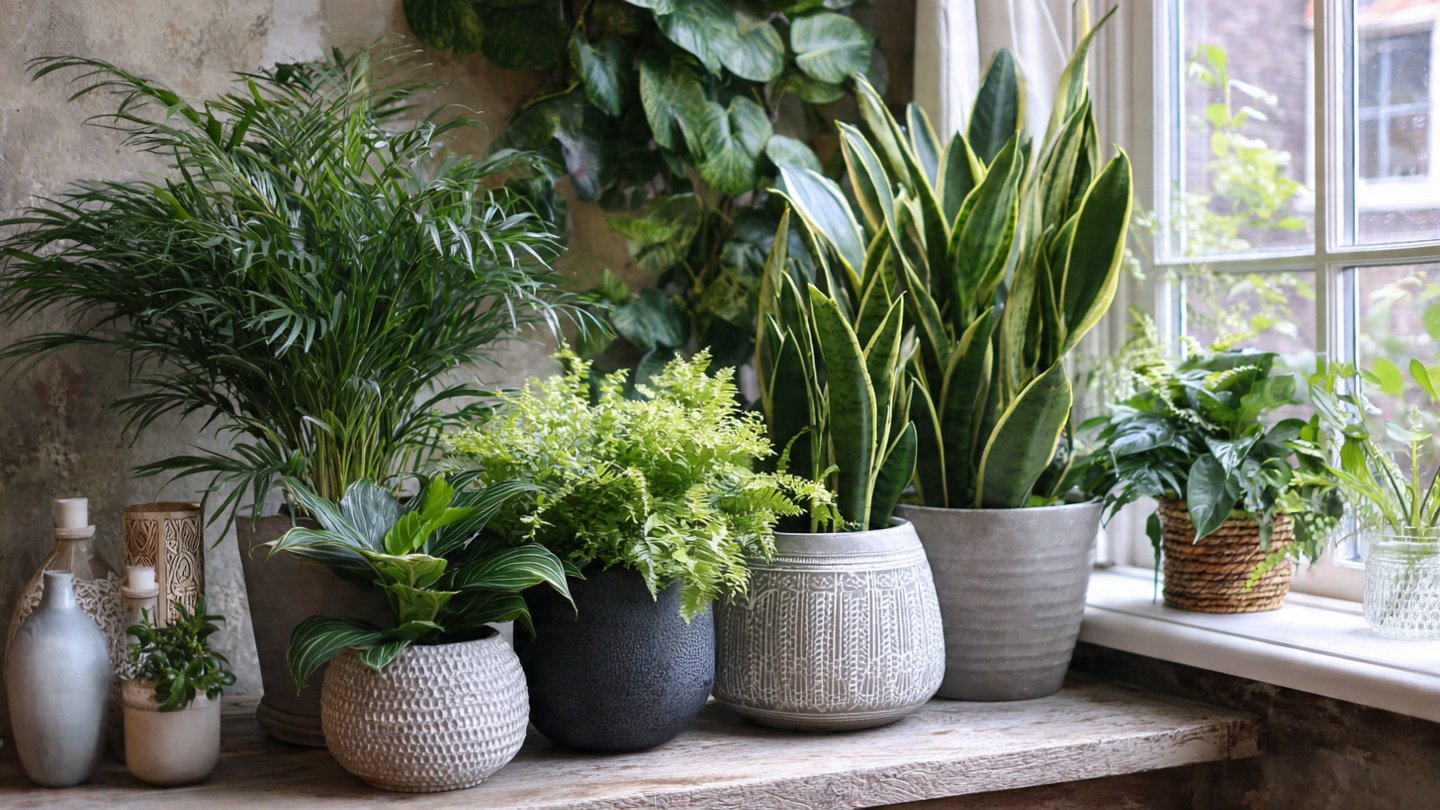
Creating a fragrant oasis in your home not only enhances the atmosphere but also boosts your mood and overall well-being. Scented houseplants have the unique ability to fill your living space with delightful aromas while also purifying the air. This article explores some of the best scented houseplants, their characteristics, care tips, and the benefits they provide.
1. Lavender (Lavandula)
Lavender is renowned for its calming fragrance, which is often associated with relaxation and stress relief. This beautiful herb can thrive indoors, given the right conditions.
- Care Tips: Lavender requires bright sunlight (at least 6 hours a day) and well-draining soil. Water only when the top inch of soil is dry.
- Benefits: The scent of lavender can help reduce anxiety and promote better sleep.
2. Jasmine (Jasminum)
Jasmine is famous for its sweet, intoxicating fragrance. The white or yellow flowers bloom intermittently, releasing their scent predominantly at night.
- Care Tips: Jasmine prefers bright light and should be watered when the soil feels dry. Ensure good airflow to prevent mold.
- Benefits: Jasmine is known to enhance mood and alleviate symptoms of depression.
3. Gardenia (Gardenia jasminoides)
Gardenias produce large, creamy white flowers that emit a rich, sweet scent. Though they can be a bit finicky, their fragrance makes the effort worthwhile.
- Care Tips: Gardenias need bright, indirect light and high humidity. Keep the soil consistently moist but not soggy.
- Benefits: The scent can have a soothing effect and is often used in perfumes.
4. Mint (Mentha)
Mint is a versatile herb that adds a refreshing fragrance to your home. It’s also a great addition to cooking!
- Care Tips: Mint prefers bright light and consistently moist soil. Trim often to encourage bushiness.
- Benefits: The aroma can enhance mental clarity and relieve headaches.
5. Lemon Balm (Melissa officinalis)
This aromatic herb has a light lemony scent that is uplifting and refreshing. Lemon balm can thrive both indoors and outdoors.
- Care Tips: Lemon balm needs bright light and well-drained soil. Water regularly, but avoid waterlogging.
- Benefits: Known for its calming effects, lemon balm can help alleviate stress and anxiety.
6. Rosemary (Rosmarinus officinalis)
Rosemary’s robust, earthy scent is invigorating and complements various culinary dishes. This aromatic plant is both beautiful and functional.
- Care Tips: Rosemary prefers full sun and well-draining soil. Allow the soil to dry out between waterings.
- Benefits: It may enhance memory and focus, making it a great plant to have in your home office.
7. Basil (Ocimum basilicum)
Basil not only enhances the flavor of dishes but also fills your home with its sweet, peppery aroma. It’s easy to grow indoors, especially in small pots.
- Care Tips: Basil grows best in bright light and needs consistent moisture. Pinch off flower buds to encourage leaf growth.
- Benefits: The scent can promote a sense of well-being and calmness.
8. Geranium (Pelargonium)
Geraniums, particularly scented varieties, offer a range of fragrances, from rose to lemon. They are colorful, hardy, and easy to care for.
- Care Tips: They require bright sunlight and well-draining soil. Water when the topsoil feels dry.
- Benefits: The aroma can help uplift your mood and reduce stress levels.
9. Orange Jasmine (Murraya paniculata)
Also known as the mock orange, this plant features highly fragrant white flowers and lush green leaves. It’s a great choice for a fragrant indoor garden.
- Care Tips: Orange jasmine thrives in bright, indirect light and needs moderate watering.
- Benefits: The scent is soothing and can help promote relaxation.
10. Spider Plant (Chlorophytum comosum)
While primarily known for its air-purifying qualities, some species of spider plants also produce small, fragrant flowers.
- Care Tips: Spider plants do well in indirect sunlight and should be watered when the soil is dry.
- Benefits: They improve indoor air quality and boost mood with their subtle fragrance.
Conclusion
Scented houseplants are not only aesthetically pleasing but also offer numerous mental and physical health benefits. From the calming aroma of lavender to the refreshing scent of mint, these plants can transform your home into a fragrant oasis. By incorporating some of these beautiful and aromatic plants into your living space, you can create a soothing and inviting atmosphere that enhances your overall well-being.
FAQs
1. How do I maintain scented houseplants?
Regular watering, proper light exposure, and monitoring humidity levels are essential. Each plant has unique needs, so research specific care requirements.
2. Do scented houseplants also purify the air?
Yes, many scented houseplants, like spider plants and geraniums, have air-purifying qualities, improving the indoor environment.
3. Can I grow scented plants in low light?
While some scented plants can tolerate low light, most prefer bright light. Choose species suited for low light if that’s your environment.
4. Are there any drawbacks to having scented houseplants?
Some people may be sensitive to strong fragrances, which could cause allergic reactions. It’s important to monitor how you and others respond to the scents.
5. How can I propagate scented houseplants?
Many scented plants can be propagated via cuttings or division. Research the specific propagation method for the type of plant you have.