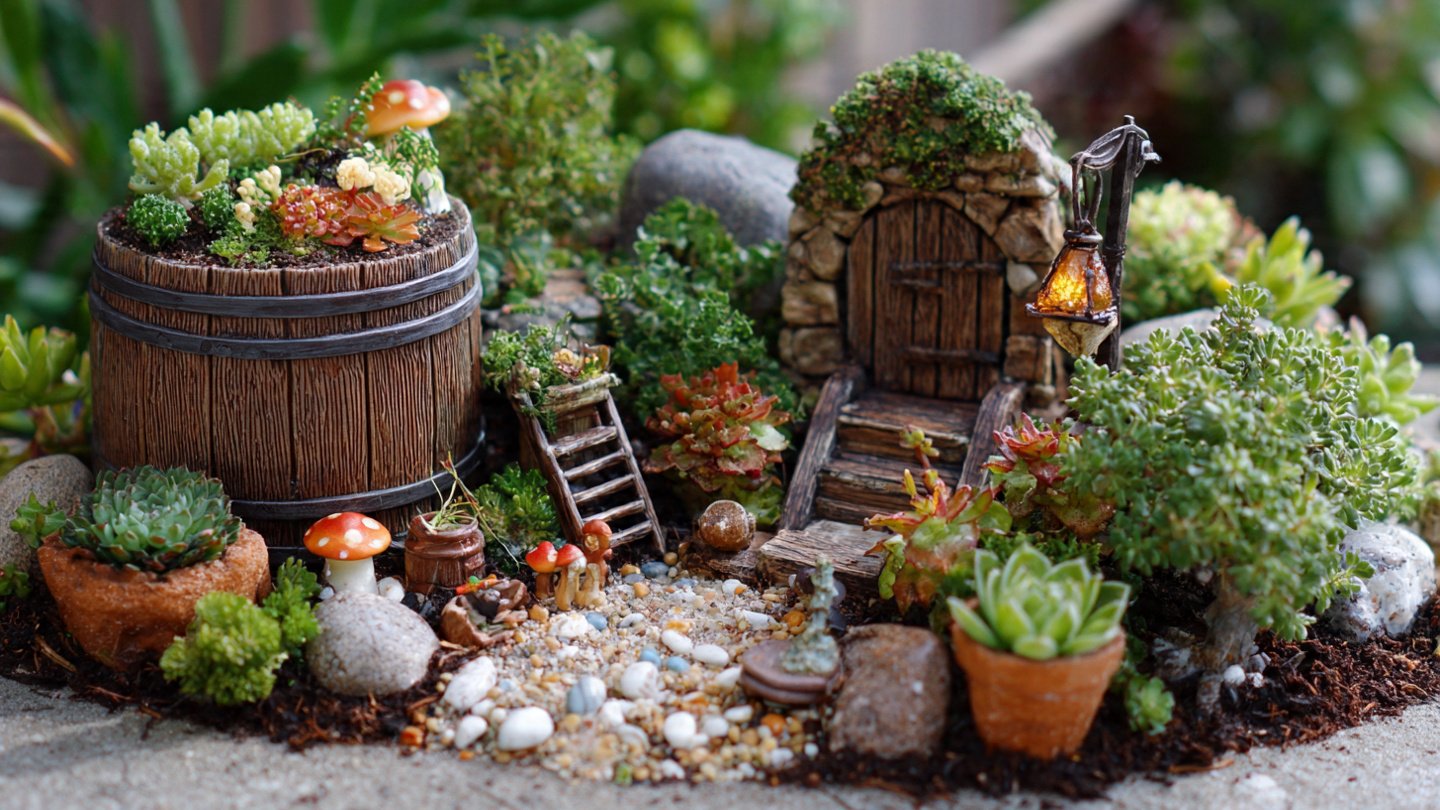
Creating a miniature fairy garden can be an enchanting experience for children and adults alike. It not only fosters creativity but also provides a magical outdoor environment where kids can play, explore, and engage in imaginative storytelling. This article outlines the essential steps in building a mini fairy garden that can keep your children entertained and engaged, fostering a love of gardening and nature in the process.
Step 1: Choose the Perfect Location
1.1 Indoor vs. Outdoor
The first step is deciding on the location for your fairy garden. You can opt for an indoor garden, which can fit on a windowsill or table, or an outdoor garden in a flower bed or designated garden area. If you choose an outdoor location, make sure it’s a space that your kids can access easily but also that is protected from heavy foot traffic.
1.2 Sunlight
Fairy gardens thrive in well-lit environments, so look for a spot that receives plenty of sunlight, especially in the morning. Ideally, choose a location that gets partial shade in the afternoon to protect delicate plants from intense heat.
Step 2: Gather Materials
2.1 Containers
Selecting a container is essential for a miniature fairy garden. If you’re making a garden indoors, choose a pot, dish, or bowl that fits the theme. For outdoor gardens, consider using a wooden planter, a large pot, or even a section of the garden itself.
2.2 Soil and Plants
Choose high-quality potting soil suitable for your plants. Next, select miniature plants that thrive in your chosen location. Some popular choices include:
- Succulents: Hardy and diverse in shapes and colors.
- Moss: Soft and creates a lush green carpet.
- Miniature flowers: Such as violas or dwarf pansies that add a pop of color.
2.3 Decorations
The charm of a fairy garden lies in its decorations. Gather materials like:
- Fairy figurines
- Tiny furniture (miniature benches, tables, etc.)
- Pathways (made from stones or gravel)
- Natural elements (twigs, pebbles, shells)
Step 3: Design Your Garden Layout
3.1 Sketch Your Ideas
Before diving in, sketch your design ideas on paper. Consider where different elements will go. A well-thought-out layout can minimize clutter and ensure that there’s room for creativity.
3.2 Arrange Items
Start arranging the elements in your chosen location without planting them. Experiment with different placements of plants and decorations to see what works best visually. Consider varying heights and shapes to add dynamism to the garden.
Step 4: Planting
4.1 Prepare the Soil
Fill your container with quality potting soil, ensuring ample drainage. Leave some space at the top so that water won’t overflow when you water the plants.
4.2 Planting Techniques
- Layering: Begin by planting larger plants at the back or center and smaller plants in front to create depth.
- Moisture: Water the soil before placing your plants; this helps them settle in better.
- Press Down: Gently press the soil around each plant to eliminate air pockets while providing stability.
4.3 Adding Decorations
Once your plants are in place, start adding your decorations. Place fairy figurines near plants, arrange tiny furniture sets, and lay down pathways. This step allows for storytelling and imagination to flourish.
Step 5: Incorporate Interactive Elements
5.1 Personal Touches
Give your kids the opportunity to make the fairy garden their own. Consider adding:
- A fairy house: Let your kids decorate or build their fairy houses using natural materials or repurposed items like small wooden boxes.
- Themed areas: Design a section for a fairy tea party, a playground, or a miniature farm, requiring kids to interact with each theme.
5.2 Seasonal Changes
Encourage your children to change their garden according to the seasons. They can:
- Swap out flowers for seasonal blooms
- Change decorations (winter landscapes, autumn leaves, etc.)
- Use tools to create a mini snowman or decorate with cut-out paper snowflakes.
Step 6: Teach Responsibility
6.1 Watering and Maintenance
Assign regular watering and maintenance tasks to your children. This will help them learn responsibility while fostering a connection with nature.
- Check for Dryness: Teach them to check the soil moisture levels.
- Remove Weeds: Show them how to identify and remove unwanted plants or weeds that might intrude.
6.2 Fertilization and Care
Explain the importance of fertilization and care for the different plants. Use eco-friendly fertilizers, and involve them as they learn what their plants need to thrive.
Step 7: Storytelling and Imagination
7.1 Create Fairy Tales
Encourage your children to write their own stories about the fairies that inhabit the garden. Help them develop characters and plots, which promotes language skills and creativity.
7.2 Interactive Play
Use the fairy garden as a stage for interactive play. Children can act out their stories using fairy figurines or other toys, deepening their engagement with the garden.
7.3 Themed Events
Consider organizing themed events such as “fairy tea parties” or “fairy costume days.” Invite friends or family to participate in imaginative activities that further enhance the experience.
Step 8: Document the Journey
8.1 Photo Journal
Document the growth of the fairy garden through photos. Create a scrapbook to track changes or keep a journal about different things learned throughout each season.
8.2 Growth Tracking
Set aside time to observe and note the differences in plant growth and any seasonal changes. This can serve both as an educational tool and a way to bond with your kids.
Step 9: Expand Your Fairy Garden
9.1 New Areas
As your kids grow more attached to the garden, consider expanding it. Introduce:
- Additional Containers: Create separate sections for different fairy stories or themes.
- New Plants: Engage them in researching and choosing new plants that could complement the existing landscape.
9.2 Collaboration
Encourage collaboration with siblings or friends. Kids can share ideas and even create joint fairy gardens, leading to teamwork and shared imagination.
Conclusion
Building a miniature fairy garden can be a rewarding and entertaining endeavor for both you and your children. It’s an engaging way to introduce kids to gardening, nurture their creativity, and foster a love for nature. The process of planting, decorating, and storytelling brings families closer while providing countless hours of imaginative play. As your garden flourishes, so will your children’s joy and enthusiasm for creating their magical worlds. Happy gardening!