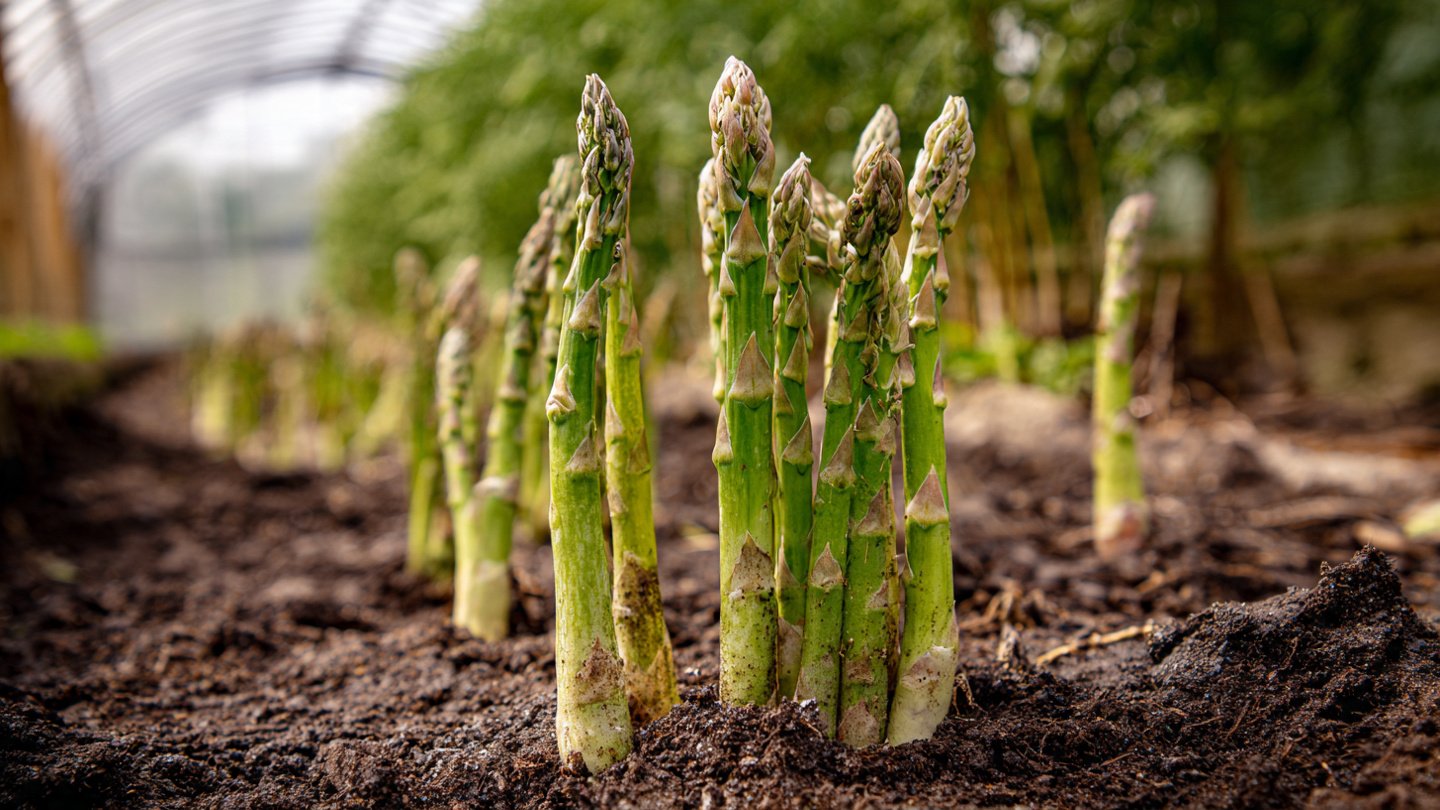
Asparagus (Asparagus officinalis) is a perennial vegetable that is not only delicious but also remarkably resilient. Many gardeners aspire to grow asparagus in their home gardens, and for good reason. With proper care, asparagus can produce harvests for over thirty years, offering a multitude of culinary delights and nutritional benefits. This article dives into the secrets that allow asparagus to thrive and continue producing for decades.
The Asparagus Lifecycle
Understanding the lifecycle of asparagus is crucial for successful cultivation. Asparagus is a high-energy perennial, meaning it grows back each year. Its lifecycle consists of several stages: initial planting, growth, establishment, and harvest.
Initial Planting
The journey begins with either seeds or crowns. Crowns are one-year-old root systems that are typically easier and faster to establish than starting from seeds. The best time to plant asparagus is in spring when the soil temperature reaches about 50°F (10°C).
Growth and Establishment
Once planted, the asparagus plants require time to establish their root systems. During the first couple of years, it is crucial to avoid harvesting any spears. Allow the plants to grow tall and produce ferns, which will help build the energy reserves necessary for future production.
Nutritional Requirements
Asparagus is a heavy feeder, which means it requires specific nutrients to thrive. Regularly applying organic compost or well-rotted manure enriches the soil, providing essential nutrients such as nitrogen, phosphorus, and potassium.
Soil Conditions
Asparagus thrives best in well-drained soil with a pH level between 7.0 and 8.0. Good drainage is essential because asparagus roots are prone to rot in soggy conditions. Adding organic matter and sand can improve soil structure and drainage capabilities.
Watering and Irrigation
Like most plants, asparagus needs a consistent supply of water, especially during the establishment phase. After that, regular watering during dry spells ensures that spears remain tender and productive. Deep watering is recommended to promote strong root development.
Sunlight and Spacing Requirements
Asparagus is a sun-loving plant that thrives in full sunlight. It is essential to plant asparagus in a location that receives at least 8-10 hours of sunlight daily. Additionally, proper spacing—about 18 inches apart—is crucial to allow for airflow and prevent overcrowding, which can lead to diseases.
Pest and Disease Management
Although asparagus is relatively pest-resistant, it can fall victim to various insects and diseases. Common pests include the asparagus beetle and the cutworm. Regularly monitoring and employing integrated pest management (IPM) strategies can help keep these pests at bay.
Common Diseases
Diseases such as rust, Fusarium wilt, and crown rot can threaten asparagus health. To manage diseases, rotating crops, practicing good sanitation, and ensuring proper air circulation can minimize the likelihood of outbreaks.
Harvesting Techniques
Harvesting asparagus requires a gentle touch to avoid damaging the plants. Typically, the harvesting season runs from spring to early summer. The best time to harvest is when the spears are about 6-8 inches tall and before the tips begin to open. To harvest, snap the spears off at ground level.
Long-term Care and Maintenance
After the initial establishment years, regular maintenance ensures that asparagus continues to thrive. This includes mulching, irrigation, and seasonal fertilization. Applying mulch helps retain moisture, suppress weeds, and regulate soil temperature.
Seasonal Maintenance
During the fall, once the ferns have turned yellow, it is important to cut back the plant to a couple of inches above the ground. This practice prevents diseases and pests while preparing the plant for winter dormancy.
Harvesting Dilemmas and Productivity
Many gardeners experience dilemmas regarding when and how much to harvest. In the first couple of years, it is crucial to refrain from harvesting to allow the plants to build energy reserves. After the third year, a careful balance must be struck to maximize productivity while allowing the plant to continue thriving.
Conclusion
The secrets that enable asparagus to thrive and produce for over thirty years are a combination of proper care, nutritional requirements, and environmental conditions. By understanding the lifecycle, providing well-drained soil, ensuring adequate sunlight and water, managing pests and diseases, and employing effective harvesting techniques, gardeners can enjoy the delicious spears of asparagus for many years. With patience and knowledge, this perennial vegetable can become a cherished asset in any garden.
FAQs
- 1. How long does it take for asparagus to produce?
- Asparagus typically takes 2-3 years to produce a harvestable crop after planting crowns or seeds.
- 2. Can asparagus grow in containers?
- Yes, asparagus can grow in large containers with adequate drainage and quality soil; however, it may yield less than garden-grown plants.
- 3. How often should I fertilize asparagus?
- Asparagus should be fertilized in the spring when new growth appears and again after harvesting in summer for optimal growth.
- 4. What do I do if my asparagus plants show signs of disease?
- Identify the disease and apply appropriate cultural practices or organic treatments. Rotate crops yearly and ensure proper sanitation to prevent recurrence.
- 5. Is it possible to grow asparagus from seeds?
- Yes, asparagus can be grown from seeds, but it takes longer to establish compared to using crowns, typically requiring 3-4 years before harvest.