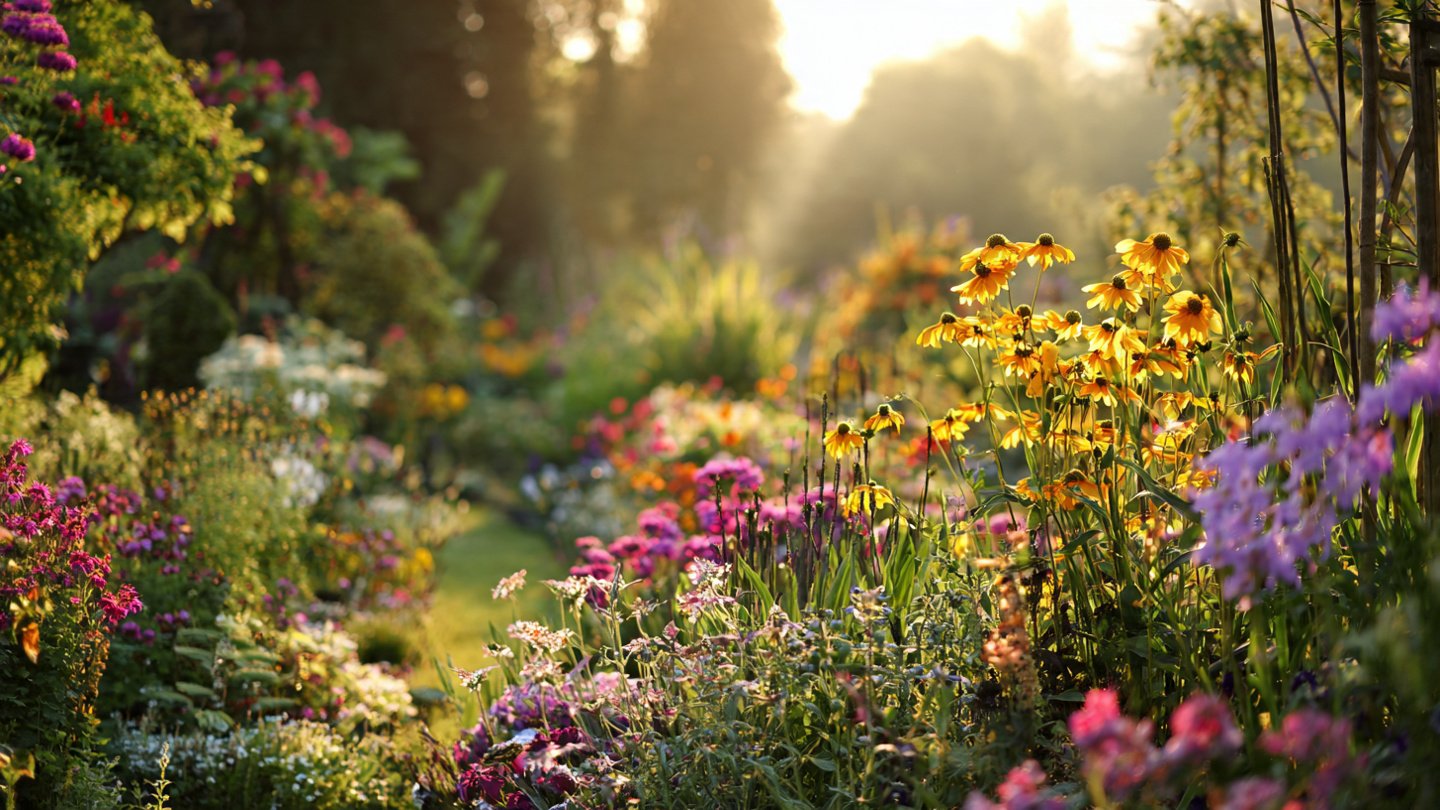
When the summer sun begins to wane, and the air starts to cool, many gardeners may despair as they watch their colorful blooms fade. However, there are numerous strategies to keep your garden vibrant and flourishing all the way until the first frost. This article will provide you with invaluable tips to extend your gardening season, ensuring a rich palette of colors right up to winter.
1. Choose the Right Flowers
Choosing flowers that naturally bloom later in the season is the first step in maintaining a colorful garden. Consider perennial flowers that thrive in late summer and fall, such as:
- Asters
- Chrysanthemums
- Sedums
- Japanese Anemones
- Pansies and Violas
These flowers not only possess an aesthetic appeal but also offer resilience against the cooling temperatures.
2. Extend the Growing Season
Utilizing season extenders can promote growth even when temperatures drop. Here are some effective strategies:
- Row Covers: Lightweight fabric covers can trap heat and protect fragile plants from frost.
- Cloche: These individual plant covers can further insulate plants during chilly nights.
Both options help extend the harvest season and promote blooming as long as possible.
3. Proper Watering Techniques
As temperatures drop, plants require less water, but it’s essential to maintain moisture balance:
- Water early in the day to allow plants to absorb moisture before cooler temperatures set in.
- Use mulch around your plants to retain soil moisture while simultaneously regulating soil temperature.
This practice not only supports ongoing flowering but also helps prevent root damage from frost.
4. Fertilization
Appropriate fertilization can keep blooms coming. Here’s how to do it right:
- Use a Slow-Release Fertilizer: This can provide nutrients over time, particularly important as plants prepare for dormancy.
- Organic Options: Compost and well-aged manure can enrich your soil without the risk of over-fertilizing, which can harm blooming.
Apply fertilization as the blooming period slows, ensuring that plants have the nourishment they need.
5. Pruning and Deadheading
Regular maintenance is key to extending bloom times:
- Deadhead: Removing spent flowers encourages plants to produce more blooms.
- Prune Wisely: Cut back on leggy growth to promote denser flowering; however, be cautious not to prune too late in the season.
These practices help sustain plant health while prompting new blooms.
6. Companion Planting
Strategically planting compatible flowers can lead to a healthier garden environment. For instance:
- Marigolds can deter pests and encourage blooming in neighboring plants.
- Planting taller flowers like sunflowers can provide shade to more vulnerable blooms.
This strategic arrangement not only boosts aesthetics but also enhances growth potential.
7. Protecting Against Pests
As conditions cool, pests may linger, potentially damaging your blooms. Here are ways to deter them:
- Natural Predators: Encourage ladybugs and lacewings in your garden to help control aphid populations.
- Neem Oil: This natural insecticide can help deter a variety of pests without harming plants.
Monitoring for early signs of infestation is crucial for taking timely action.
8. Seasonal Transitioning
As the first frost approaches, transitioning your garden is essential:
- Plan for a Fall Garden: Incorporate fall-blooming plants and foliage that provide texture.
- Consider Edible Plants: Cool-season vegetables like kale and spinach can thrive alongside late-blooming flowers.
This dual-approach creates a diverse and visually stunning space as you merge seasonal aesthetics.
9. Monitor Temperatures
Being aware of weather predictions can substantially impact your garden’s health:
- Invest in a reliable thermometer, allowing for greater awareness of sudden temperature drops.
- Use this information to cover plants before unpredicted frost threatens.
By staying informed, you can take preemptive action to protect your blooms effectively.
10. Enjoy Your Garden
Lastly, remember to relish the beauty and tranquility that your garden provides. Take moments to enjoy your blooms, perhaps by arranging flowers indoors or inviting friends over to experience the vibrant scene.
This emotional connection with your garden will keep you motivated through the colder months, reminding you of the cycles of growth and renewal.
Conclusion
Keeping your garden blooming until the first frost requires a combination of smart choices and ongoing care. By selecting suitable plants, employing protective measures, and maintaining regular garden practices, you can enjoy your vibrant flowers well into the cooler months. With dedication and attention, your garden can continue to be a source of joy, beauty, and inspiration long after summer fades away.
FAQs
1. What are some good flowers to plant for late blooms?
Consider perennials like asters, chrysanthemums, and sedums. Pansies and violas also add late-season color.
2. How can I protect my garden from early frost?
Use row covers, cloches, and mulch to insulate plants. Monitor temperatures and be ready to cover plants during cold nights.
3. Should I stop fertilizing as fall approaches?
Switch to a slow-release fertilizer to provide nutrients gradually. Avoid heavy fertilization to prevent tender growth that may not survive frost.
4. When is the best time to deadhead flowers?
Deadhead spent blooms regularly throughout the growing season, particularly after peak blooming periods, to encourage new growth.
5. How can companion planting benefit my garden?
Companion planting can deter pests, enhance plant growth, and improve overall garden health, leading to more bountiful blooms.