Introduction
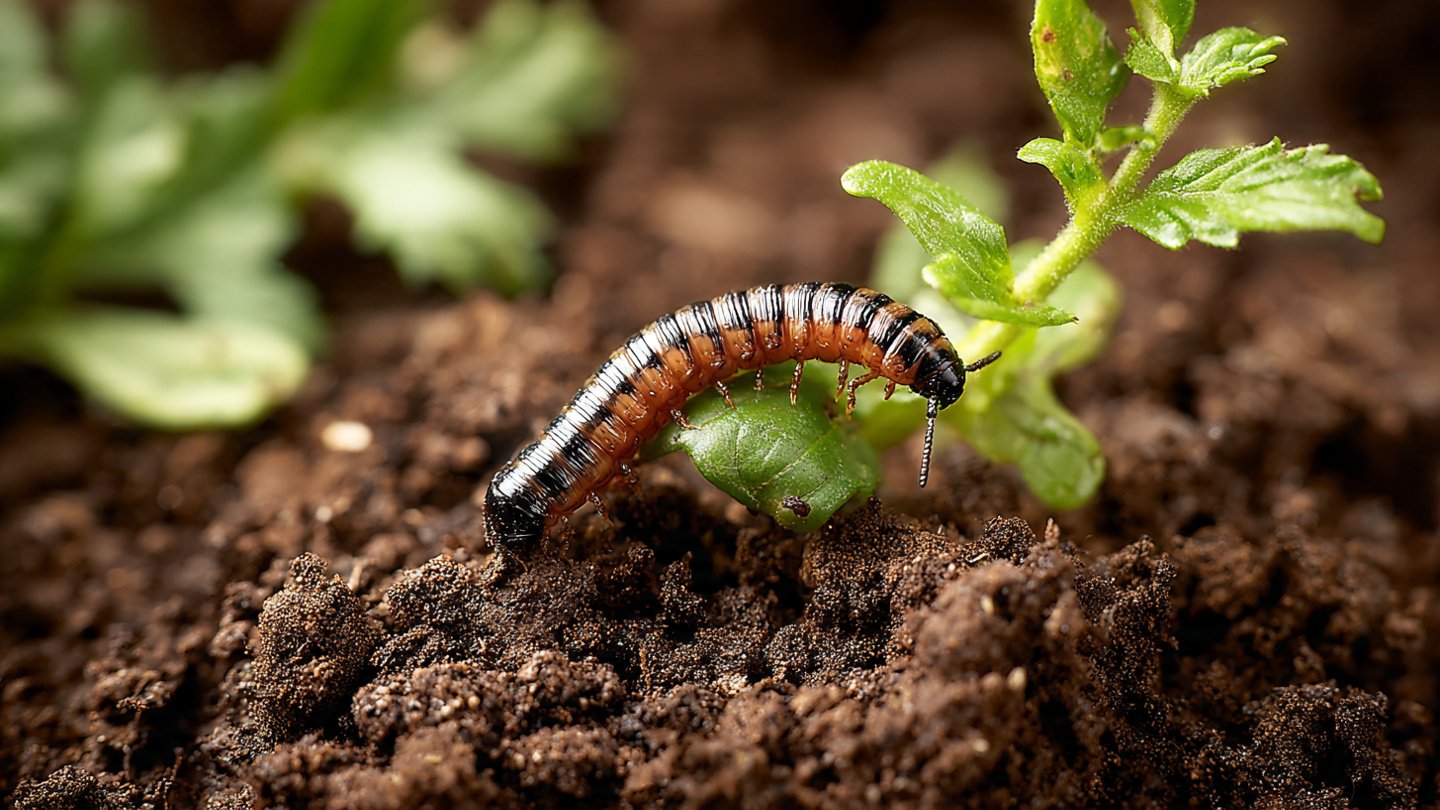
A thriving kitchen garden is a source of pride for many homeowners. The ability to grow fresh vegetables and herbs not only brings nourishment and joy but also fosters a profound connection with nature. However, with this rewarding endeavor comes a challenge: pests. One common behavior observed amongst various kitchen garden pests is their tendency to seek shelter beneath the soil surface. Understanding why these pests prefer the subterranean habitat can aid gardeners in effectively managing their gardens and aiding in the production of healthy crops.
The Underground World of Kitchen Garden Pests
Before delving deeper, it’s essential to identify who these pests are. Kitchen garden pests include a wide variety of organisms, ranging from insects like beetles, grubs, and aphids to larger pests such as rodents. These creatures play significant roles in the ecosystem, but when they invade vegetable gardens, they become a nuisance.
Most of these pests have developed behaviors and adaptations that allow them to seek refuge underground. Some fundamental reasons for this behavior include safety from predators, optimal conditions for survival, and the availability of food sources.
Predation and Protection
One of the primary reasons kitchen garden pests burrow into the soil is to escape predation. The underground environment offers a natural sanctuary from numerous predators, such as birds, beneficial insects, and even larger mammals. Many insects, such as aphids and caterpillars, are vulnerable to predators due to their size and lack of mobility. By hiding in the soil, they can evade immediate threats and increase their chances of survival.
Additionally, the soil provides a diverse ecosystem where many pests can find microhabitats tailored to their needs. For instance, certain nematodes, which are microscopic worms, thrive in moist, dark environments where they can evade both predators and environmental stresses.
Environmental Conditions
Soil conditions offer certain ecological advantages that roosting above ground cannot. Many pests seek refuge below the soil surface to escape extreme weather conditions—whether it’s excessive heat, cold, or moisture. For example, legions of insects, such as root maggots and grubs, construct tunnels that provide suitable temperatures and humidity levels to optimize their development and growth.
Moreover, certain stages in an insect’s life cycle, like the pupal stage, necessitate specific conditions usually found underground. This is crucial for the survival of pests like moths, which may remain larvae above ground but must descend to pupate. Their protective metamorphosis occurs in a safer underground habitat, where they are less exposed to environmental hazards.
Access to Nutrients
The pursuit of food and nutrients drives numerous pests beneath the soil surface. Soil is rich in organic matter, decaying roots, and microorganisms, providing a buffet of nutrients for pest organisms. For instance, root-feeding nematodes and certain beetle larvae thrive by consuming decaying plant material and nutrients in the soil.
By embedding themselves beneath the soil, pests can access plant roots, decomposing organic matter, and nutrients leached into the earth from rain. Many pests, like wireworms, specifically target roots because of their high starch content and sugars, which are vital for their growth.
Reproduction and Life Cycle
The underground environment also enhances reproductive success. Many kitchen garden pests, like the common cutworm and root weevil, benefit from laying their eggs underground. This behavior minimizes exposure to predators that might otherwise feast on their larvae.
Once pest eggs hatch, the young larvae can feed on the roots and surrounding soil, gaining immediate access to resources without having to travel far and risking predation. The cover of soil allows them to stay in close vicinity to their food source.
Soil Structure and Pesticide Resistance
Interestingly, the type of soil also influences the presence of pests. Sandy soils, heavy clay, and loamy soils offer different habitats and nutrient accessibility, attracting diverse pest species. Understanding soil composition can help gardeners predict where these pests will thrive.
Moreover, many pests develop a degree of resistance to chemical pesticides. When treated with pesticides above the soil, buried pests often remain unaffected. This underground habitat becomes a survival strategy against human intervention, which encourages larger infestations in untreated areas.
The Impact of Climate Change
Climate change is another element that plays a role in pest behavior. As temperatures rise and weather patterns shift, pests adapt to the warmer soil conditions, leading to extended breeding seasons and life cycles. This adaptation enables pests to thrive, making their management more challenging for gardeners.
Drought conditions can force them deeper in search of moisture, while increased precipitation can enhance soil nutrient availability. These changes alter the underground ecosystem, potentially leading to heightened pest populations beneath the surface.
The Role of Soil Biology
Healthy soil is a complex ecosystem filled with organisms, from bacteria and fungi to larger invertebrates. The presence of beneficial soil biology is crucial in maintaining a balanced ecosystem. However, pests can disrupt this balance, leading to unhealthy garden conditions.
When pests invade the underground environment, they can outcompete beneficial organisms for resources, ultimately leading to soil degradation. Gardeners need to consider practices that promote soil health, such as crop rotation and integrating natural deterrents, to suppress pest populations and support beneficial life.
Integrated Pest Management (IPM)
Understanding why pests seek shelter beneath the soil emphasizes the significance of integrating pest management strategies tailored to subterranean threats. Adopting an Integrated Pest Management (IPM) approach allows gardeners to combine various practices to control pests effectively.
-
Soil Health: Prioritize improving soil health through organic amendments and composting. Healthy soil supports beneficial organisms that can outcompete or deter pests.
-
Crop Rotation: Alternating crops can disrupt the life cycles of certain soil-dwelling pests. For example, rotating crops can confuse pests in their quest for their preferred plants.
-
Encourage Beneficial Insects: Attracting and nurturing beneficial insects, like ladybugs and parasitic wasps, can increase predation of harmful pests.
-
Natural Barriers: Consider using mulch or ground covers that disturb pest habitats while promoting soil health.
-
Biological Control: Utilizing nematodes or other biological agents can help manage pest populations without damaging the ecosystem.
-
Monitoring and Traps: Regular monitoring of soil health and pest activity enables timely intervention with targeted controls.
Conclusion
Kitchen garden pests burrowing beneath the soil surface is a behavior intimately connected to their survival, reproduction, and resource acquisition. Recognizing the ecosystem dynamics at play allows gardeners to develop practical strategies for pest management. By fostering healthy soil, promoting beneficial organisms, and employing diverse gardening practices, individuals can cultivate thriving kitchen gardens equipped to resist subterranean invaders. Balancing pest management with ecological principles fosters a sustainable gardening approach that honors both productivity and biodiversity.