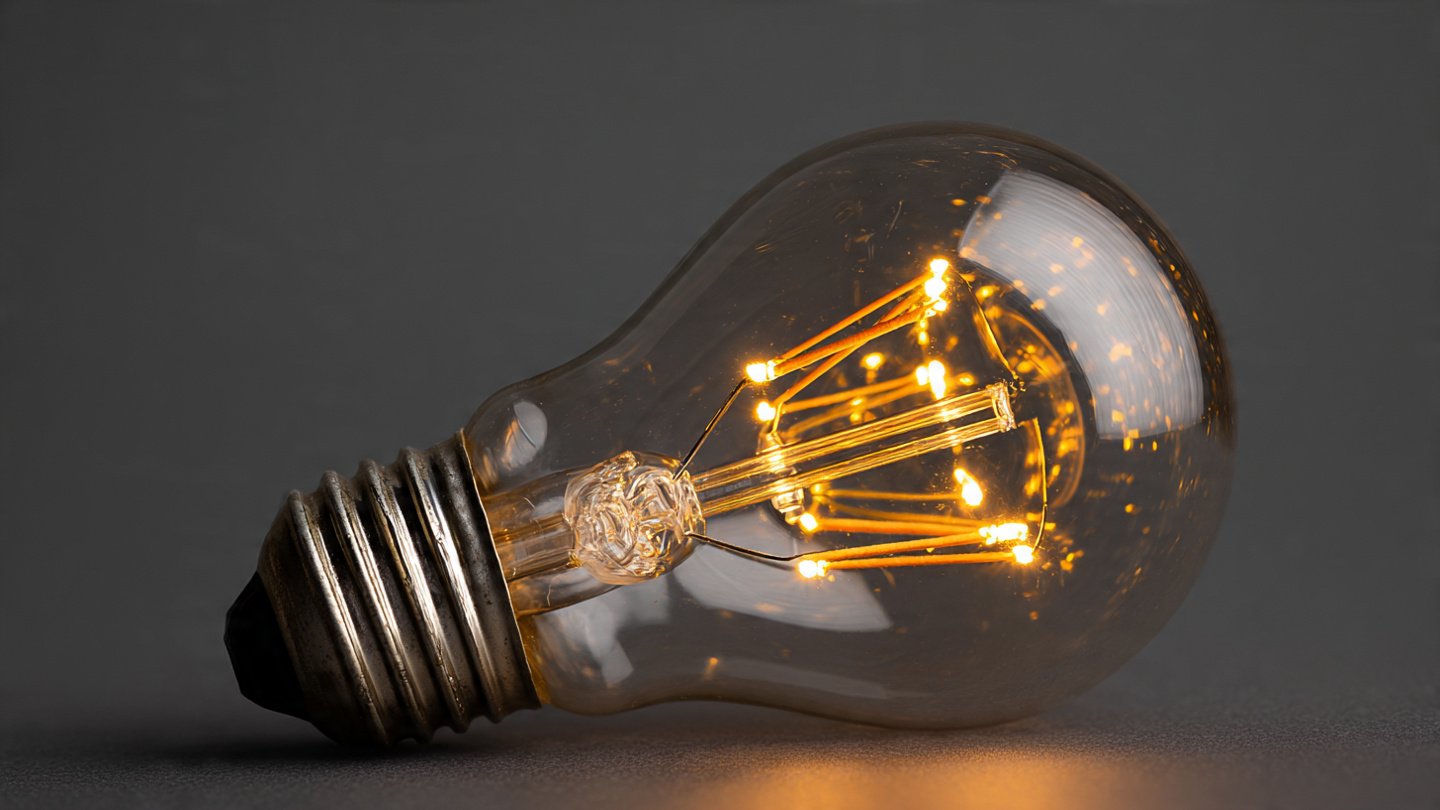
LED bulbs have revolutionized residential lighting, offering energy efficiency and longevity compared to traditional incandescent or fluorescent bulbs. However, homeowners sometimes experience unexpected failures with these seemingly robust light sources. Understanding why LED bulbs stop working can help you troubleshoot issues, prolong the life of your bulbs, and potentially save money. In this article, we’ll explore the common reasons LED bulbs fail unexpectedly, their implications, and tips for selecting and using them effectively.
1. Poor Quality LED Bulbs
Not all LED bulbs are created equal. The market is flooded with products of varying quality, and cheaper options may use inferior components. Many manufacturers reduce costs by decreasing the quality of the semiconductor, driver, and other critical parts of the LED bulb. Poor-quality materials can lead to premature failure. When choosing LED bulbs, always look for reputable brands or certified products that meet energy efficiency standards, such as ENERGY STAR certification.
2. Electrical Issues
A. Voltage Fluctuations
LED bulbs are sensitive to electrical issues. Significant voltage fluctuations can cause damage to the driver circuit within the bulb. This is especially prevalent in homes with outdated electrical systems or those experiencing frequent surges. An inconsistent power supply can lead to short circuits, flickering lights, or complete burnout. Employing a surge protector can help mitigate some of these issues.
B. Over-Voltage Scenarios
An over-voltage situation occurs when the voltage exceeds the bulbs’ rated capacity. LED bulbs typically operate within a voltage range (for instance, 120V for standard household bulbs). Appliances with high power demands, when turned on, can suck substantial amounts of current from the circuit, temporarily increasing the voltage. Prolonged exposure to these over-voltage scenarios can shorten the lifespan of LED bulbs.
3. Heat Exposure
LED technology is known for its efficiency, which produces less heat than traditional bulbs. However, they can still overheat in certain conditions. Placement affects heat dissipation; for example, enclosed fixtures don’t allow for adequate airflow. Excessive heat can degrade the semiconductor polymer and other components, leading to failure. Always choose LED bulbs designed for enclosed fixtures if they must be used in closed environments.
4. Incompatible Dimmers
Many homeowners enjoy the convenience of dimmable lighting, but not all LED bulbs are compatible with existing dimmer switches. Traditional dimmer switches designed for incandescent bulbs may not function correctly with LED bulbs. Incompatibility can lead to flickering, buzzing, or even complete failure of the bulbs. Solutions include replacing old dimmer switches with modern, LED-compatible ones, ensuring they are designed to handle the electrical characteristics of LED lighting.
5. High Humidity or Moisture Levels
Moist environments can lead to LED bulb failures due to potential corrosion and electrical shorts. Bathrooms, kitchens, and outdoor fixtures are particularly vulnerable. Although many LED bulbs are rated for damp or wet conditions, consistent exposure to high humidity can still wreak havoc on the circuitry and lead to failure. Consider using moisture-resistant fixtures or ensuring proper sealing in areas prone to dampness.
6. Frequent On-Off Cycles
LED bulbs generally have long lifespans, but rapid on-off cycling can reduce their lifespan significantly. Frequent switching creates thermal cycling, leading to material fatigue and, over time, the failure of the internal components. If you find that lights are often being turned on and off quickly (like in a frequently used hallway), consider using motion sensors that can help minimize excessive cycling.
7. Manufacturer Defects
Even with reputable brands, the occasional faulty bulb slips through. Manufacturing defects can cause failures shortly after installation. This can include issues with solder joints, circuit boards, or the LED chip itself. If you suspect a defect, look for warranties offered by manufacturers, which often cover replacements for defective products over a certain time frame.
8. Aging of Components
All electrical components have a natural lifespan. While LED technology is robust, the additional components in the bulb (such as the driver) can age and fail. Over time, the driver circuit may degrade, even in bulbs that haven’t been heavily used. In such cases, the LED might light up dimly or flicker, indicating a problem with the driver rather than the LED chip itself.
9. Inadequate Power Supply
LED bulbs require a specific wattage and voltage to function correctly. A power supply that doesn’t meet the specifications needed can cause inefficiencies or outright failure. This is particularly relevant in applications where multiple lamps are powered from a single circuit. Ensuring you have adequate wiring, capacity, and power supplies that meet the specifications of the bulbs is vital for consistent performance.
10. Vibration and Shock
Unstable or shock-prone environments can contribute to LED bulb failure. If bulbs are installed in areas with vibration (such as near heavy machinery or outside in fluctuating temperatures), it can lead to damage over time. Regularly check for any disturbances near the installation sites that might contribute to premature failures.
11. Incorrect Installation
Improper installation can lead to various problems that might cause premature failure. For example, if the bulb is not seated correctly in its socket, it might not make a proper connection. This can lead to flickering or outright failure. Always ensure bulbs are correctly installed and that sockets are in good condition without corrosion or debris.
12. Changing Light Demands
As homeowners evolve their interior designs or the intended use of spaces changes, lighting needs can alter. An LED bulb that once performed adequately might struggle if the light demand shifts, such as being placed in a larger room or switched to a higher luminosity task. Transitioning to bulbs with higher lumens or different color temperatures might be necessary for specific environments.
13. Environmental Factors
In some locations, extreme weather conditions can play a role in bulb longevity. For instance, very cold temperatures can affect the performance of LED bulbs, leading to failure in outdoor lighting. Conversely, high ambient temperatures can lead to overheating. Understanding the environmental conditions for outdoor installations can guide you toward selecting appropriate bulbs designed for such climates.
Tips for Preventing LED Bulb Failures
1. Invest in Quality Products
Purchase LED bulbs from reputable manufacturers and check for certifications such as ENERGY STAR to ensure quality and performance.
2. Use Compatible Dimmers
If you want dimmable features, ensure compatibility between LED bulbs and dimmer switches, opting for modern dimmers designed for LED use.
3. Monitor Electrical Conditions
Consider using surge protectors or voltage regulators to protect against electrical fluctuations and surges.
4. Mind the Environment
Choose bulbs rated for damp or wet conditions for areas like bathrooms or outdoor spaces. Ensure proper installation and placements that allow for heat dissipation.
5. Regularly Check Fixtures
Inspect light fixtures and sockets regularly to ensure a tight connection and cleanliness, avoiding corrosion or debris that might interfere with operation.
6. Avoid Excessive On-Off Cycles
Limit rapid on-off usage in residential applications. Employ motion sensors to manage lighting demands effectively.
7. Pay Attention to Lifespan
Be aware that even the best LED bulbs have a lifespan. Prepare for potential replacements and manage your lighting inventory to minimize unexpected outages.
Conclusion
While LED bulbs are designed for long-lasting performance, unexpected failures can occur due to a variety of reasons ranging from product quality to environmental factors. By understanding these issues and implementing preventive measures, homeowners can maximize the longevity of their LED lighting. This will not only save money on replacement costs but also enhance the overall safety and comfort of their living spaces. Regular maintenance, careful product selection, and a mindful approach to the electrical environment will go a long way toward ensuring that your LED bulbs continue to shine bright for years to come.