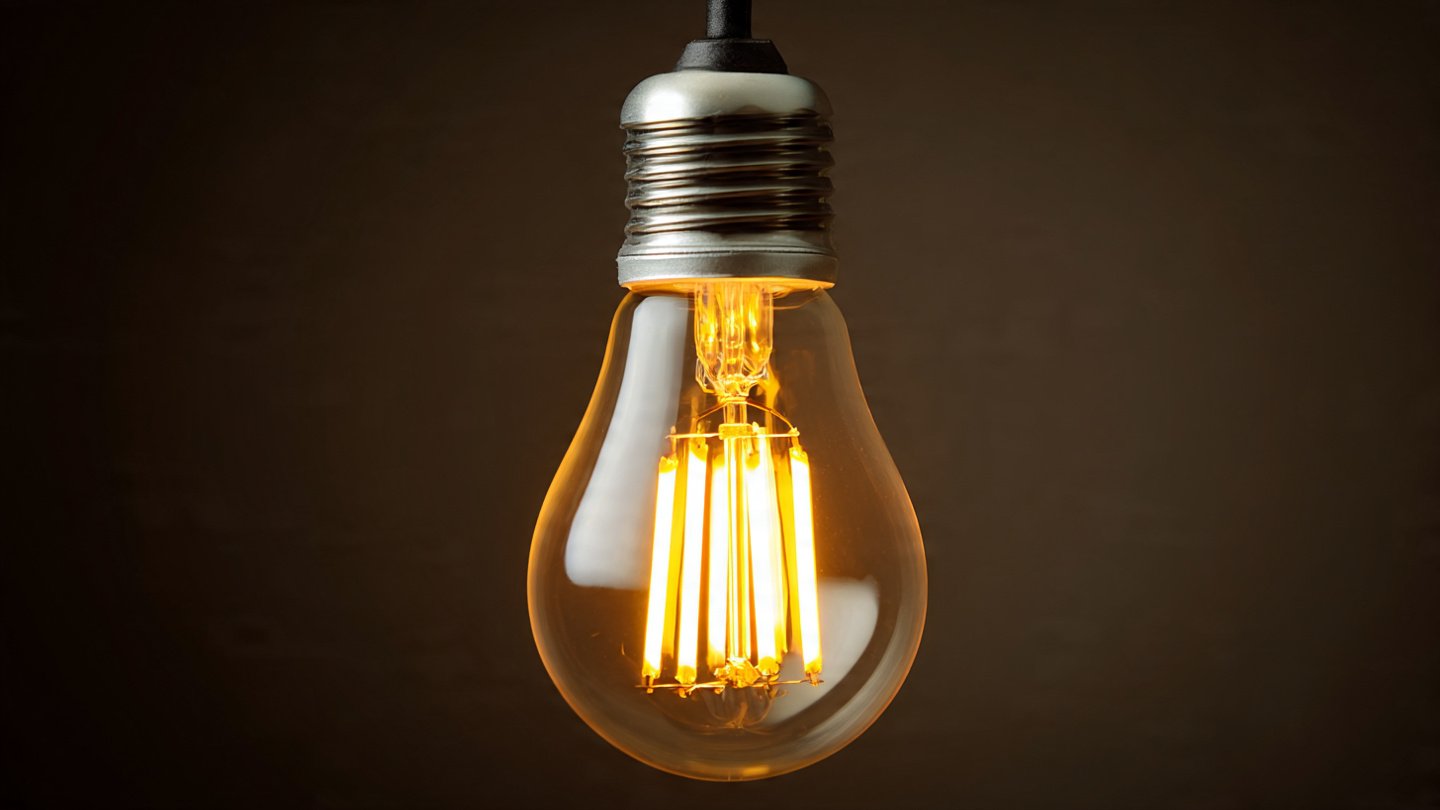
LED bulbs have taken the lighting industry by storm over the last decade, owing to their energy efficiency, longevity, and reduced environmental impact compared to traditional incandescent and fluorescent bulbs. However, homeowners often encounter the frustration of LED bulbs that fail unexpectedly. Understanding the reasons behind this premature failure can not only save your pocketbook but also enhance your home’s lighting experience. In this article, we will explore the various reasons LED bulbs malfunction and offer solutions to prolong their lifespan.
1. Quality Issues With the Bulbs
One primary reason for the sudden failure of LED bulbs is the variance in quality across different brands and models. Not all LED bulbs are created equal; some manufacturers cut corners on materials and components to reduce costs.
Poor Components
Low-quality drivers, heat sinks, and circuit materials can lead to rapid burnout. While cheaper bulbs might be tempting, investing in well-reviewed or reputable brands can save you money in the long run.
Manufacturing Defects
Sometimes, even high-quality bulbs can have defects that lead to early failure. Thorough research and purchasing from reputable retailers can mitigate the risk of ending up with faulty products.
2. Voltage Fluctuations
LEDs are sensitive to voltage spikes and drops. Voltage irregularities can cause the internal components to work harder than intended, leading to premature burnout.
Power Surges
Power surges during electrical storms or due to nearby equipment can affect LED bulbs. Using surge protectors can help shield your lighting fixtures from spikes.
Inconsistent Voltage Supply
If your home experiences fluctuations in voltage from the electrical grid, it can damage LED bulbs. This could be remedied by contacting your power supply company to report ongoing issues.
3. Overheating
Heat is the enemy of any light bulb, including LEDs. While one of the benefits of using LED lights is that they produce significantly less heat compared to incandescent bulbs, the heat that they do produce can lead to early failure, especially in poorly ventilated fixtures.
Improper Fixtures
Using LED bulbs in fixtures that don’t allow for proper heat dissipation can result in overheating. Ensure that your LED bulbs are compatible with the fixture type and that there is adequate ventilation around them.
Ambient Temperature
Hot environments exacerbate the problem. If bulbs are installed in areas with high ambient temperatures—like enclosed porch lights or outdoor fixtures subjected to direct sunlight—they may not last as long as their rated lifespan.
4. Incompatible Dimmer Switches
Using LED bulbs with older dimmer switches can lead to issues, including flickering, buzzing, or even burnout. Traditional dimmers were designed for incandescent bulbs and may not provide the proper current modulation for LED technology.
Solution
Upgrading to a dimmer designed specifically for LED bulbs is essential. These switches allow for smoother dimming and help maintain the performance of your LED lights.
5. Frequent On/Off Cycling
While LED technology allows for quick on/off cycling, excessive use can shorten their lifespan.
Usage Patterns
If you frequently turn lights on and off in certain areas of your home, particularly in the entryway or hallways, consider utilizing motion sensors or timers to reduce the number of cycles the bulb goes through.
6. Humidity and Moisture Exposure
Humidity can be harmful to LED bulbs, especially if they are not rated for damp or wet locations.
Outdoor Fixtures
Using indoor LED bulbs in outdoor fixtures without proper weatherproofing can lead to moisture damage. Always ensure that outdoor bulbs are specifically designed to withstand the elements.
Bathroom and Kitchen Areas
Even in high-humidity areas like bathrooms and kitchens, sensitive LEDs can be adversely affected. Use bulbs rated for high humidity to prolong their lifespan.
7. Incorrect Installation
Improper installation can often lead to issues that cause premature failure.
Fixture Compatibility
Always check to ensure that the bulb is compatible with the existing light fixture. Bulbs that are too high wattage for the fixture may overheat or cause electrical problems.
Socket Issues
Corroded or dusty sockets can affect the connection between the bulb and the fixture, leading to flickering and burnout. Regularly inspect and clean sockets to ensure optimal performance.
8. Electrical Faults in the Home
Electrical problems within your home can significantly affect LED performance.
Faulty Wiring
Old or damaged wiring can create instability in the electrical supply. If you suspect issues with your home’s wiring, having a qualified electrician conduct an inspection is advisable.
Loose Connections
Loose wiring at the bulb socket or junction box can lead to flickering lights, and sudden bulb burnout. Make sure all connections are secure to maintain a stable electrical environment.
9. Current-Compatibility Issues
LED bulbs come in various configurations, including multiple wattages and lumens.
Higher Wattage Ratings
Using a lower-rated bulb in a higher-wattage fixture can lead to failure due to excess current. Always ensure that the bulb meets or exceeds the fixture’s specifications.
Driver Issues
If you’re using commercial-grade LED lights, the driver that powers the bulbs must be compatible. A mismatched driver can cause flickering or rapid burnout.
10. Aging Technology
While LEDs are known for their longevity, they don’t last forever. Over time, the phosphors that produce light within the bulb can degrade.
Gradual Loss of Brightness
Instead of complete failure, some LED bulbs may just grow dimmer over time. Regularly check your bulbs and replace them when they begin to lose significant brightness.
11. Environmental Factors
Environmental factors such as temperature fluctuations, humidity levels, and exposure to outside conditions can significantly impact the lifespan of LED bulbs.
Temperature Extremes
In freezing or sweltering climates, exposure to extreme temperatures can cause internal components to fail. Ensure that your LED bulbs are rated for the appropriate climate, especially in areas where environmental conditions can vary widely.
12. Misuse or Overloading
Improper use can also lead to lamp failure. For example, placing an LED bulb in a closed fixture designed for incandescent bulbs can cause excess heat buildup.
Over-Crowding Fixtures
Avoid piling too many bulbs into one fixture. Check the fixture’s specifications and adhere to its recommendations for maximum wattage.
Conclusion
Understanding the reasons why LED bulbs may stop working unexpectedly is essential for homeowners wishing to maintain an efficient and cost-effective lighting solution. By focusing on quality, proper installation, and environmental factors, you can significantly extend the life of your LED bulbs and enjoy all their benefits for years to come. Maintaining a proactive approach to lighting in your home will not only improve energy efficiency but also elevate the overall ambiance and functionality of your living spaces.
Final Tips
- Choose quality brands with good reviews.
- Research compatibility with dimmer switches and fixtures.
- Keep electrical systems well-maintained.
- Monitor environmental factors to protect bulbs.
- Replace aging bulbs before total failure for consistent lighting.
By taking these cautionary steps, you’ll ensure your LED bulbs shine bright for longer, providing you with the lighting solutions you need without unexpected interruptions.