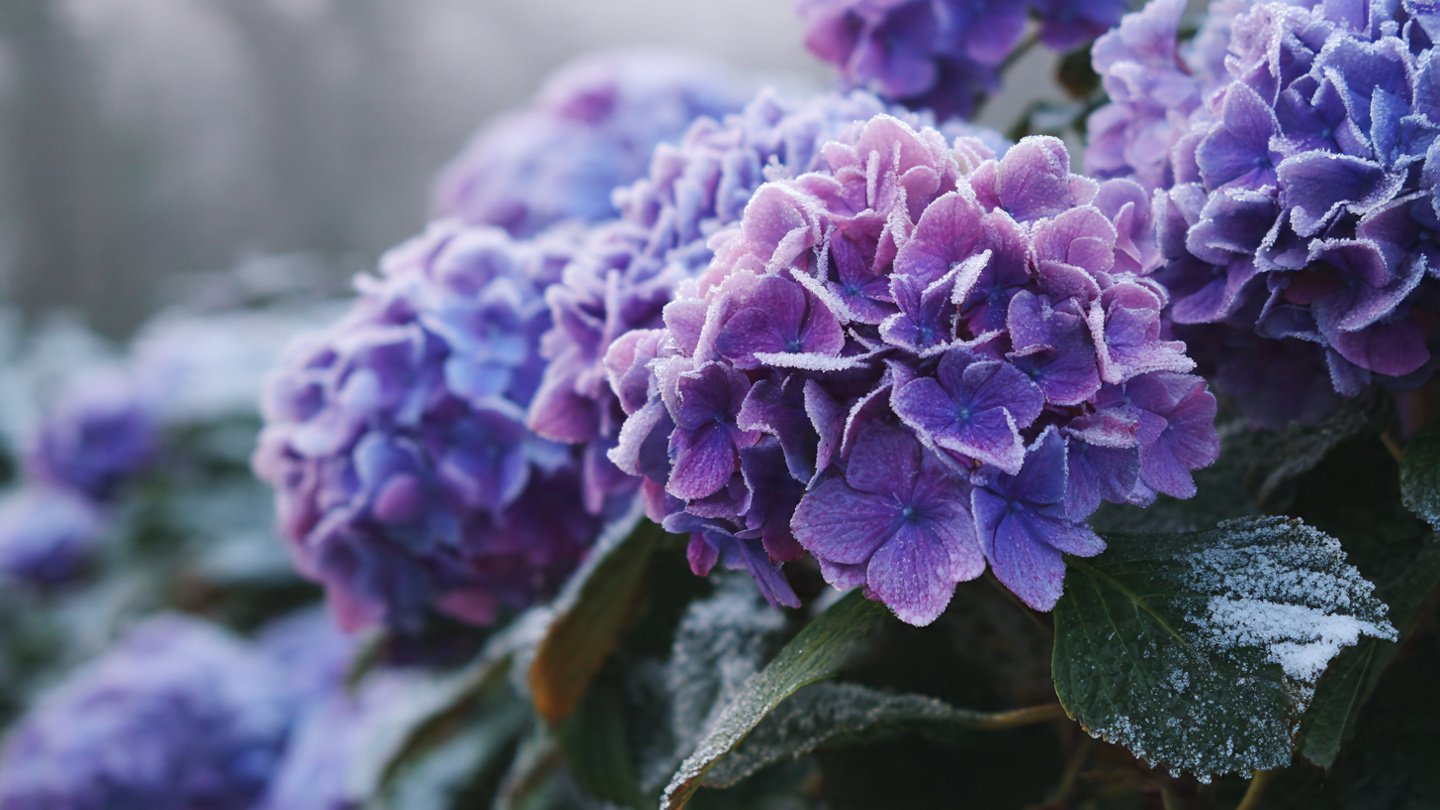
Hydrangeas are beloved shrubs, celebrated for their stunning blooms that can transform any garden into a visual masterpiece. However, many gardeners find themselves at a crossroads when it comes to the important task of pruning. While pruners are sharpened and ready, the choice of when to prune can greatly influence the health and beauty of these flowering plants. The issue is particularly contentious when it comes to winter pruning. In this article, we will explore the reasons to avoid winter pruning for hydrangeas, considering aspects from botanical health to aesthetic appeal.
The Biology of Hydrangeas
Before delving into the specifics of pruning, it is essential to understand the biology and growth habits of hydrangeas. Different species of hydrangeas possess unique pruning requirements based on when they bloom:
- Hydrangea macrophylla (Bigleaf hydrangeas) – Typically bloom on old wood, making winter pruning detrimental.
- Hydrangea paniculata (Panicle hydrangeas) – These bloom on new wood, meaning they can withstand winter pruning more robustly.
- Hydrangea quercifolia (Oakleaf hydrangeas) – Also bloom on old wood and should be pruned carefully to ensure upcoming blooms.
Reasons to Avoid Winter Pruning
1. Risk of Frost Damage
Winter pruning can expose the freshly cut areas of the plant to harsh winter conditions, including freezing temperatures and frost. This exposure can lead to tissue damage and stress the plant, ultimately negating the benefits that pruning is supposed to confer.
2. Timing of Bud Development
Hydrangeas require a specific timeline for bud development. Pruning in winter can disrupt this timeline, particularly for species that bloom on old wood. If you prune too early, you might inadvertently remove flower buds that were forming on last season’s growth.
3. Reduced Flower Production
In cutting away old wood, you risk limiting the number of flowers that can emerge in the coming season. For types like Hydrangea macrophylla, this can lead to fewer blooms or, in some cases, no blooms at all. Flower production is essential for not only the aesthetics of the garden but also for attracting pollinators.
4. Increased Susceptibility to Disease
Wounds left by winter pruning can serve as entry points for diseases and pests. The cooler, damp conditions of winter can create an ideal environment for pathogens to thrive. The cuts can harbor moisture, which can lead to rot and fungal infections.
5. Plant Stress
Winter can be a stressful time for plants. Pruning can add further stress, making hydrangeas more susceptible to environmental pressure. During winter months, plants usually enter a state of dormancy, and unnecessary pruning can disrupt this cycle.
6. Improper Growth Structure
Winter pruning can result in a poor growth structure for your hydrangeas. In a natural setting, these shrubs develop a specific form that may be disrupted by the indiscriminate cutting of stems. This can lead to uneven growth and a lack of symmetry.
When to Prune Hydrangeas
So, if winter pruning is not recommended for hydrangeas, when should you prune? The answer largely depends on the species:
- Hydrangea macrophylla – Prune in late spring, after new growth appears.
- Hydrangea paniculata – These can be pruned in early spring before new growth starts.
- Hydrangea quercifolia – Similar to macrophylla, these should be pruned in late spring.
By following the appropriate pruning schedule based on the species, you can enhance the health and bloom production of your hydrangeas.
Alternative Care Practices
Instead of winter pruning, consider focusing on other care practices that promote the health and sporadic blooming of hydrangeas:
- Mulching: Apply a layer of mulch to protect roots during the winter months.
- Watering: Ensure adequate moisture levels, especially in the fall before the ground freezes.
- Fertilizing: Use a balanced fertilizer to promote healthy growth and blooming. Fertilize in spring as new growth begins.
- Cleaning and Debris Removal: Regularly cleaning the surrounding area helps prevent pests and diseases from overwintering.
Conclusion
In summary, winter pruning is generally unfavorable for most hydrangeas due to the potential risks involved, including frost damage, reduced flower production, and susceptibility to disease. Understanding the growth habits and bloom cycles of your specific hydrangea variety is crucial to maintaining their health and beauty. By prioritizing proper timing and alternative care practices, you can enjoy a vibrant display of blooms each season without compromising the integrity of these cherished plants.
Frequently Asked Questions
- Is it ever okay to prune hydrangeas in winter?
- No, it is generally not recommended to prune hydrangeas in winter, especially those that bloom on old wood.
- What happens if I prune at the wrong time?
- Pruning at the wrong time may lead to fewer blooms, stressed plants, or even disease due to open wounds.
- Can I prune dead blooms in winter?
- Yes, removing dead or damaged blooms is acceptable. Just be cautious not to cut into live wood.
- How can I prepare my hydrangeas for winter?
- Focus on mulching, adequate watering, and general maintenance to protect your hydrangeas during the colder months.
- What type of fertilizer is best for hydrangeas?
- A balanced, slow-release fertilizer that is high in phosphorus is ideal for promoting blooms.