Korean Natural Farming (KNF) has gained remarkable traction and admiration worldwide, particularly as we delve into 2026. This farming method, which emphasizes sustainable practices and local resources, has attracted attention for a variety of reasons. As we explore this phenomenon, we will delve into the principles underpinning KNF, its ecological benefits, cultural significance, and the meaningful impact it has on agriculture, wellness, and even social structures.
At the heart of Korean Natural Farming are its fundamental principles, which focus on minimal intervention in the farming process, fostering a harmonious relationship between humans and nature. Developed by Dr. Cho Han-kyu in the 1960s, KNF is rooted in Asian agricultural traditions but has evolved into a modern approach that resonates with many contemporary challenges in agriculture. The core is the belief that nature has its own systems and processes capable of promoting healthy growth without synthetic chemicals or extensive agricultural inputs. Thus, KNF advocates for utilizing local microorganisms, organic inputs, and natural resources, creating an ecosystem that thrives on biodiversity.
The focus on local over global is increasingly appealing in today’s world, marked by climate change and food security crises. The global food supply chain has been fraught with vulnerabilities, and consumers are becoming more aware of the environmental impacts associated with factory farming. KNF addresses these issues by empowering local communities to grow their own food sustainably. By cultivating a deeper connection between consumers and their food sources, KNF promotes not only healthier diets but also bolstered local economies.
In 2026, we find a heightened awareness regarding ecological sustainability, resulting in consumers actively seeking methods that align with their values. The health of the planet is intricately connected to personal health, and people are more inclined to invest in farming techniques that nourish both. KNF emphasizes the importance of soil health, recognizing that healthy soils lead to nutritious food. This is appealing in an era when awareness around health and wellness is paramount.
Moreover, KNF is highly adaptable; farmers across the globe can modify techniques based on regional climates, soils, and crops. This versatility makes it an attractive option for those in diverse geographical locations. The practice incorporates indigenous knowledge and local resources, allowing farmers to create solutions specific to their environments. This decentralized model of agriculture is increasingly valuable as communities strive for resilience against economic and environmental shocks.
Education plays a significant role in the KNF movement. Numerous workshops, training sessions, and online platforms have become accessible, allowing aspiring farmers, hobbyists, and educators to engage with KNF principles and practices. Social media has played an instrumental role in spreading the word about KNF, allowing like-minded communities to connect and share experiences. As individuals learn about KNF, they recognize its potential not only for personal use but also as a means to inspire larger systemic societal changes.
The mental and emotional wellness benefits associated with KNF farming practices cannot be overlooked. Many participants report a sense of fulfillment, peace, and satisfaction that comes from cultivating their own food and being closely connected to the land. This trend reflects a broader societal movement towards mindfulness and a return to nature, serving as a counterbalance to the digital saturation of today’s world. Engaging with KNF can provide a restorative escape, allowing individuals to ground themselves while contributing positively to the environment.
Additionally, the aesthetic aspects of KNF resonate with modern sensibilities. The visual appeal of vibrant, diverse, and healthy gardens is often shared online, inspiring others to embrace this way of life. The concept of permaculture, which aligns closely with KNF, celebrates the beauty of interconnected ecosystems, inviting people to embrace the visual splendor that comes with biodiversity. In an age where wellness trends often emphasize aesthetics, the images of flourishing KNF farm plots capture the imagination and underscore the intrinsic value of ecological health.
Collaborative efforts are gaining traction in communities embracing KNF, leading to the establishment of networks and support systems. Farmers collaborating with local scientists and agronomists can exchange knowledge, improving practices and outcomes. This cooperative model encourages a sense of community, fostering resilience in the face of external pressures such as climate change and economic instability. Embracing KNF leads not only to healthier farming practices but also to stronger community ties, a concept that resonates deeply in an increasingly fragmented society.
As we move through 2026, technology continues to intersect with traditional farming practices in fascinating ways. Innovations in agricultural technology are often designed with sustainability in mind, and people are recognizing the value of marrying traditional methods like KNF with modern advancements. For instance, precision agriculture tools can complement KNF techniques by providing vital data about soil health and crop performance, optimizing outputs while reducing environmental impact.
Furthermore, entrepreneurs are leveraging KNF philosophies in agritech startups, creating financial opportunities for local communities. By developing sustainable products and services that align with KNF principles, these businesses are driving new economic models based on ecological responsibility. This trend signals a shift in how society valorizes agricultural endeavors, considering not just financial gain but also long-term environmental health.
The global migration towards more plant-based diets also links closely with the hyped interest in KNF practices. As individuals become more aware of the environmental impact of animal agriculture, they seek sustainable plant-based food sources. KNF practices prove beneficial in producing diverse crops, which directly supports broader dietary shifts. With an increasing emphasis on nutrition and health, this farming method aligns naturally with modern culinary trends that celebrate whole, fresh, and local ingredients.
The cultural narratives surrounding food continue to evolve in our interconnected world, and KNF practices are at the forefront of these changes. People are not merely consuming food; they are seeking stories behind it, searching for authenticity and connection. As consumers become more conscious of the origins of their food and the ecological impacts of their choices, KNF provides a compelling narrative steeped in tradition, sustainability, and community autonomy.
Despite its many strengths, the road to wider acceptance of Korean Natural Farming is not without challenges. There may be skepticism from traditional agricultural sectors that rely on conventional methods and chemical inputs. However, as peer-reviewed studies, successful case studies, and increasing anecdotal evidence emerge, the confidence in KNF will likely continue to grow. The adaptability and innovative aspects of KNF empower farmers to experiment and find what works best for their unique situations, driving both acceptance and improvement.
Moreover, the transition toward sustainable farming practices demands ongoing education and advocacy. As recognition of the principles of KNF gains traction, activists and proponents are urged to keep educating communities about its merits. This movement is fueled not just by farmers but also by consumers urging for change and support for local farming initiatives. The future looks promising, provided awareness and understanding continue to spread.
As we step further into 2026, the infatuation with Korean Natural Farming offers more than just a trend; it symbolizes a fundamental shift in how people perceive and engage with food, health, and the environment. This transformation has the potential to reshape societal norms around agriculture, local economy, and community resilience. The path ahead calls for collaboration, creativity, and unwavering commitment to sustainability, but the rewards promise a healthier planet and a more resilient society for generations to come.
In conclusion, the fascination with Korean Natural Farming in 2026 represents a beautiful intersection of tradition, sustainability, community, and innovation. It invites us to rethink our relationship with food and the environment while offering tangible solutions that are increasingly vital in our rapidly changing world. As more people embrace this philosophy, the momentum surrounding KNF can only enhance the collective understanding of the profound consequences of our agricultural practices. The future of farming may very well rest in these hands, crafting a narrative attuned to the rhythms of nature and the health of our communities.
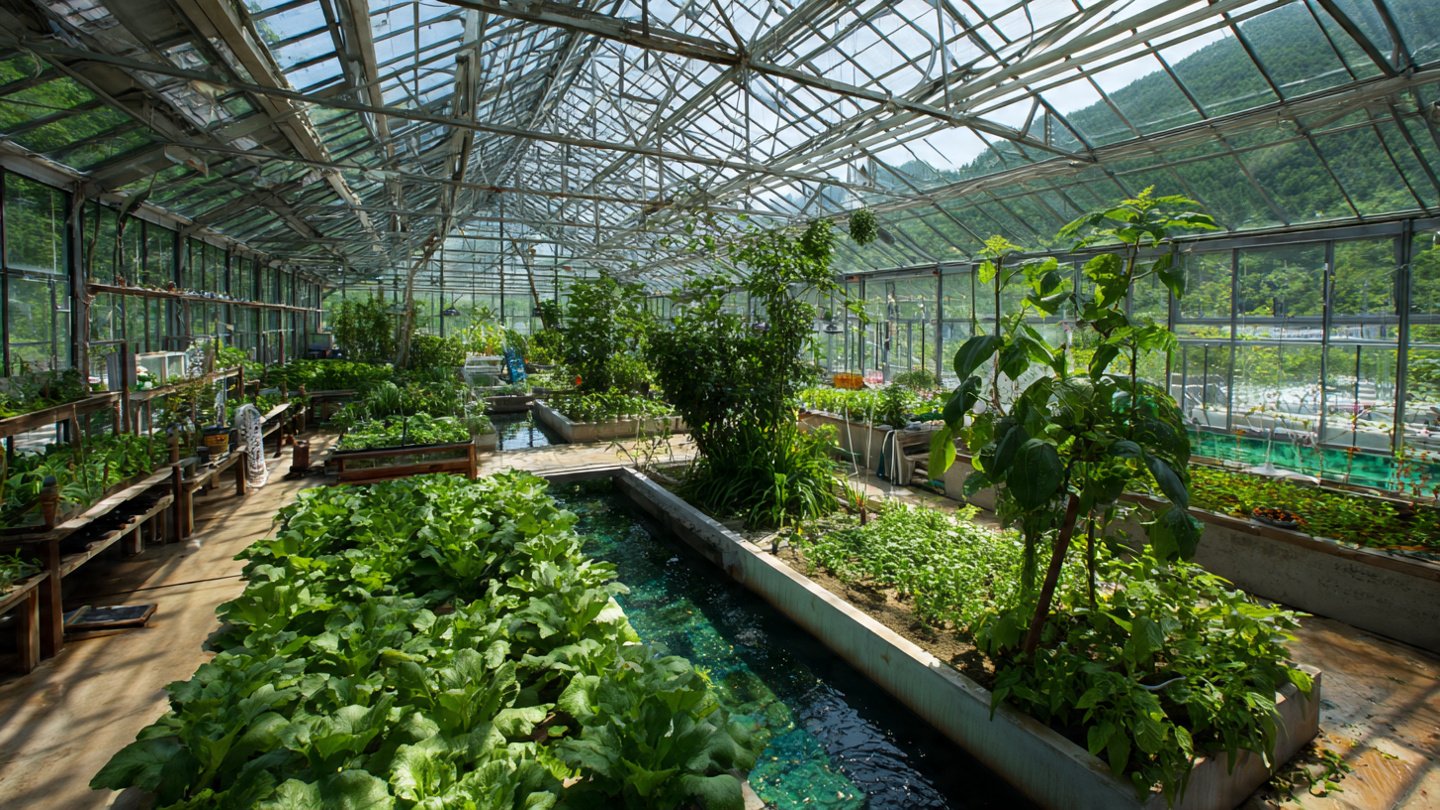
Why Is Everyone So Infatuated with Korean Natural Farming in 2026?
Yezdi Roadster 2026 Launched: Smooth Engine, Muscular Cruiser Design, Advanced Features
EPFO Pension New Rules 2026: Salary Limit Changed, Pension Will Increase
2026 Rolls-Royce Motorhome Redefining Ultra-Luxury Road Travel With Timeless Elegance
Motorola New Smartphone With 420MP Camera, 7700mAh Battery at ₹9,900
Motorola Razr 50 Ultra New 5G Foldable Smartphone With Attractive Design, 165Hz Display
Nokia 2660 Flip 4G Beautiful Design Flip Keypad Phone With 12MP Camera at Just ₹2,500
Motorola Unveiled Stunning Design Smartphone With 250MP Camera, 16GB RAM and 95W Superfast Charging
Vivo V50 Lite 5G Smartphone Launched With 3 Days Battery Backup, 6.77-Inch AMOLED Display at ₹19,000
Honor X9c Smartphone With 144Hz Display, 70W Charging and Circle Design Camera
Oppo Premium 5G Smartphone With 250MP Camera and 7800mAh Battery
Infinix 5G Smartphone Launched With 12GB RAM, 200MP Camera and Flagship-Level Design
Tata Nano EV 2026: Affordable Electric Car With 300km Range Starting at ₹3.5 Lakh in India
Day Will Turn Slowly to Night During the Longest Total Solar Eclipse of the Century Across Several Regions
Maruti Suzuki Grand Vitara 2026 With 2.8L Petrol Engine Delivers 37kmpl Mileage and Luxury Features
Galaxy S23 Ultra 5G With 108MP AI Camera and Fabulous Design
Yamaha XSR 155 2026 Launched With Smooth Engine, Neo-Retro Design and Advanced Features
Day Will Slowly Turn to Night as the Longest Total Solar Eclipse of the Century Creates a Rare and Spectacular Event
Known as the Black Gold of Agriculture, Chernozem Soil Helped Turn Ukraine, Russia and Kazakhstan Into Global Breadbaskets
Light Will Disappear for Minutes: Experts Warn an Extraordinary Solar Eclipse Is Approaching
Vivo Y21d Budget-Friendly Smartphone With 6000mAh Battery Launched
Triumph Scrambler 400 X 2026 Launched With Rugged Design, Torque-Rich Engine and Modern Features
Oppo A6 Pro Smartphone With 50MP Dual Camera and 256GB Storage
Tecno Pova Slim 5G Smartphone With 6.78-Inch 3D Curved Display at ₹17,000
New Maruti Brezza 2026 Stylish Compact SUV With 35 km/l Mileage, Luxury Features and Smart Tech
Age Pension Update 2026: $1,179 Increase Announced – Who Qualifies
Realme Narzo 90 Smartphone With Sleek Design and 7000mAh Battery
Vivo New Phone With 300MP Camera and 7600mAh Battery at ₹9,600
Poco M7 Plus 5G With Snapdragon Processor and 144Hz Display at Just ₹10,000
OnePlus Nord CE 5 5G Smartphone With 80W SuperVOOC Charging and 256GB Storage at ₹20,000
Redmi New 5G Phone Launched in India With 108MP Camera and Curved AMOLED Screen