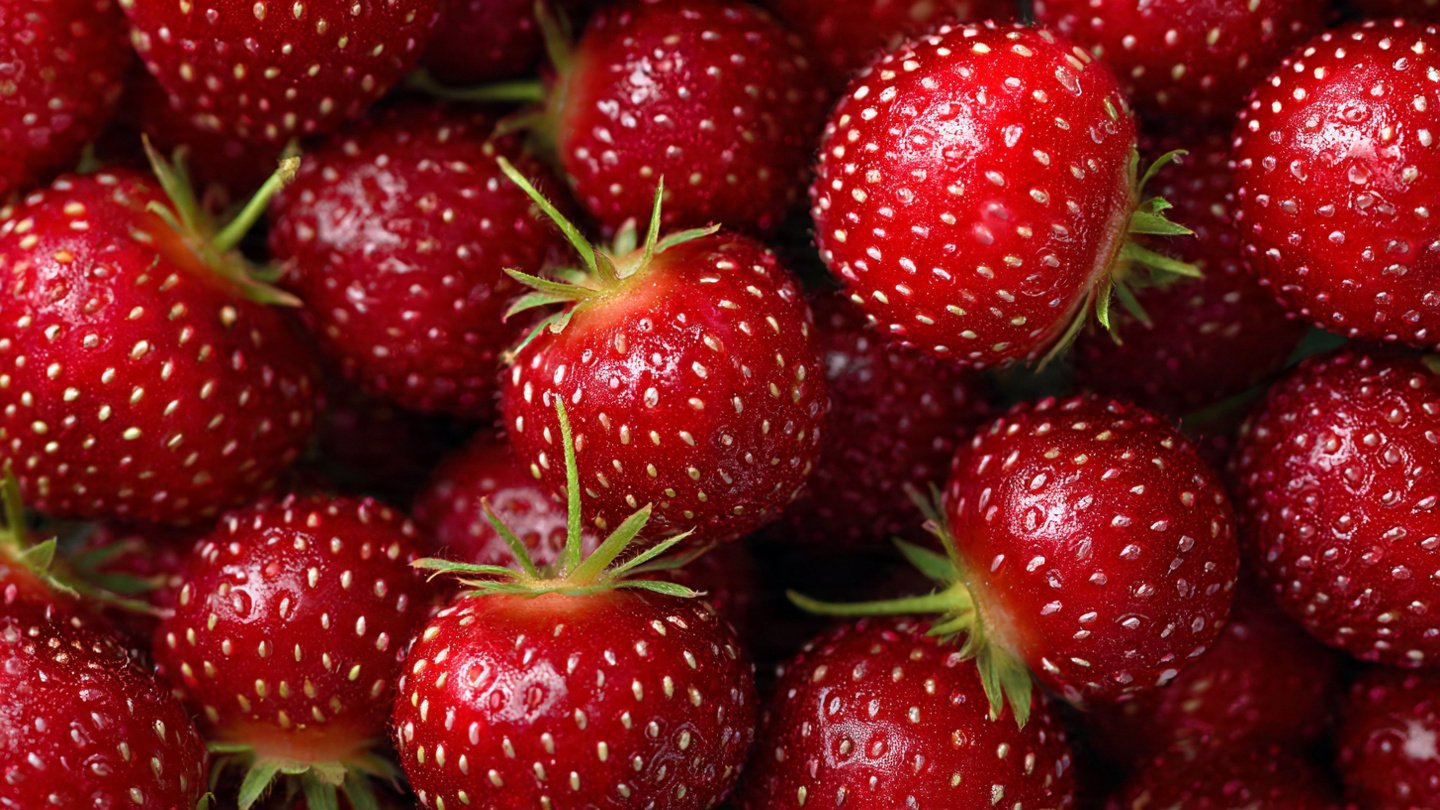
Strawberries are a beloved fruit in many households, providing a burst of sweetness in desserts, salads, and beverages. However, many backyard gardeners and berry enthusiasts find themselves perplexed when their strawberries turn out small and sour instead of the juicy, vibrant fruit they expected. This article aims to explore several factors that contribute to the size and taste of strawberries, and how growers can improve their yield and flavor.
1. Variety of Strawberry
The type of strawberry being grown plays a crucial role in the size and flavor of the fruit. There are numerous varieties of strawberries, each with unique characteristics:
- June-bearing: These produce a single, large crop each year and are typically sweet and juicy.
- Ever-bearing: These berries yield fruit throughout the growing season but may be smaller and less sweet.
- Day-neutral: These varieties produce continuously regardless of day length but can also yield fruit that is smaller.
Choosing the right variety for your climate and personal taste preferences is crucial. If you consistently find that your strawberries are small and sour, consider trying different varieties known for their size and sweetness.
2. Soil Conditions
Strawberries thrive in well-draining, nutrient-rich soil. The soil’s pH level greatly affects strawberry development, with an ideal range between 5.5 and 6.8.
Common issues related to soil include:
- Low pH: If the soil is too acidic, it can hinder the plant’s ability to absorb nutrients.
- Nutrient Deficiencies: Key nutrients like nitrogen, phosphorus, and potassium are vital for healthy growth.
- Compacted Soil: Compacted soil can restrict root growth, leading to smaller fruit.
Testing your soil and amending it with organic matter can significantly improve your strawberry plants’ health and fruit quality.
3. Watering Practices
Watering is a delicate balance—too much or too little can affect the size and flavor of your strawberries. Here are some tips:
- Consistent Watering: Strawberries require regular watering, especially during dry spells. Inconsistent watering can lead to stress, making berries smaller and sour.
- Watering Techniques: Drip irrigation or soaker hoses can help maintain consistent moisture levels while avoiding water on the leaves, which can lead to fungal diseases.
Managing your watering practices is essential for optimal fruit development. Keep the soil consistently moist but not soggy.
4. Sunlight Exposure
Strawberries need full sun to thrive, requiring at least six to eight hours of direct sunlight daily. Insufficient sunlight can cause poor growth and lackluster fruit. Symptoms of inadequate light include:
- Small, weak plants with fewer flowers and fruit
- Leaves that turn yellow and fall off
If your garden or strawberry patch is shaded by trees or buildings, consider relocating your plants to a sunnier spot to maximize their growth potential.
5. Pests and Diseases
Strawberries are susceptible to various pests and diseases that can affect fruit size and flavor. Some common pests include:
- Aphids: These tiny insects can siphon nutrients from the plant.
- Spider Mites: These can cause leaf damage, impacting overall plant health.
Diseases such as powdery mildew and botrytis (gray mold) can also hinder fruit quality. Regular pest control measures, such as using organic pesticides or beneficial insects, can help maintain healthy plants, leading to better fruit production.
6. Harvesting Time
Timing is essential when it comes to harvesting strawberries. Picking them too early can result in sourness, while waiting too long may cause overripening, leading to mushy and compromised fruit.
Here are some tips for optimal harvesting:
- Harvest when berries are fully red and firm.
- Gently twist or cut the berry from the stem to avoid damaging the fruit or plant.
Paying attention to timing can maximize flavor and reduce waste.
7. Temperature Fluctuations
Strawberries are sensitive to temperature, which can affect their growth and taste. High temperatures can lead to smaller fruit and bitterness, while low temperatures can damage blossoms. Proper temperature management includes:
- Providing shade during extremely hot days to cool plants.
- Using row covers to protect against frost during late spring or early fall.
Being mindful of temperature extremes helps ensure ideal growing conditions.
Conclusion
Finding small and sour strawberries can be disappointing for any gardener or berry lover. However, by paying attention to the factors outlined in this article—variety selection, soil quality, watering practices, sunlight exposure, pest management, harvesting time, and temperature fluctuations—you can significantly improve both the size and flavor of your strawberries. Gardening requires patience and persistence, but with the right strategies, you’ll be rewarded with delicious, thriving fruit.
FAQs
1. What is the best soil type for growing strawberries?
Well-draining, loamy soil rich in organic matter is ideal for strawberries. A slightly acidic pH (5.5 to 6.8) is preferred.
2. How can I improve the sweetness of my strawberries?
Ensure your plants receive enough sunlight, consistent watering, and proper fertilization. Harvest them at peak ripeness for the best flavor.
3. How often should I water my strawberry plants?
Strawberries should be watered regularly, especially during dry periods. Aim for about 1 to 1.5 inches of water each week, adjusting for rainfall.
4. Should I use fertilizers on my strawberry plants?
Yes, using a balanced fertilizer with nitrogen, phosphorus, and potassium can help enhance growth and fruit quality, especially at planting time and during the growing season.
5. Can I grow strawberries in containers?
Absolutely! Strawberries grow well in containers, provided they have adequate drainage and enough sunlight. Just remember to choose the appropriate variety for container growth.