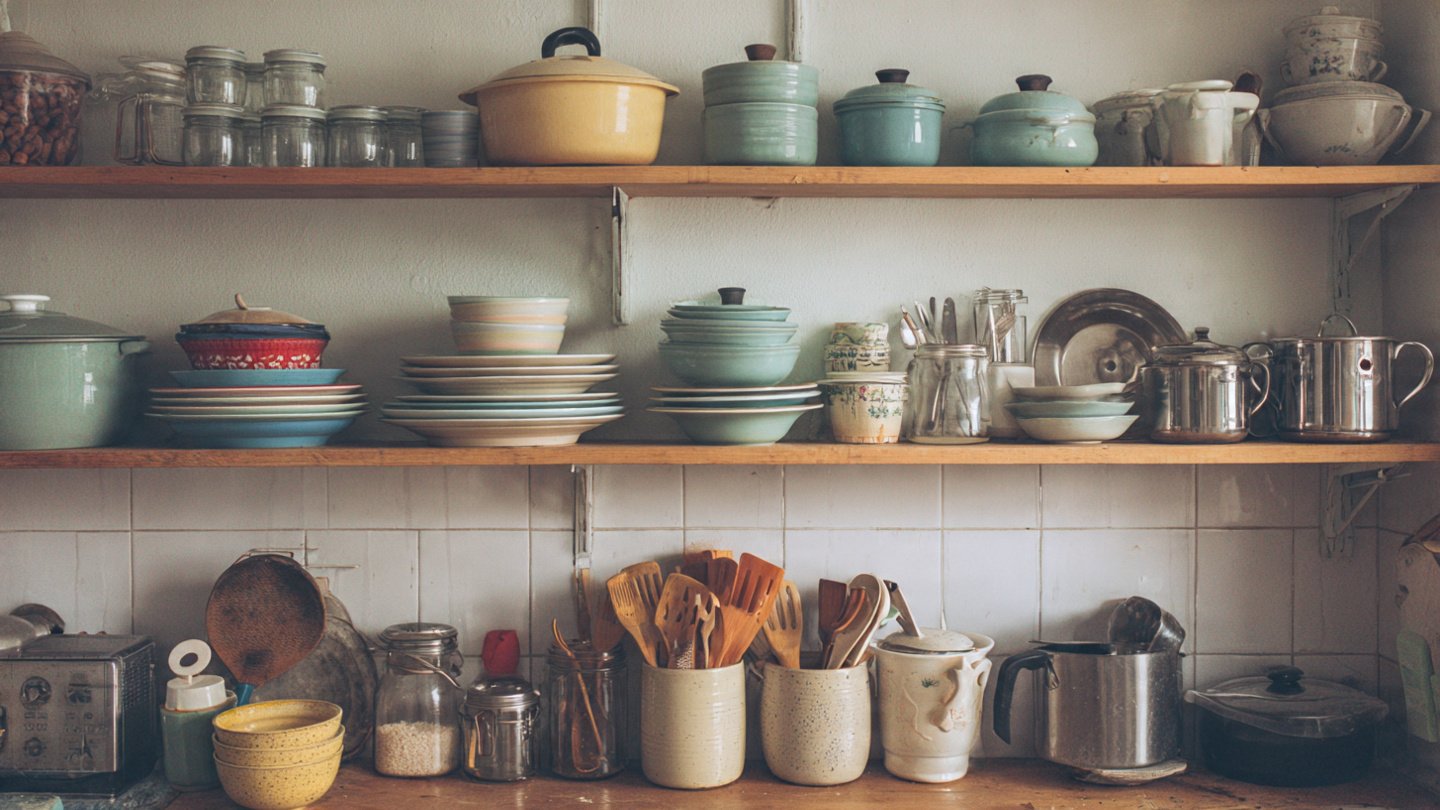
The kitchen is often described as the heart of the home. It’s where meals are prepared, family members gather, and memories are created. But despite its importance, many people struggle with kitchen clutter, watching in dismay as their once-organized space quickly becomes chaotic again. In this article, we will explore the reasons behind the rapid reappearance of kitchen clutter and offer practical strategies for maintaining an organized space.
1. The Busy Nature of Modern Life
1.1 The Impact of a Fast-Paced Lifestyle
Today’s lifestyles are busier than ever. With work, school, social events, and countless other obligations, it’s no surprise that many people find it challenging to keep their kitchens tidy. The constant need to prepare meals while juggling other responsibilities can lead to shortcuts, resulting in clutter accumulating quickly.
1.2 Meal Preparation Bottlenecks
In the hustle and bustle of daily life, meal preparation can become a bottleneck. When cooking, it’s common to pull out numerous utensils, ingredients, and appliances, often leading to a messy countertop. If there isn’t time to put everything back in its place after cooking, the clutter will remain.
2. The Overabundance of Items
2.1 Excessive Kitchenware
Many households contain far more kitchen items than they actually need. From specialized gadgets to a variety of pots and pans, the abundance of kitchenware can contribute significantly to clutter. Over time, it becomes difficult to find and utilize the items you actually use regularly.
2.2 The Psychological Impact of Having Too Much
The more items people own, the less likely they are to put them away after use. This phenomenon—known as decision fatigue—occurs when individuals are overwhelmed by too many choices. When faced with an array of cooking tools or containers, a person may simply leave them on the counter instead of putting them away.
3. Lack of Effective Organizational Systems
3.1 Insufficient Storage Solutions
Many kitchens lack sufficient organization systems. Poorly designed cabinets, inadequate drawer space, and a lack of designated areas for specific items can make it difficult to maintain order. Clutter tends to reappear quickly in spaces where everything is haphazardly stored.
3.2 Ineffective Use of Vertical Space
Many kitchens waste vertical space by not utilizing shelves or hooks effectively. In many cases, homeowners focus solely on horizontal space, resulting in overcrowded counters and cabinets. Utilizing vertical space effectively can significantly alleviate kitchen clutter.
4. Emotional Attachments and Hoarding Tendencies
4.1 Sentimental Value of Kitchen Items
Some kitchen items hold sentimental value—perhaps a beloved mixing bowl passed down through generations or a set of knives gifted by a friend. These attachments can lead to the inclusion of unnecessary items in the kitchen, which can contribute to clutter.
4.2 The Fear of Letting Go
Many people fear letting go of items that they might use someday or that hold emotional significance. This fear can lead to the accumulation of items, making it difficult to maintain an organized kitchen.
5. Ineffective Cleaning Habits
5.1 Inconsistent Cleaning Routines
Another reason for rapidly accumulating clutter is the inconsistency in cleaning habits. Without regular cleaning and tidying routines, it’s easy for clutter to pile up. Regular maintenance is crucial in keeping things organized.
5.2 The “Out of Sight, Out of Mind” Mentality
Sometimes, when items are stored away out of sight, such as in cabinets or pantries, they can be forgotten. People may not remember to return them to their designated places, leading to disorganization and clutter.
6. The Role of Family Dynamics
6.1 Shared Spaces and Responsibilities
In family homes, shared spaces can become battlegrounds for clutter. Each family member may have different ideas about organization and cleanliness, leading to disagreements that can hinder effective organization efforts. When everyone contributes to the mess, it becomes increasingly challenging to keep the kitchen clutter-free.
6.2 Kids and Kitchen Chaos
Families with children often struggle with managing kitchen clutter as kids may not be aware of the importance of organization. School projects, snack items, and playtime crafts often spill over into the kitchen, complicating efforts to maintain cleanliness.
7. Lack of Time for Maintenance
7.1 The Illusion of Finding Time Later
Many people fall into the trap of thinking they’ll find time to tidy up later. However, as days turn into weeks, that clutter builds, making it even harder to tackle in the long run. The longer clutter is left unattended, the more overwhelming it can become.
7.2 Procrastination and Clutter
Procrastination can become a consistent habit in managing kitchen organization. Delaying putting things away, plans to clean, or organizing can lead to significant clutter accumulation. Developing a habit of addressing clutter as it appears is key.
8. The Importance of Mindful Decluttering
8.1 Regular Reviews of Kitchen Items
Taking the time to reassess what you truly need in the kitchen can help prevent clutter from returning. Regularly reviewing items and removing those that are no longer necessary ensures that your kitchen maintains its functionality.
8.2 Emphasizing Quality Over Quantity
Buy only what you need or love, and focus on the quality of kitchen items rather than quantity. Invest in multi-functional tools that can serve several purposes, reducing the overall number of items in your kitchen.
9. Strategies for Maintaining an Organized Kitchen
9.1 Daily Cleaning Habits
Establishing a daily cleaning habit can greatly reduce clutter. Make it a practice to clean the kitchen for just a few minutes each day. Wiping down counters and putting items back in their designated spots can go a long way in preventing clutter from piling up.
9.2 Creating Zones in the Kitchen
Divide your kitchen into zones, each designated for specific activities or types of items. For instance, create a baking zone, prep zone, and cooking zone. This organization makes it easier to know where to return items after use, reducing clutter.
9.3 Involving Family Members
Encouraging family members to participate in maintaining kitchen order can alleviate the burden on one individual and help to develop a shared sense of responsibility. Create a chore chart or involve kids in cleaning up after meals to teach them valuable organization skills.
9.4 The One In, One Out Rule
Implementing the “one in, one out” rule can help keep your inventory in check. For every new item brought into the kitchen, an old one must be removed. This method prevents unnecessary accumulation and encourages mindful purchasing.
Conclusion
Kitchen clutter can feel like a never-ending battle, but by understanding the reasons why it reappears so quickly, individuals can take proactive steps to combat the issue. Through mindful decluttering, establishing effective organizational systems, and fostering good cleaning habits, maintaining a tidy kitchen becomes an attainable goal. Remember that organization is a journey, not a destination; it requires continuous effort and vigilance, but with the right strategies in place, a clutter-free kitchen is within reach.