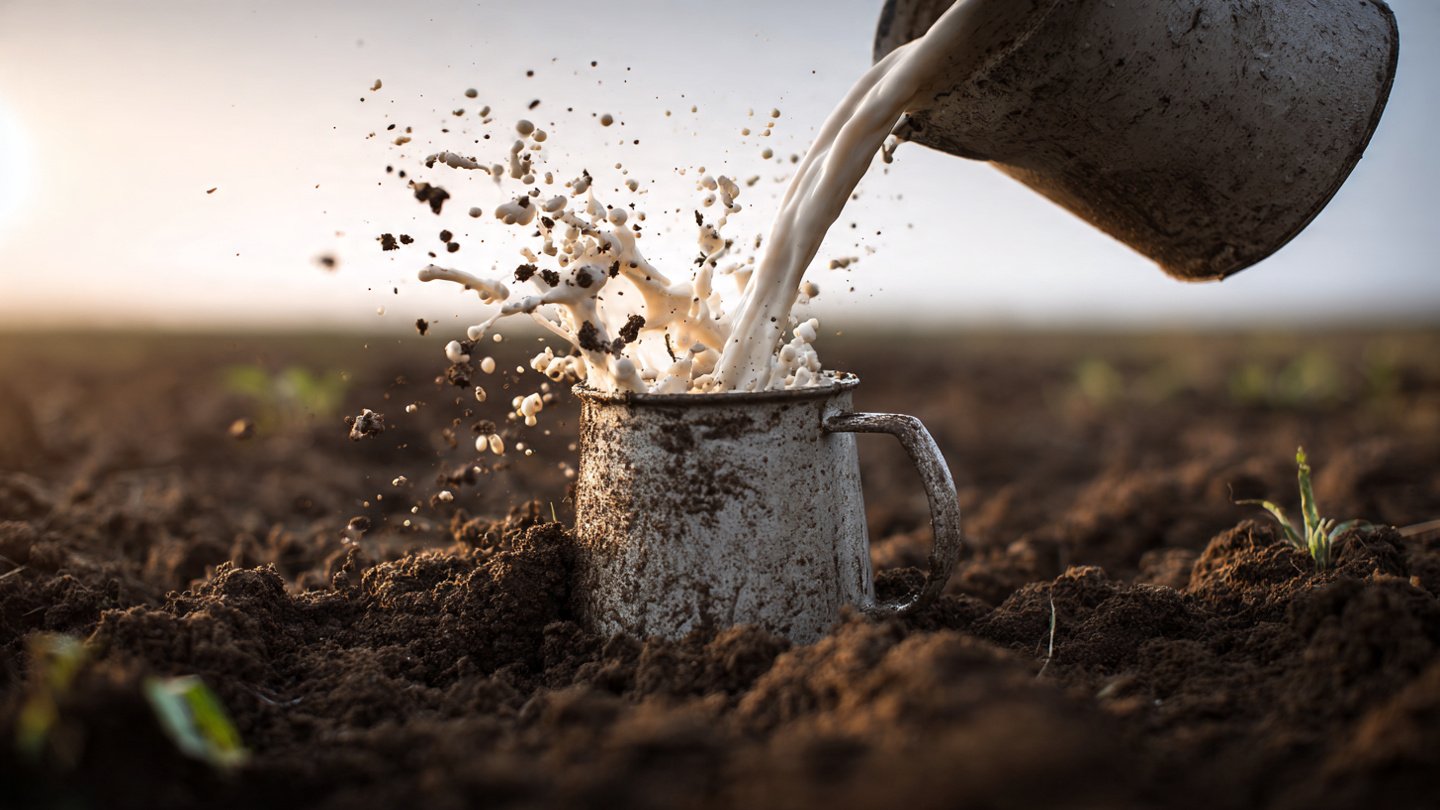
When it comes to gardening and soil nourishment, many people think of fertilizers and compost. However, an unexpected ingredient has been gaining attention lately: milk. While some might be skeptical about adding dairy products to their soil, the benefits of milk in gardening are more diverse and significant than many realize. From enriching the soil to offering pest protection, let’s explore the surprising advantages of incorporating milk into your gardening routine.
1. Nutrient-Rich Composition
Milk is a nutritious liquid that contains essential nutrients such as calcium, potassium, and phosphorus. These nutrients play a crucial role in plant health and development:
- Calcium: Essential for root and leaf development, calcium helps strengthen plant cells, promoting sturdier plants.
- Potassium: This nutrient aids in water regulation and overall plant vigor, enhancing flowering and fruiting.
- Phosphorus: Vital for energy transfer and photosynthesis, phosphorus stimulates root growth and improves overall plant health.
By adding milk to your soil, you can effectively boost these vital nutrients, leading to healthier plants and more abundant harvests.
2. Soil Structure Improvement
Soil structure is fundamental for healthy root development and efficient nutrient uptake. Milk can positively impact soil structure through its proteins and fats:
- The proteins in milk can help bind soil particles together, creating a more stable soil structure.
- Fats and other organic compounds in milk can improve soil aeration and drainage, providing an ideal environment for root growth.
This enhanced soil structure promotes better water retention, reduces erosion, and supports a thriving ecosystem of beneficial microorganisms.
3. Disease Prevention
One of the most remarkable benefits of milk is its potential to combat plant diseases. Milk contains antimicrobial properties that can inhibit the growth of certain pathogens:
- Fungal Diseases: Studies have shown that spraying plants with milk can effectively reduce the incidence of fungal diseases such as powdery mildew.
- Bacterial Infections: The lactic acid bacteria present in milk also fight against harmful bacterial pathogens, improving plant resistance.
Using milk as a preventive measure can decrease the need for chemical fungicides and antibiotics, creating a healthier garden environment.
4. Pest Deterrent
In addition to disease prevention, milk can help deter certain pests from invading your garden. The proteins and fats in milk create an unfavorable environment for pests:
- Slugs and Snails: A milk solution can act as a natural repellent, reducing the prevalence of these common pests.
- Whiteflies and Aphids: Spraying milk can decrease the population of these sap-sucking pests that often plague gardens.
By incorporating milk into your pest control strategy, you can reduce chemical pesticide use while maintaining a healthy ecosystem.
5. Boosting Microbial Activity
Healthy soil is alive with microorganisms that play a vital role in nutrient cycling and organic matter decomposition. Milk can enhance this microbial activity:
- The lactose present in milk serves as a food source for beneficial bacteria, promoting their growth and activity.
- Increased microbial activity accelerates the breakdown of organic matter, releasing more nutrients for plant use.
By enriching your soil with milk, you foster a thriving microbial community that supports sustainable plant growth.
6. Cost-Effective Solution
Using milk in your garden can be a cost-effective alternative to commercial fertilizers and treatments. Here’s why:
- Leftover milk or milk nearing its expiration can be put to use, reducing waste and benefiting your garden simultaneously.
- Generally less expensive than many gardening products, milk offers an economical way to enhance soil health.
Utilizing milk not only saves you money but also contributes to a more sustainable gardening practice.
7. Easy Application Methods
Integrating milk into your gardening routine is simple and can be tailored to your needs:
- Soil Drench: Dilute milk with water (1 part milk to 4 parts water) and pour it directly into the soil around the roots of your plants.
- Foliar Spray: Mix milk with water (1 part milk to 2 parts water) in a spray bottle and lightly mist your plants, particularly on the leaves.
These straightforward application methods make it easy for any gardener to incorporate milk into their routine.
Conclusion
Incorporating milk into your gardening practices offers numerous benefits that extend beyond simple soil nourishment. From enhancing nutrient profiles to improving soil structure, preventing diseases, deterring pests, and boosting microbial activity, milk is a surprising ally for gardeners seeking sustainable solutions. Its cost-effectiveness and ease of application further solidify its place as a natural gardening resource. So next time you have leftover milk, consider pouring it into your garden instead of the sink. Your plants will be grateful!
FAQs
1. Can any type of milk be used in the garden?
While any dairy milk can be used, it’s best to avoid flavored or sugary varieties. Whole milk and low-fat milk are ideal choices, while non-dairy alternatives may not provide the same benefits.
2. How frequently should I apply milk to my garden?
You can apply milk every 2-4 weeks, depending on your plants’ needs. Regular applications can help maintain soil health and prevent disease.
3. Can milk harm my plants if used too much?
While small amounts are beneficial, over-application can lead to sour soil and attract unwanted pests. Always dilute milk and apply it judiciously.
4. Is milk effective against all pests and diseases?
Milk can help deter some pests and reduce specific diseases but is not a panacea. It works best as part of an integrated pest and disease management strategy.
5. Can I use expired milk?
Yes, expired milk can still be effective in the garden. Just be cautious about any strong odors and ensure it’s not spoiled to the point of being unmanageable.