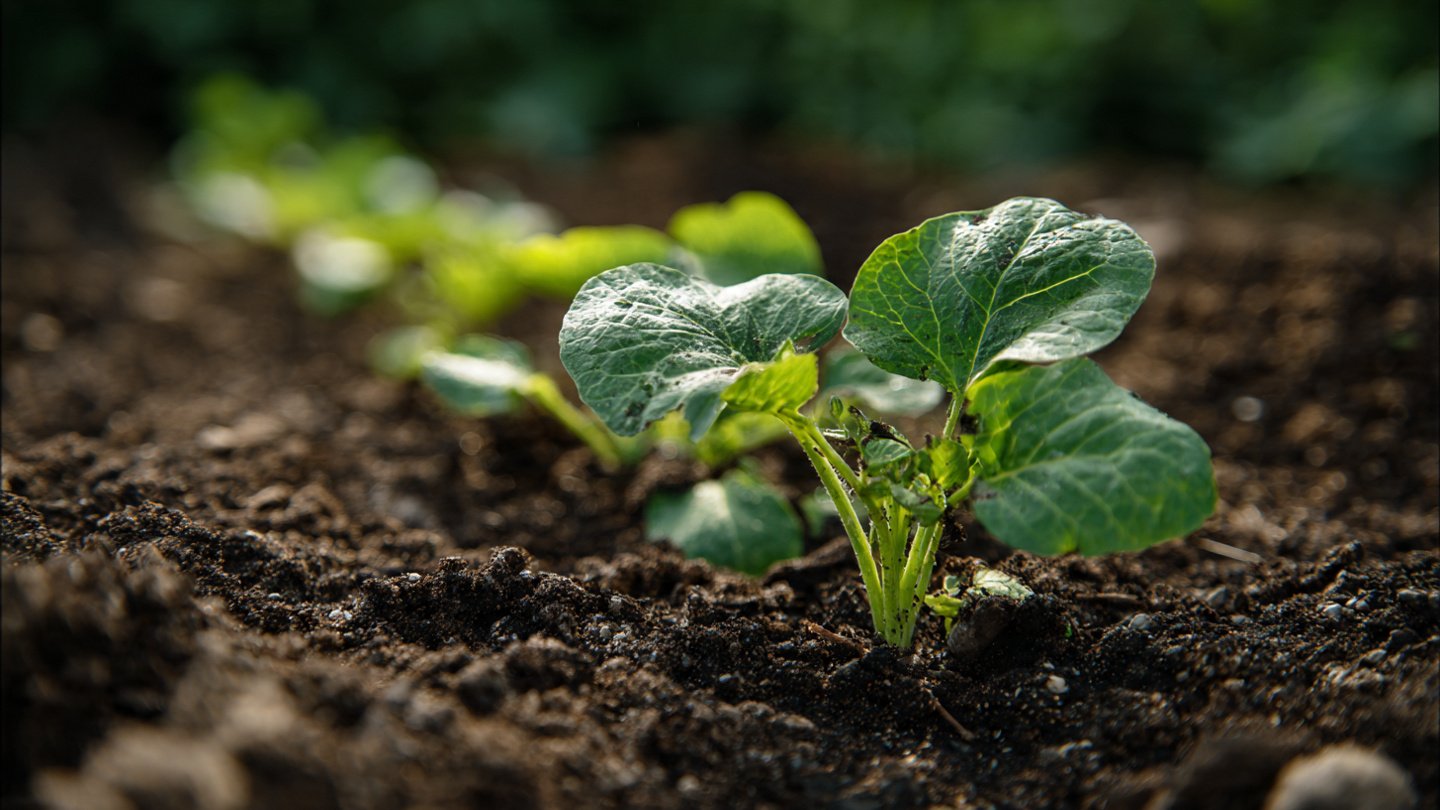
In the world of gardening and agriculture, the health of the soil is paramount. It is often said that healthy plants begin with healthy soil. One surprising and effective way to enhance soil health is by using molasses. Derived from sugarcane or sugar beet after the extraction of sugar, molasses serves as a powerful tool for improving soil microbial activity, leading to healthier plants. In this article, we will explore how molasses can transform your soil microbes and benefit your plants.
The Role of Soil Microbes
Soil is not simply an inert medium that holds plants in place; it is teeming with life. Soil microbes—including bacteria, fungi, protozoa, and nematodes—play crucial roles in the soil ecosystem. They help decompose organic matter, cycle nutrients, and promote plant health. Healthy soil microbiomes are essential for:
- Breaking down organic matter into vital nutrients.
- Suppressing soil-borne diseases.
- Improving soil structure and aeration.
- Enhancing water retention capabilities.
When the soil microbiome is balanced and thriving, plants can access the nutrition they need, grow stronger, and develop resistance to pests and diseases. So, how does molasses fit into this equation?
What is Molasses?
Molasses is a thick, syrupy byproduct that comes from the sugar extraction process. It is rich in sugars, vitamins, and minerals, making it an excellent additive for soil health. Its primary components include:
- Simple and complex carbohydrates (sugars)
- Essential micronutrients such as iron, calcium, potassium, and magnesium
- Organic acids, amino acids, and antioxidants
It’s important to note that there are different types of molasses, including light molasses, dark molasses, and blackstrap molasses. Among these, blackstrap molasses is the most nutrient-dense and widely recommended for soil applications due to its high mineral content.
How Molasses Affects Soil Microbes
The impact of molasses on soil microbes can be observed through several key mechanisms:
1. Energy Source for Microbes
Molasses provides a rich source of carbohydrates that serve as an immediate food source for soil microbes. When added to the soil, the sugars in molasses stimulate microbial activity, leading to a greater population of beneficial microorganisms. This surge in microbial activity leads to enhanced decomposition of organic matter, resulting in improved nutrient availability for plants.
2. Enhancing Soil Biodiversity
Diverse microbial communities are critical for a healthy ecosystem. The sugar content in molasses encourages the proliferation of various beneficial bacteria and fungi, allowing them to establish a balanced microbial ecosystem. A diverse soil microbiome reduces the likelihood of pathogenic organisms and pests that can harm plant health.
3. Improving Soil Structure
Healthy microbes help bind soil particles together, improving soil structure. When molasses enhances microbial activity, it leads to the formation of soil aggregates, which improve aeration, water infiltration, and drainage. This enhanced structure allows roots to grow more vigorously, accessing nutrients and water more effectively.
4. Nutrient Cycling
The application of molasses improves nutrient cycling in the soil. Beneficial microbes break down organic matter into essential nutrients such as nitrogen, phosphorus, and potassium, making them more available to plants. This process not only nurtures plants but also contributes to sustainable soil fertility, allowing for long-term cultivation without depleting the soil.
Application of Molasses in Soil Management
Applying molasses in your garden or farm can be straightforward and effective. Here are some approaches to effectively use molasses for soil health:
1. Molasses Tea
One of the most popular methods is to create molasses tea. This is done by mixing 1 cup of molasses in 5 gallons of water. Allow this mixture to sit for 24 hours, allowing it to aerate. Once prepared, it can be applied directly to the soil or as a foliar spray on plants.
2. Soil Drench
For a more concentrated application, mix molasses with compost tea. This mixture acts as a soil drench, delivering nutrients directly to your plant roots. Use one cup of molasses per 5 gallons of compost tea for optimal results.
3. Composts and Fertilizers
Incorporating molasses into compost is another effective technique. Mixing molasses into your compost pile helps accelerate microbial activity, resulting in quicker decomposition and a richer compost. Use about ½ cup of molasses for every cubic yard of compost material.
4. Multiple Applications
Regular applications of molasses—about every 4 to 6 weeks during the growing season—can significantly enhance soil microbial activity and overall soil health. However, caution should be taken not to overapply, as excess sugars could lead to unwanted fungal growth.
Limitations and Considerations
While molasses can be incredibly beneficial for soil health, it is not a one-size-fits-all solution. It is crucial to consider the following:
- Soil Testing: Before applying molasses, conduct a soil test to understand your soil’s nutrient levels and pH balance.
- Balance: Avoid combining molasses with excessive fertilizers, as this can lead to nutrient competition among microbes.
- Application Rate: Stick to recommended application rates, as overuse may lead to adverse effects, including harmful fungal growth.
Conclusion
Molasses can serve as a transformative agent for your soil microbiome, enhancing microbial activity, promoting biodiversity, and improving nutrient cycling, leading to healthier plants. The incorporation of molasses into your gardening or farming practices can create a balanced ecosystem and foster long-term soil health. Embracing this natural resource not only enriches your soil but also aligns with sustainable agricultural practices, promoting both environmental and plant well-being.
FAQs
1. Can I use regular kitchen molasses in my garden?
Yes, regular kitchen molasses can be used, but blackstrap molasses is preferred due to its higher nutrient content.
2. How often should I apply molasses to my soil?
It is generally recommended to apply molasses every 4 to 6 weeks during the growing season for optimal benefits.
3. Will molasses attract pests?
While molasses can attract beneficial insects, it may also attract pests if overapplied. Use it responsibly and in recommended amounts.
4. Can I mix molasses with synthetic fertilizers?
It is best to avoid mixing molasses with synthetic fertilizers, as it can lead to nutrient competition among microbes.
5. Is molasses safe for all types of plants?
Yes, molasses is generally safe for various types of plants. However, it’s always a good idea to conduct a small trial on a few plants first.