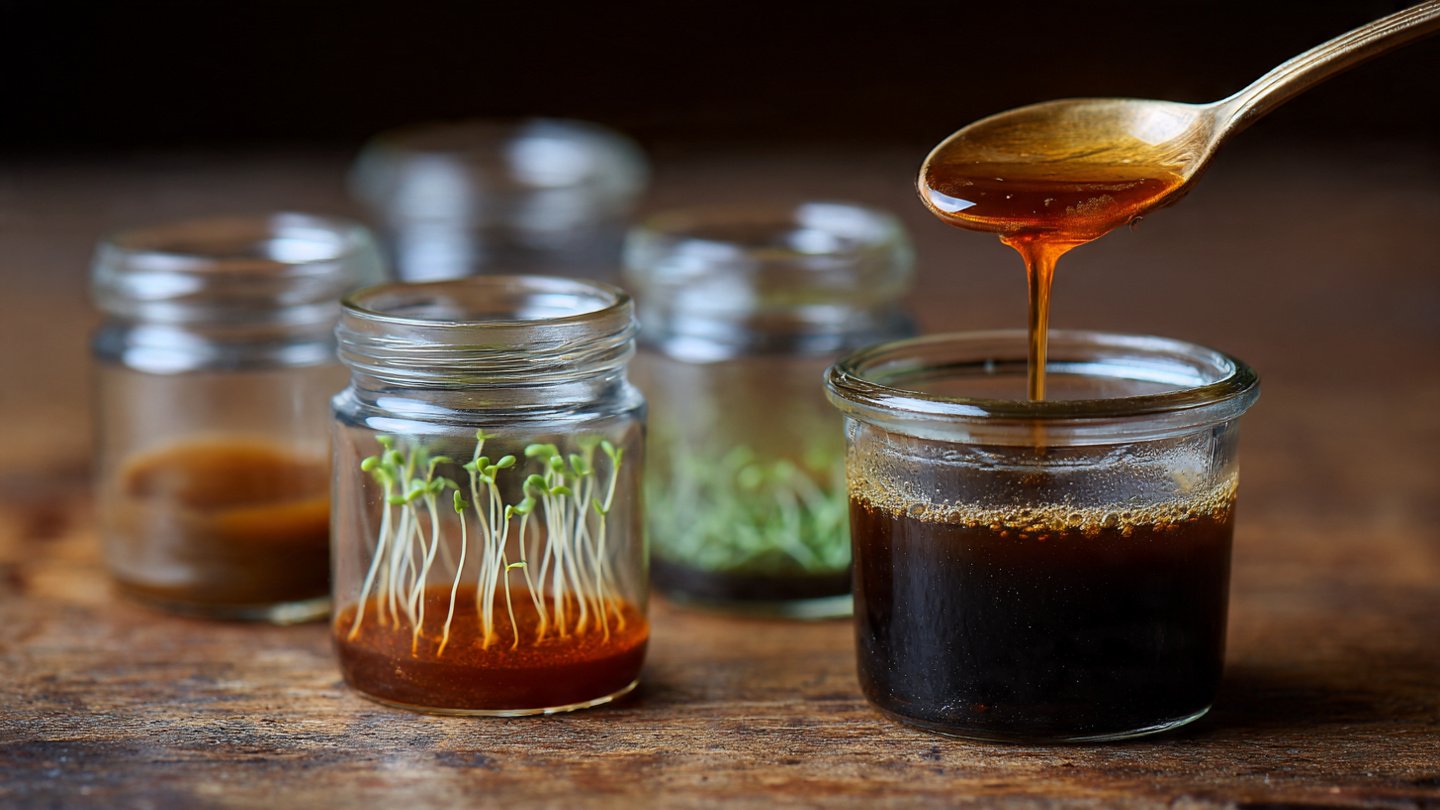
Soil health is paramount for sustainable agriculture, gardening, and the overall ecosystem. Soil microbes play crucial roles in nutrient cycling, organic matter decomposition, and promoting plant growth. Among the various amendments available, molasses has emerged as a natural, beneficial additive that can significantly enhance soil microbial activity. This article explores how molasses can transform your soil’s microbial community and improve overall soil health.
Understanding Soil Microbes
Soil microbes encompass a wide array of organisms, including bacteria, fungi, nematodes, and protozoa. They form a vibrant ecosystem within the soil, contributing to:
- Nutrient Cycling: Microbes break down organic matter, releasing essential nutrients like nitrogen, phosphorus, and potassium for plant uptake.
- Soil Structure Improvement: Certain microbes produce mucilage that binds soil particles, enhancing soil structure and aeration.
- Disease Suppression: Beneficial microbes can outcompete pathogens, protecting plants from diseases.
The Role of Molasses
Molasses, a byproduct of sugar production, is rich in carbohydrates, vitamins, and minerals. It serves as an excellent energy source for soil microbes, stimulating their growth and activity. When introduced into the soil, molasses boosts the microbial population, leading to several beneficial effects.
Enhancing Soil Microbial Activity
One of the primary ways molasses transforms soil microbes is by enhancing their activity. Its high sugar content acts as a food source, encouraging the rapid reproduction of beneficial microbes. The specific benefits include:
- Increased Diversity: The carbohydrates in molasses help cultivate a broader range of microorganisms, fostering a diverse microbial community. This diversity is crucial for resilient soil health.
- Improved Decomposition: With additional energy, microbes can decompose organic matter more effectively, leading to faster nutrient release.
- Enhanced Symbiosis: Beneficial bacteria and fungi can establish symbiotic relationships with plant roots, improving nutrient uptake.
Application Methods
To effectively utilize molasses in your soil management practices, consider these application methods:
- Liquid Fertilizer: Dilute molasses in water (1:10 ratio) and apply it as a foliar spray or soil drench to introduce sugars directly to the microbial community.
- Compost Activation: Add molasses to your compost pile to accelerate microbial activity and speed up the composting process.
- Planting Soil Amendments: Mix molasses into your soil before planting to create an enriched environment that supports healthy root development.
Additional Benefits of Molasses
Beyond enhancing microbial activity, molasses offers several additional benefits for soil health:
- pH Buffering: Molasses can help stabilize soil pH, creating a more favorable environment for plant growth.
- Improved Moisture Retention: The organic components in molasses can enhance soil’s ability to retain moisture, reducing irrigation needs.
- Promoting Beneficial Fungi: Molasses can stimulate the growth of mycorrhizal fungi, important for plant nutrient uptake.
Considerations and Best Practices
While molasses is a fantastic addition to soil management, it’s essential to use it wisely to avoid potential drawbacks. Consider the following:
- Dosage: Use molasses in moderation, as excessive application can lead to over-nourishment of microbial populations, potentially disrupting the balance.
- Timing: Apply molasses during the growing season when microbial activity is naturally higher, ensuring effective utilization.
- Monitoring Soil Health: Regularly test soil health to assess the impact of molasses and adjust your practices accordingly.
Conclusion
Molasses offers a robust, natural way to enhance soil microbial health. By providing an energy source for microbes, it promotes diversity and activity, leading to improved nutrient cycling, soil structure, and plant health. Incorporating molasses into your soil management practices can yield significant benefits, making it a valuable addition for gardeners and farmers alike. Proper application and monitoring can ensure the best results, transforming your soil into a thriving ecosystem that supports sustainable agriculture and gardening.
FAQs
1. Can I use any type of molasses for my soil?
It’s best to use unsulfured molasses, as it is free from additives that could harm soil microbes. Blackstrap molasses is particularly rich in nutrients.
2. How often should I apply molasses to my soil?
An application every four to six weeks during the growing season is generally beneficial, depending on the microbial activity and soil health.
3. Can molasses harm my plants if used excessively?
Yes, over-application can lead to microbial imbalances and potentially harm plant roots. It’s crucial to follow recommended dosages.
4. Is molasses suitable for all types of soil?
Molasses can be beneficial for most soil types; however, its effectiveness may vary based on existing microbial populations and soil conditions.
5. Can I mix molasses with other fertilizers?
Yes, molasses can be mixed with other organic fertilizers to enhance their effectiveness, but be cautious with chemical fertilizers as molasses may interfere with their action.