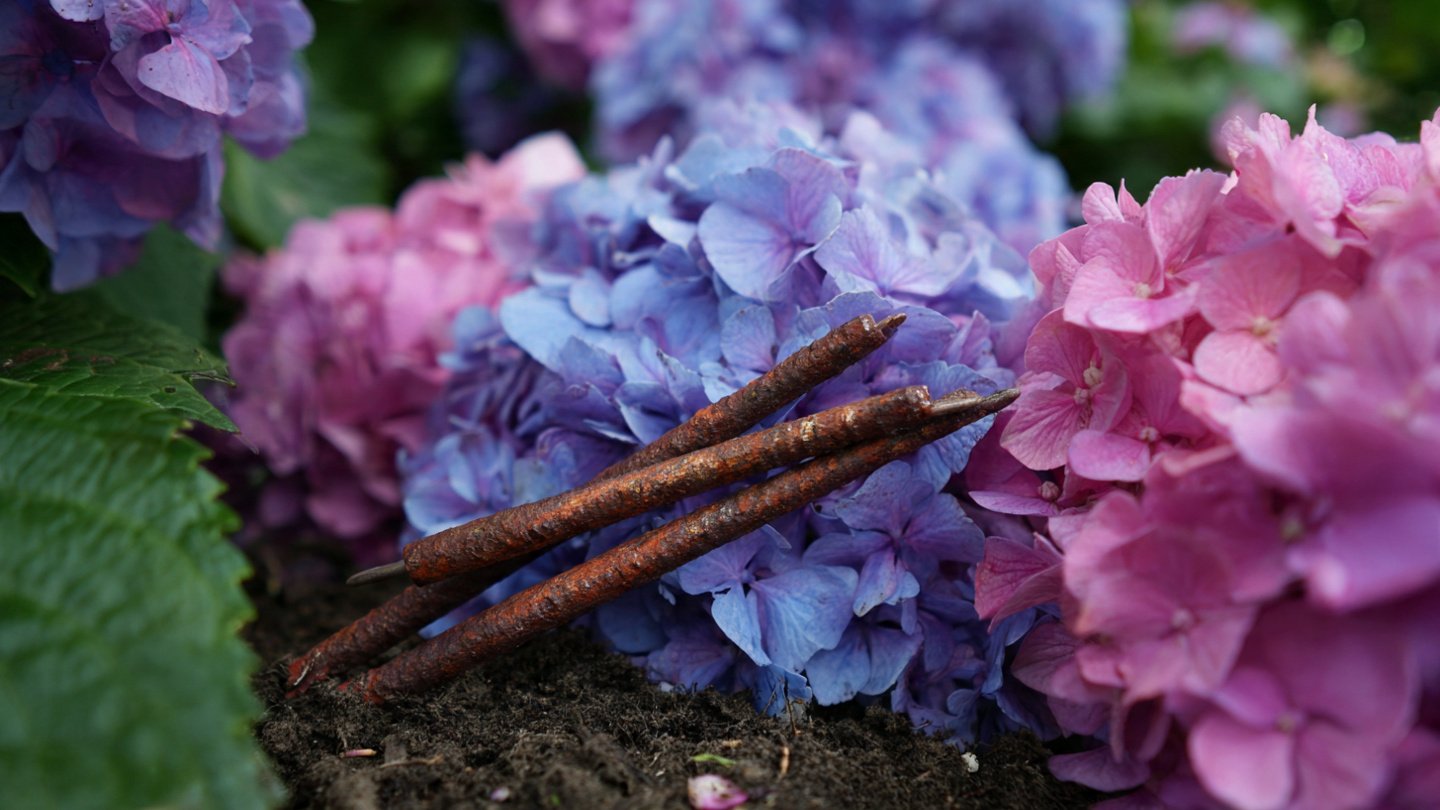
Hydrangeas are beloved for their stunning blooms and versatility in various garden settings. However, achieving robust, vibrant flowers requires an understanding of their specific needs. One unconventional tip that has circulated among gardening enthusiasts is the practice of burying rusty nails near hydrangeas. This article explores why this practice is recommended, delving into the science behind it and the benefits it offers for your hydrangeas.
Understanding Hydrangeas and Their Nutritional Needs
Hydrangeas thrive in a rich, moisture-retentive soil that is slightly acidic. They obtain the necessary nutrients from the soil, which supports healthy growth and colorful blooms. Key elements like nitrogen, phosphorus, and potassium are vital, along with trace minerals such as iron and magnesium.
When planting or caring for hydrangeas, gardeners often focus on soil composition and pH levels. A pH that leans towards acidity can enhance blue hues in particular hydrangea varieties. This is where rusty nails come into play, as iron is a crucial component in achieving that desirable color.
The Role of Iron in Plant Health
Iron is an essential micronutrient for plants, playing a pivotal role in photosynthesis and overall plant metabolism. It helps in the formation of chlorophyll and is vital for healthy growth. A deficiency in iron can lead to chlorosis, a condition where leaves turn yellow while the veins remain green.
Hydrangeas, especially those with blue blooms, often require higher iron levels in the soil. By burying rusty nails, you introduce iron into the soil as they corrode over time, potentially improving the plant’s health and providing the necessary nutrients for vibrant blooms.
The Science Behind Rusty Nails
Burying rusty nails in the soil near hydrangeas doesn’t just add iron; it also affects the overall soil chemistry. When nails corrode, they release iron ions into the soil, thus benefiting the plants. The process also encourages beneficial microbial activity, which can enhance soil structure and fertility.
Here’s how the process works:
- Corrosion Process: Rust is primarily composed of iron oxide, which breaks down over time, slowly releasing iron into the soil.
- Bacterial Activity: The introduction of nails may stimulate bacterial growth, which can help break down organic matter, releasing nutrients more effectively.
- Soil pH Balance: Rusty nails can contribute to a more balanced pH level, promoting greater nutrient availability for hydrangeas.
How to Bury Rusty Nails Correctly
If you’re considering trying this method, here’s a simple guide on how to do it effectively:
- Choose the Right Nails: Use old, rusty nails without any coatings or chemicals. Galvanized nails should be avoided as they may not provide the same benefits.
- Determine Placement: Bury the nails around the root zone of your hydrangeas, but ensure they’re placed at a depth where soil microbes can interact with them easily.
- Spacing: Space the nails about 1-2 feet apart to avoid overcrowding the roots and ensure even nutrient distribution.
- Monitor Soil Health: Keep an eye on the soil pH and hydrangea health over time. A pH test can help gauge whether the method is working as intended.
Other Benefits of Using Rusty Nails
In addition to providing iron, burying rusty nails can offer several other advantages for your garden:
- Improved Soil Aeration: As the nails corrode, they can create small spaces in the soil, improving aeration and drainage for hydrangea roots.
- Encourages Earthworms: The presence of iron and the organic matter from corroded nails can attract earthworms, which further enhance soil health.
- Cost-effective Fertilization: Utilizing rusty nails is an inexpensive way to amend soil, especially when compared to commercial fertilizers.
Conclusion
Burying rusty nails near your hydrangeas can be a simple and natural way to enrich the soil with iron, improve plant health, and promote vibrant blooms. While this practice may seem unconventional, the science behind it supports its efficacy in enhancing soil conditions and nourishing your hydrangeas. As with any gardening technique, monitoring the effects is essential, ensuring that the practice aligns well with the specific needs of your plants. Embrace this age-old gardening tip, and you may find your hydrangeas flourish more beautifully than ever.
FAQs
1. How many rusty nails should I bury per hydrangea plant?
It’s generally recommended to bury 2-3 rusty nails around the root zone of each hydrangea plant, spaced about 1-2 feet apart.
2. Can I use other rusty metal objects?
Yes, other rusty iron objects can also be beneficial. However, avoid metals that are coated or treated with chemicals, as they may not provide the same benefits.
3. How often should I replace the rusty nails?
There’s no specific timeline for replacing the nails, as they will corrode at different rates based on soil conditions. Monitor your plants and soil, and replace them if you notice a decline in plant health.
4. Will burying rusty nails affect the pH level of the soil?
Rusty nails can help to balance the pH level over time. However, it’s essential to monitor soil pH regularly to avoid making it too acidic or alkaline for your hydrangeas.
5. Can I use this method with other plants?
This technique can benefit other acid-loving plants like azaleas and rhododendrons, but always consider the specific nutrient needs of each plant.