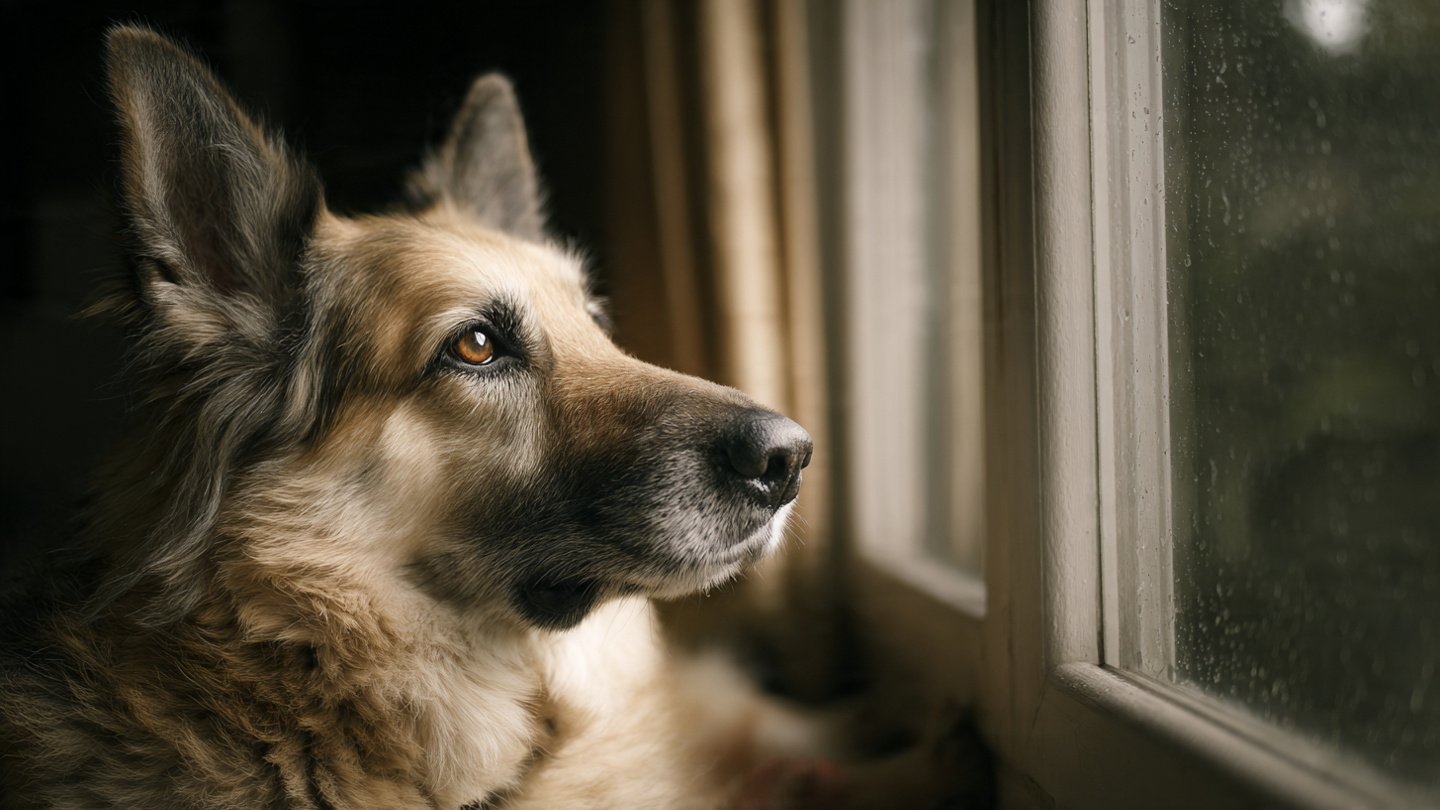
Pets are beloved members of our families, bringing joy, companionship, and sometimes a bit of mischief into our lives. One common behavior observed in many pets—be it dogs, cats, rabbits, or even more exotic animals—is their inclination to seek out small, enclosed spaces. While this might seem peculiar to us, there are several reasons rooted in animal behavior, psychology, and environmental factors that explain why pets prefer these cozy havens for comfort.
Understanding Animal Instincts
Natural Instincts and Ancestry
Many pets are descendants of wild animals that have evolved specific survival instincts. In the wild, animals often seek out hidden, enclosed areas to protect themselves from predators, harsh weather, and environmental dangers. For example, cats, as solitary hunters, may find refuge in small spaces to hide while they stalk prey. Similarly, small mammals like rabbits dig burrows that serve as protective dens, where they can escape from threats.
This behavior is deeply ingrained in their instinctual responses. Even domesticated pets retain these ancestral traits, causing them to gravitate towards secure, enclosed spaces.
Safety and Security
Safety is a fundamental need for all animals. For pets, enclosed spaces offer a sense of security that open areas may lack. When surrounded by walls, they often feel less exposed and vulnerable. This security can be especially important for animals that are shy, anxious, or have previously experienced trauma. The snugness of a confined space can foster a sense of calm and enable them to reduce stress levels.
Psychological Comfort
Stress Reduction
Pets, particularly those that may be prone to anxiety, find comfort in enclosed spaces. The concept aligns closely with the idea of “denning,” where animals create personal sanctuaries to retreat to when feeling threatened or uneasy. A study by the Journal of Veterinary Behavior reported that providing pets with a safe space can significantly lower stress and anxiety levels. Enclosed spaces serve as safe havens where pets can retreat to decompress, particularly during stressful situations like thunderstorms, fireworks, or loud gatherings.
Sense of Control
Homelike environments often grant pets a sense of control. When they have their own designated spaces—an enclosed bed, a box, or even a specially designed pet cave—they feel a stronger sense of ownership and autonomy. This sense of control contributes positively to their mental well-being. A controlled space allows them to choose when they want to emerge, providing a feeling of agency that is crucial for their overall emotional health.
Environmental Factors
Temperature Regulation
Enclosed spaces provide better thermal comfort for pets. In cold weather, they can escape the chill, while in hot weather, they can retreat to cooler areas. Many pets instinctively look for temperature-regulated environments. Enclosed spaces can act as thermal buffers, as these areas are often shielded from drafts and direct sunlight, creating microclimates that are more comfortable.
Nesting Behavior
Just as birds create nests, many pets exhibit nesting behavior. Cats, for example, might knead blankets, pillows, or even laundry before settling into them, mimicking the act of preparing a nest. Enclosed spaces allow for an excellent nesting environment, where animals can arrange their sleeping quarters to their preference. This innate nesting instinct is particularly pronounced in female animals, especially during certain hormonal cycles.
Practical Applications
Pet Furniture Design
Understanding why pets prefer enclosed spaces leads to the development of more thoughtful and accommodating pet furniture. Designers increasingly create products like covered pet beds, hideaways, and cat trees with enclosed perches. These designs not only satisfy pets’ instincts and preferences but also contribute to their overall well-being.
Providing Enclosed Spaces
To enhance the comfort and happiness of our pets, it’s essential to create locations within our homes where they can retreat. This can include:
-
Pet Beds: Invest in high-quality enclosed pet beds or crates that offer a snug, safe space for pets to rest.
-
Boxes and Tents: Provide cardboard boxes or soft pet tents for pets to explore and nest in. This easy-to-set-up option encourages their natural instincts.
-
Special Areas: Designate quiet areas in your home that are away from noise and foot traffic. Use blankets, cushions, and even tunnels to create cozy nooks.
Training and Guidance
While some pets instinctively find enclosed spaces, it’s beneficial to guide them toward these areas to reinforce comfort. Training pets to use specific enclosed spaces can enhance their security. This could involve:
-
Positive Reinforcement: Use treats and praise to encourage your pet to seek out their designated space.
-
Creating Associations: Associate the enclosed area with positive experiences, such as feeding, playtime, or relaxation.
Social and Emotional Aspects
Bonding and attachment
Pet owners often notice that their pets prefer to be near them in enclosed spaces. This behavior illustrates their desire for closeness and bonding. Animals feel more secure when they are near their human companions, and a shared enclosed space can strengthen that bond. For example, a dog lying at its owner’s feet while they work or a cat nestled in their lap demonstrates the importance of being close to their pet parent.
Adjusting to New Environments
For pets that are introduced to new environments—be it a new home or even a visit to the veterinary office—having a familiar enclosed space can help them adjust. Bringing along a travel bed, familiar blankets, or toys can provide comfort. Animals can use these items to create their own small “safe zone” amidst the chaos of unfamiliar environments.
Conclusion
The preference of pets for enclosed spaces is a multi-faceted phenomenon rooted in instinct, psychology, and environmental needs. We need to consider these factors to provide our furry friends with environments that not only foster comfort but also ensure their emotional and psychological well-being. By understanding and respecting their desire for secure spaces, pet owners can enhance the quality of life for their beloved companions.
Creating a home that respects this instinct not only makes pets happier but also strengthens the bond between pets and their owners. From design choices to behavioral training, facilitating their inclination towards cozy, enclosed spaces can be a crucial step in promoting a happier, healthier life for our pets. As we explore deeper into our pets’ preferences, we foster an enriching environment that supports their natural instincts and nurtures the emotional ties that bring us together.