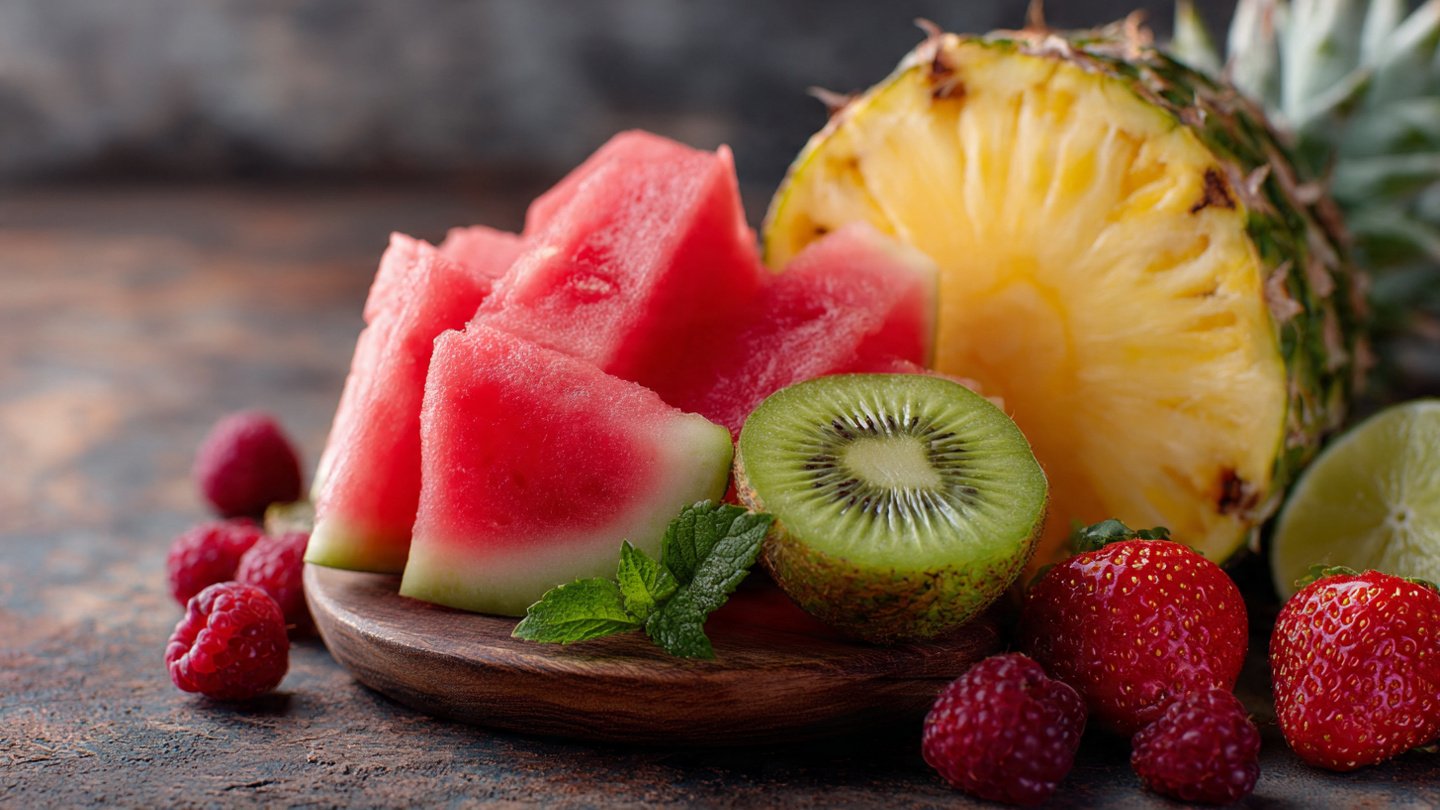
Fruits are celebrated not only for their vibrant flavors and nutritional benefits but also for their many culinary uses. Cutting fruits—whether in preparation for a fruit salad, a smoothie, or simply making them easier to eat—can often lead to a noticeable change in their taste. Many individuals have experienced the phenomenon where freshly cut fruits seem to lose some of their sweetness compared to when they are whole. But what causes this change? In this article, we will delve into the science behind the sweetness of fruits, the role of cellular structure, the effects of oxidation, and practical implications for incorporating fruits into our diets.
Understanding Fruit Sweetness
To understand why cutting fruits may reduce their sweetness, it’s essential to grasp what makes fruits sweet in the first place. Sweetness primarily comes from sugars, including fructose, glucose, and sucrose. These sugars are produced by the fruit while it is developing on the plant. During ripening, enzymes break down starches into simpler sugars, allowing the fruit to achieve its sweet flavor.
The perception of sweetness involves more than just sugar content; it encompasses factors like:
- Sugar Concentration: The higher the concentration of sugars, the sweeter the fruit will taste.
- Acid Balance: Citrus fruits, for instance, may taste less sweet despite having high sugar concentrations due to higher acidity.
- Aroma Compounds: Volatile compounds contribute significantly to the overall flavor profile, including sweetness perception.
The Cellular Structure of Fruits
Fruits are made up of cells that contain multiple components, such as sugars, acids, vitamins, and water. These cells are housed within a semi-permeable membrane that regulates the contents. When a fruit is whole, these sugars are effectively contained within this structure, impacting how they’re experienced by our taste buds.
Cell Integrity and Sweetness
When you cut into a fruit, you disrupt the cellular structure, leading to the release of juices and internal components. This change can influence the perceived sweetness in two significant ways:
- Release of Sugars: Cutting the fruit allows more sugars to leach out into the surrounding environment rather than remaining contained within the fruit. This phenomenon can dilute sweetness when the fruit juices are combined with other elements, such as water or ice, in a dish.
- Altered Distribution: Once the cells are ruptured, the distribution of sugars changes. Certain areas may taste sweeter, while others may not, leading to an uneven sweetness profile that could be perceived as less sugary overall.
The Role of Oxidation
One of the most significant changes that occur when fruits are cut is oxidation. This process is primarily driven by exposure to oxygen, which not only affects the color and texture of the fruit but can also influence sweetness.
Enzymatic Browning
When fruits are cut, enzymes, particularly polyphenol oxidase (PPO), come into contact with oxygen. This contact leads to enzymatic browning, where phenolic compounds in the fruit react with oxygen, resulting in brown pigments and altered flavor compounds. Not only does this change the appearance of the fruit, making it less visually appealing, but it can also impact sweetness perception. The reaction can create bitter or off-flavors, overshadowing the natural sweetness.
Degradation of Sugars
Oxidative processes can also lead to the degradation of sugars in cut fruits. Over time, exposure to oxygen can cause some sugars to break down, resulting in less sweetness. This breakdown may not be immediately apparent but can contribute to the overall experience of less sweet fruit after a certain period.
Temperature Effects
The temperature at which fruit is stored post-cutting can also play a role in perceived sweetness. Cut fruits are often stored in the refrigerator, where lower temperatures can dull flavor perception, including sweetness. Cold temperatures can inhibit our taste buds’ ability to detect sweetness, leading to a less enjoyable eating experience. Conversely, allowing cut fruit to sit at room temperature for a brief time before consuming may enhance its sweetness perception as temperature can heighten flavor release.
Impact of Serving Practices
The way in which fruits are served can also affect sweetness perception. For instance:
- Mixing with Other Ingredients: When fruits are cut and mixed with other ingredients (e.g., yogurt, salad dressings), the combined flavors can mask the sweetness of the fruit.
- Serving Size: Smaller pieces may lead to a diminished experience of sweetness compared to larger chunks which may provide a more robust burst of flavor.
Practical Applications and Tips
Understanding how cutting fruits can affect their sweetness can help you make more informed decisions in food preparation and consumption. Here are some tips to mitigate the reduction in perceived sweetness:
- Cut Just Before Serving: Whenever possible, cut fruits right before you plan to serve or consume them to minimize oxidation.
- Use Acidic Juices: A splash of lemon or lime juice can slow oxidative reactions and help preserve the appearance and flavor of cut fruits.
- Temperature Management: Serve fruits at a slightly warmer temperature to enhance sweetness perception.
- Presentation Matters: Serving fruit as a whole piece whenever feasible not only maintains sweetness but also enhances visual appeal.
- Pair Wisely: If you are pairing fruits with other flavors, consider those that enhance rather than diminish sweetness. For example, sweet fruits pair well with creamy ingredients like yogurt.
The Cultural Perspective
In many cultures, cutting fruits before serving them is a common practice, but the awareness of its effects on sweetness might be limited. Mediterranean and tropical cultures often emphasize whole fruits in their diets, showcasing the importance of consuming fruits in their natural form for both taste and health benefits.
Culinary Techniques
In culinary practices, understanding the impact of cutting fruits is essential. Chefs often use techniques that minimize oxidation and maximize freshness, such as using specific knives that reduce cell damage or incorporating fruits into dishes immediately after cutting.
Conclusion
The nuanced relationship between cutting fruits and the perception of sweetness is rooted in the intricate science of cellular structure, chemical reactions, and sensory perception. By understanding these factors, one can appreciate the complexity of fruit flavors more deeply and make better choices for maximizing their enjoyment. Whether you’re preparing a refreshing fruit salad or a smoothie, keeping these insights in mind will help ensure that you savor the full sweetness that fruits have to offer. So next time you slice up an apple or a ripe peach, remember the delicate balance at play and perhaps enjoy that juicy bite just a bit more!