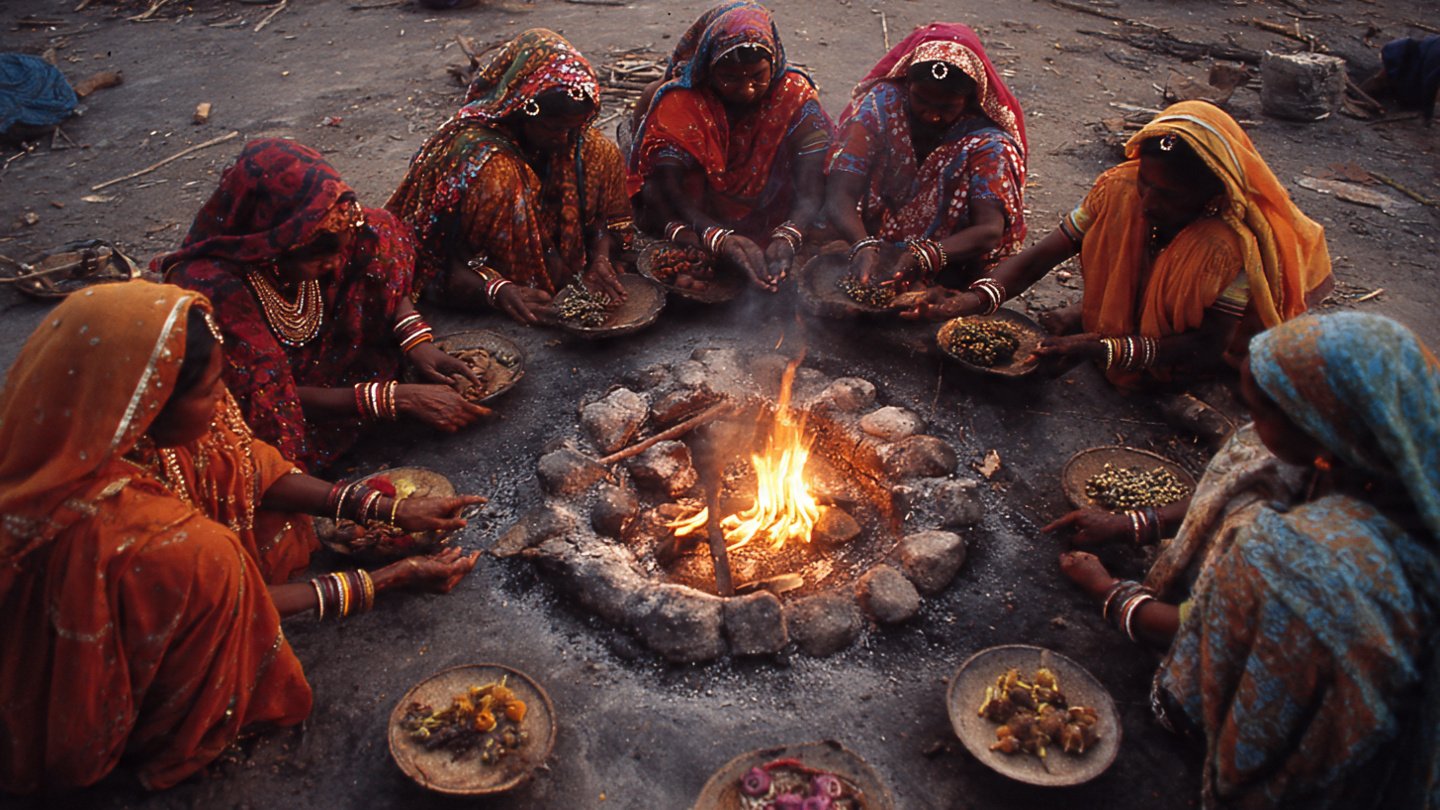
In an age characterized by rapid technological advancements and significant cultural shifts, one might assume that traditional practices would consistently diminish in relevance. However, the truth is quite the opposite: many traditional customs remain persistently vital and are experiencing a resurgence across the globe. This article delves into the reasons behind the enduring appeal of traditional practices in modern society, examining their social, emotional, and cultural significance.
The Definition and Importance of Traditional Practices
Traditional practices encompass a variety of elements including rituals, customs, art forms, and community events that have been passed down through generations. These practices often reflect the cultural identity, values, and historical experiences of a community. While some may view these traditions as relics of the past, they continue to play a significant role in shaping modern life.
Cultural Identity and Belonging
In a rapidly globalizing world, many individuals grapple with questions of identity and belonging. Traditional practices provide a tangible connection to one’s heritage, offering a framework through which people can explore their roots. Participating in these customs fosters a sense of community and belonging, helping individuals navigate their identities amid the complexities of modern life.
Moreover, as global cultures intermingle, there is a tendency for individuals to seek out and cling to their unique traditions. This is evident in the resurgence of folk music, traditional dances, and cuisine, all of which serve to reinforce cultural identity. For instance, many immigrant communities within the United States host yearly festivals celebrating their home countries’ customs, allowing them to connect with their origins while simultaneously integrating into a broader societal context.
Psychological Well-being
The psychological benefits associated with traditional practices cannot be overstated. Many customs promote a sense of continuity and stability, providing individuals with comfort in times of uncertainty. Rituals associated with rites of passage—such as weddings, funerals, and religious ceremonies—offer structured ways to navigate life’s transitions. They provide a support system that reassures individuals, emphasizing the communal aspect of human experience.
The act of participating in traditional practices often involves emotional engagement and deeper connections with others. For instance, communal gatherings, such as harvest festivals or seasonal celebrations, strengthen social bonds and foster a sense of unity—elements critical for psychological health. Studies have shown that feelings of belonging can improve mental health, reduce feelings of loneliness, and enhance overall emotional well-being.
Resilience and Sustainability
In a world increasingly marked by environmental challenges, traditional practices often embody sustainable methods of living. Many indigenous cultures possess an extensive knowledge of local ecosystems, guiding them in sustainable agricultural and fishing practices that have stood the test of time. These eco-friendly approaches not only promote the responsible use of natural resources but also empower communities by reinforcing their connection to the land.
Modern society’s increasing focus on sustainability has led to a revival of interest in these age-old practices. For example, initiatives promoting organic farming and permaculture frequently draw on traditional agricultural wisdom. This blending of old and new serves as a crucial reminder that sustainable living can be informed by historical practices while adapting to contemporary demands.
Educational Implications
Traditional practices also offer valuable educational opportunities. Cultural festivals, workshops, and storytelling events allow for the transfer of critical knowledge and skills from one generation to the next. Such events serve as living classrooms where people can learn about their heritage, arts, crafts, and even languages. This education creates a deeper appreciation for cultural diversity and the importance of preserving traditional knowledge.
Schools increasingly recognize the relevance of traditional practices in their curricula, incorporating local history, mythology, and arts into their subject matter. By engaging with these practices, students not only gain insights into their own culture but also develop a more enriched worldview. This educational approach cultivates empathy and understanding, essential traits in an interconnected global society.
Artistic Expression and Preservation
The resurgence of traditional practices can also be seen in the arts. Many artists today blend contemporary styles with traditional elements, reviving ancient forms and narratives. This fusion creates a dynamic cultural landscape, allowing for the preservation and evolution of traditional art forms.
For instance, traditional music genres are often reinterpreted through modern instruments and technologies, attracting younger audiences while maintaining roots in heritage. The blending of traditional dance forms with contemporary choreography also exemplifies how traditions can adapt while retaining their core essence. This artistic approach not only ensures the survival of these practices but also stimulates cultural dialogue, encouraging innovation while respecting heritage.
Globalization and the Revival of Local Traditions
Interestingly, the forces of globalization have contributed significantly to the resurgence of traditional practices. As people are exposed to various cultures, there is a renewed interest in local traditions as a counter-narrative to homogenization. Individuals and communities increasingly find value in their unique customs, using them as tools of resistance against the impersonal nature of a globalized world.
For example, the rise of local artisan markets showcases craftsmen and women who uphold traditional techniques while creating contemporary products. This movement reflects a broader trend toward supporting local economies and valuing artisanal skills, underscoring a shift away from mass production. Consumers today are more inclined to invest in unique, handcrafted items that tell a story and bear the mark of cultural authenticity.
The Role of Technology
Interestingly, technology plays a dual role in the preservation and promotion of traditional practices. On one hand, it can lead to the dilution of these practices; on the other hand, it can act as a powerful tool for their revival and dissemination. Social media platforms have enabled communities to share their customs with a broader audience, raising awareness and appreciation for diverse traditions.
For example, platforms like Instagram and TikTok allow traditional dancers, musicians, and artists to showcase their crafts to a global audience. This online visibility enhances cultural exchange, prompting a re-evaluation of traditional practices as not just relics of the past but living, breathing aspects of contemporary culture. Moreover, documentation through digital means—videos, blogs, and virtual galleries—ensures that these practices can be preserved for future generations despite geopolitical changes.
Challenges and Tensions
While the resurgence of traditional practices is largely positive, it is not without challenges and tensions. One significant issue is the risk of commodification. As traditional practices gain popularity, there is a potential for these customs to be commercialized, potentially leading to a loss of authenticity and diminished cultural significance. Communities must navigate the complexities of sharing their traditions in ways that honor their origins while allowing for adaptation.
Additionally, there is the challenge of ensuring that traditional practices are inclusive and representative of all community members. Marginalized voices within cultures may struggle for recognition, leading to a narrow portrayal of what a tradition entails. It is essential to create spaces where diverse interpretations of traditional practices can coexist, promoting a more holistic understanding of cultural heritage.
Conclusion
The enduring appeal of traditional practices in modern society is a multifaceted phenomenon rooted in the complexities of identity, emotional well-being, sustainability, and artistic expression. These practices serve as vital links to the past, providing a framework for understanding oneself and the world. As individuals consciously choose to engage with their heritage, traditional practices become more than mere customs—they evolve into powerful tools for fostering community, psychological health, and cultural resilience.
In navigating the intricate balance between preserving tradition and embracing modernity, society can benefit from a richer tapestry of cultural expressions. By valuing and respecting traditional practices, we can cultivate a sense of unity and belonging that transcends individual differences, contributing to a more harmonious and enriched world.