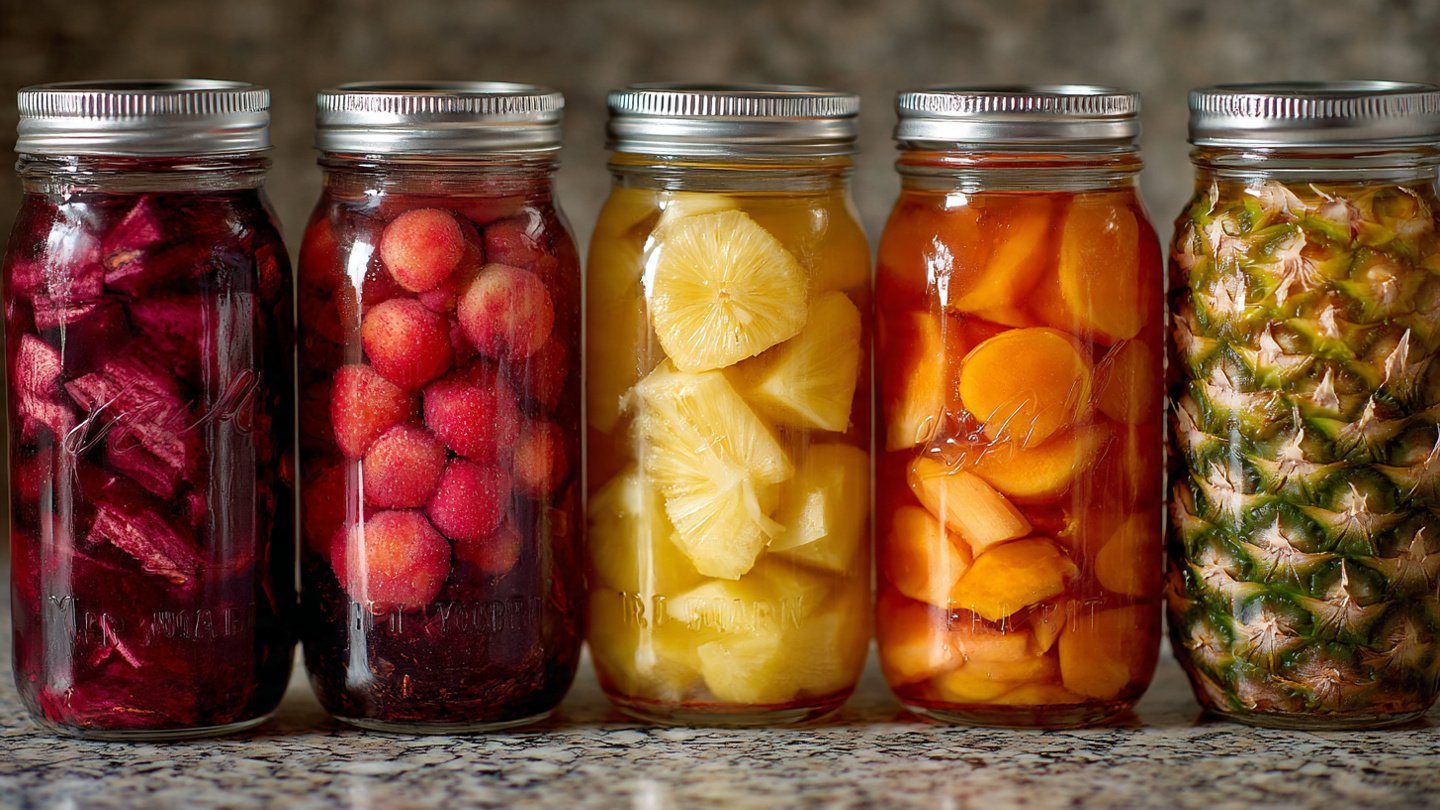
Fermentation is a natural process that has been used for centuries to preserve food, enhance flavors, and promote health. Among the many foods that benefit from fermentation, fruits hold a special place due to their inherent sugars and organic compounds. The phenomenon of overnight fruit fermentation has gained popularity, particularly in health and culinary circles, where enthusiasts seek both tangy flavors and probiotic benefits. But what exactly happens during this intriguing process? Let’s delve into the secret science of overnight fruit fermentation.
Understanding Fermentation
Fermentation is a metabolic process in which microorganisms, primarily yeast and bacteria, convert carbohydrates—like sugars—into alcohol or acids. This anaerobic process, which can occur in the absence of oxygen, has been utilized for creating a wide array of foods and beverages, from yogurt to sauerkraut, bread to beer, and, of course, fermented fruits.
The Role of Microorganisms
The primary players in the fermentation process are yeasts and bacteria. In fruit fermentation, these microorganisms break down the natural sugars present in the fruit and convert them to alcohol, carbon dioxide, or organic acids, depending on the conditions and desired outcome.
-
Yeasts: Wild yeasts naturally present on the surface of fruit begin to interact with the sugars, converting them primarily into alcohol and carbon dioxide. Saccharomyces cerevisiae is one of the most common yeasts used in fermentation, but wild yeasts add unique flavors to the fermentation process.
-
Bacteria: Lactic acid bacteria (LAB), such as Lactobacillus species, thrive in the presence of sugar and convert it into lactic acid, lowering the pH and creating a more acidic, tangy flavor.
The Process of Overnight Fruit Fermentation
Step 1: Selection of Fruit
The type of fruit you choose plays a significant role in the final flavor and health benefits. Fruits like apples, pears, and berries are excellent candidates due to their sugar content and natural fermentation properties. The outer skin of the fruit often contains natural yeasts, which kickstart the fermentation process.
Step 2: Preparation
-
Washing: Rinse the fruits to remove any pesticides, dirt, or unwanted contaminants. It’s important to retain some of the natural yeasts on the surface, so avoid using soap or harsh chemicals.
-
Cutting: Chop or slice the fruit into uniform pieces. Smaller pieces expose more surface area to the microorganisms, accelerating fermentation.
-
Adding Ingredients: Optional ingredients can be added to enhance flavor—sugar, honey, spices, or herbs can contribute to the depth of the final product.
Step 3: Fermentation Setup
-
Container: Place the prepared fruit into a clean, air-tight container. Glass jars are preferred as they do not react with the acidic environment.
-
Brine Solution: For a fruit-based brine, dissolve salt (approximately 2-3% concentration) in water before adding it to the fruit. The salt aids in extracting juice from the fruit, provides flavor, and inhibits undesirable bacteria.
-
Seal and Store: Seal the container and store it in a cool, dark place. Initial fermentation takes place rapidly; within a few hours, bubbling and changes in texture may begin. Letting the fruit ferment overnight allows sufficient time for flavors to develop.
Step 4: Monitoring Fermentation
During the fermentation phase, it’s essential to observe changes in the fruit. Signs of successful fermentation include:
- Bubbling: This indicates that carbon dioxide is being produced.
- Change in Aroma: A tangy, slightly alcoholic scent starting to emerge is common.
- Texture Changes: The fruit will soften, and the brine will become cloudy.
By monitoring these indicators, one can determine when fermentation is at its peak.
Step 5: Completion and Storage
After 12 to 24 hours, taste the fruit for acidity and flavor. If it meets your preference, transfer the jar to the refrigerator to slow down the fermentation process, which can continue over days or even weeks. Fermented fruits can last for several weeks, and their flavor will develop more complexity over time.
The Health Benefits of Fermented Fruits
Overnight fruit fermentation doesn’t just produce delicious flavors; it also offers several health benefits.
1. Probiotics
Fermented fruits can provide probiotics—beneficial bacteria that promote gut health. A healthy gut microbiome is linked to various aspects of health, including immune function, digestion, and even mental health.
2. Enhanced Nutrient Absorption
Fermentation can increase the bioavailability of nutrients, making them easier for the body to absorb. For example, fermented fruits may provide higher levels of vitamins such as B vitamins and vitamin K.
3. Antioxidant Properties
Fruits are inherently rich in antioxidants, but fermentation can enhance these properties. The fermentation process may increase the levels of phenolic compounds, which are known for their antioxidant effects.
4. Lower Sugar Content
The fermentation process can reduce the sugar content of fruits, making them more suitable for individuals monitoring their sugar intake. Specifically, yeasts convert sugars to alcohol and carbon dioxide, lowering the total sugar in the final product.
Culinary Uses of Fermented Fruits
The versatility of fermented fruits makes them an exciting addition to various culinary applications. Here are some ways to incorporate them into your diet:
1. As Toppings
Fermented fruits can act as a flavorful topping for yogurt, oatmeal, or smoothies. They add a zing that contrasts nicely with creamy or neutral bases.
2. In Cheeses and Charcuterie
These fruits can enhance cheese platters and charcuterie boards, providing a tangy complement to rich flavors.
3. In Salads
Adding fermented fruits to salads can introduce unique flavors and textures, elevating the dish to new heights.
4. For Dressings and Marinades
Blending fermented fruits into dressings or marinades creates a complex flavor profile, ideal for grilled meats or vegetables.
5. As Snack
Enjoying fermented fruits straight from the jar is a nutritious snack option, packed with flavor and healthy probiotics.
Common Mistakes to Avoid
While the process of fermenting fruits overnight is relatively straightforward, certain mistakes can hinder results. Here are a few commonly encountered pitfalls:
-
Using Dirty Equipment: Ensure all utensils and containers are clean to prevent contamination. A single harmful microorganism can spoil the entire batch.
-
Not Monitoring Temperature: Temperature plays a crucial role in fermentation. If it’s too cold, fermentation will slow down; if too warm, undesirable bacteria may thrive.
-
Water Quality: If using water in the brine, make sure it’s of good quality, as chlorine in tap water can inhibit fermentation.
-
Neglecting Air: During the first stage of fermentation, air is necessary for yeast growth. However, once the environment becomes acidic enough, it’s important to keep the container sealed to prevent oxidation.
Conclusion
The secret science behind overnight fruit fermentation is a fascinating interplay of microorganisms and natural processes that benefit both flavor and health. Through a simple combination of fruit, time, and care, complex flavors develop, and probiotic-rich foods emerge, ready to elevate your culinary experiences.
As you embark on your journey of fermentation, remember that each batch will be unique. Experiment with different fruits and additional flavorings to discover your perfect blend. So, grab some fresh fruit, a clean jar, and let nature do its magic overnight!