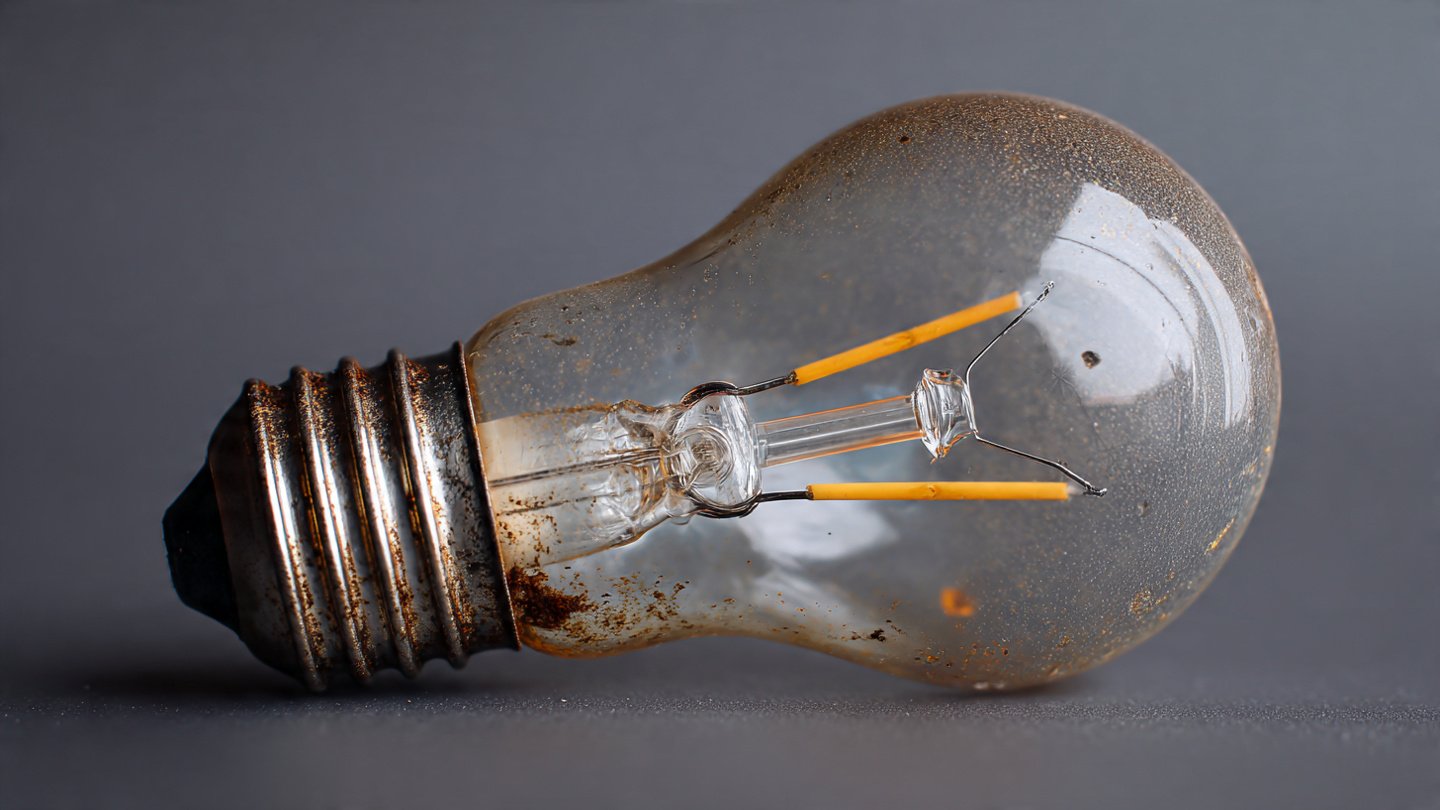
LED (Light Emitting Diode) bulbs have become the preferred lighting choice for many homeowners and businesses due to their energy efficiency, long lifespan, and low maintenance requirements. However, like any technology, they can be susceptible to damage if not used correctly. To ensure you get the most out of your LED bulbs, it’s essential to cultivate some simple habits that help prevent damage and extend their lifespan. In this article, we will discuss effective strategies to keep your LED bulbs functioning optimally.
Understanding LED Bulbs
Before diving into practices for preserving LED bulbs, it’s imperative to understand their construction. Unlike traditional incandescent and fluorescent bulbs, LED bulbs do not have filaments or gas-filled tubes. Instead, they consist of a semiconductor that emits light when an electric current passes through it. This unique technology allows LEDs to operate cooler, making them less prone to overheating and premature failure.
Why LED Bulbs Fail
Several factors can lead to the premature failure of LED bulbs, including:
- Overheating: Excess heat can damage the electronic components within an LED bulb.
- Voltage Fluctuations: Sudden spikes or dips in voltage can affect the bulb’s performance.
- Poor Quality: Low-quality bulbs may use substandard materials, leading to faster degradation.
- Incorrect Use: Using bulbs in fixtures or situations that are incompatible with LED technology can cause premature failure.
By incorporating practical habits into your daily routine, you can significantly reduce the likelihood of these issues.
Simple Habits to Preserve Your LED Bulbs
1. Choose the Right Bulbs for Your Fixtures
Selecting the appropriate LED bulb for your fixture is crucial. Check the fixture’s wattage rating and ensure the LED bulb you choose does not exceed this limit. Additionally, ensure compatibility in terms of size and shape. Using a bulb that’s too large can cause overheating, while one that’s too small may not provide adequate lighting.
2. Install in Well-Ventilated Areas
Heat is an enemy of LED bulbs. Installing them in well-ventilated areas helps dissipate heat effectively. Avoid tightly enclosed fixtures or those without airflow; poor ventilation can trap heat, leading to overheating. If installing in a enclosed space is unavoidable, consider using bulbs specifically designed for that purpose, which are often labeled as “dimmable” or “enclosed fixture rated.”
3. Use Quality Products
While the allure of cheaper bulbs is tempting, investing in high-quality LED products pays off in the long run. Reputable brands often provide better materials and more reliable performance. Look for bulbs that come with warranties, as this is a sign of manufacturer confidence in their product. Read reviews and ensure the bulbs have a good reputation for longevity and performance.
4. Avoid Frequent On/Off Switching
LEDs are more resilient to frequent switching than traditional bulbs; however, excessive on/off cycles can shorten their lifespan. Try to minimize how often you turn your lights off and on, especially if using lower-quality bulbs. If you need lights on and off frequently, consider installing a dimmer switch or motion sensor that can help mitigate this issue.
5. Monitor the Voltage Supply
Make sure the electrical supply to your LED bulbs is stable. Sudden voltage fluctuations can damage the bulb’s internal components. If you live in an area with unstable power, consider using a surge protector or an uninterruptible power supply (UPS). This will not only help in protecting your LED bulbs but can also safeguard other sensitive electronics in your home.
6. Clean Regularly
Dust, grime, and dirt can obstruct the light emitted by your LED bulbs, causing them to work harder than necessary. Use a soft, dry cloth to wipe down your bulbs regularly, ensuring that they remain clean and operate efficiently. Avoid using harsh chemical cleaners, as these can damage the bulbs’ surface.
7. Use Appropriate Dimmers
If you’re using LED bulbs in conjunction with dimmer switches, ensure these dimmers are compatible with LED lighting. Many older dimmers were designed for incandescent bulbs and can cause flickering, buzzing, or even damage to your LED bulbs. Look for “LED-compatible” dimmers, as they are designed to handle the different electrical properties of LED technology.
8. Avoid Overloading Circuits
Circuits that are overloaded with too many bulbs or other electrical devices can cause increased heat build-up, which contributes to bulb failure. Be mindful of the total wattage across your circuits, and try to keep the load within safe limits. If necessary, consult an electrician to make sure your electrical layout is suitable.
9. Choose the Right Color Temperature
LED bulbs come in a variety of color temperatures, typically ranging from warm white (around 2700K) to cool white (5000K and above). Selecting the appropriate color for your space enhances the environment and can prevent eye strain. Unique color temperatures also impact the perceived brightness, which can lead to unnecessary usage of higher wattage bulbs than needed.
10. Store Properly
If you buy LED bulbs in bulk or have leftovers from previous installations, store them in a cool, dry place away from extreme temperatures. Excessive heat or cold can affect their internal components. Avoid stacking them to prevent damage and ensure that their packaging remains intact until you’re ready to use them.
11. Check for Compatibility with Smart Features
If you’re using smart LED bulbs, ensure that your home’s Wi-Fi network is stable and that the bulbs are properly integrated with your smart home system. Incompatibility can lead to intermittent operation or failure of the bulb. Regularly update the firmware of smart bulbs to benefit from the newest features and performance improvements.
12. Replace in Pairs or Sets
When one bulb in a fixture burns out, it can cause others to fail prematurely. This is especially common in string lights or multi-bulb fixtures. Consider replacing bulbs in pairs or sets to maintain uniformity in brightness and prevent strain on the wiring and electrical components.
13. Be Mindful of Heat Sources
Keep LED bulbs away from heat sources like ovens, heaters, or direct sunlight. Excessive heat can significantly reduce the bulb’s rated lifespan. When installing bulbs, consider their proximity to such heat-generating appliances; it’s best to opt for a location where they won’t be exposed to elevated temperatures.
14. Turn Off When Not in Use
While LED bulbs are more energy-efficient than traditional bulbs, they still consume energy when on. Cultivate the habit of switching off lights when they are not needed, especially in rooms that may not require constant lighting. This not only extends the lifespan of the bulbs but also contributes to overall energy savings.
15. Keep an Eye on Electrical Connections
Periodically inspect the light fixtures and connections where your LED bulbs are installed. Loose or damaged sockets can create poor electrical contacts, leading to flickering or failure. If you notice any signs of wear or damage, consult an electrician for repairs.
Conclusion
LED bulbs represent a significant advancement in lighting technology, promising longevity, energy efficiency, and reduced environmental impact. By cultivating simple habits and being mindful of how you use and maintain your LED bulbs, you can prevent damage and maximize their lifespan. With proper care, these bulbs can last years — far outpacing traditional lighting options. So, take the time to implement these simple strategies today, and enjoy bright, efficient lighting in your life for years to come!