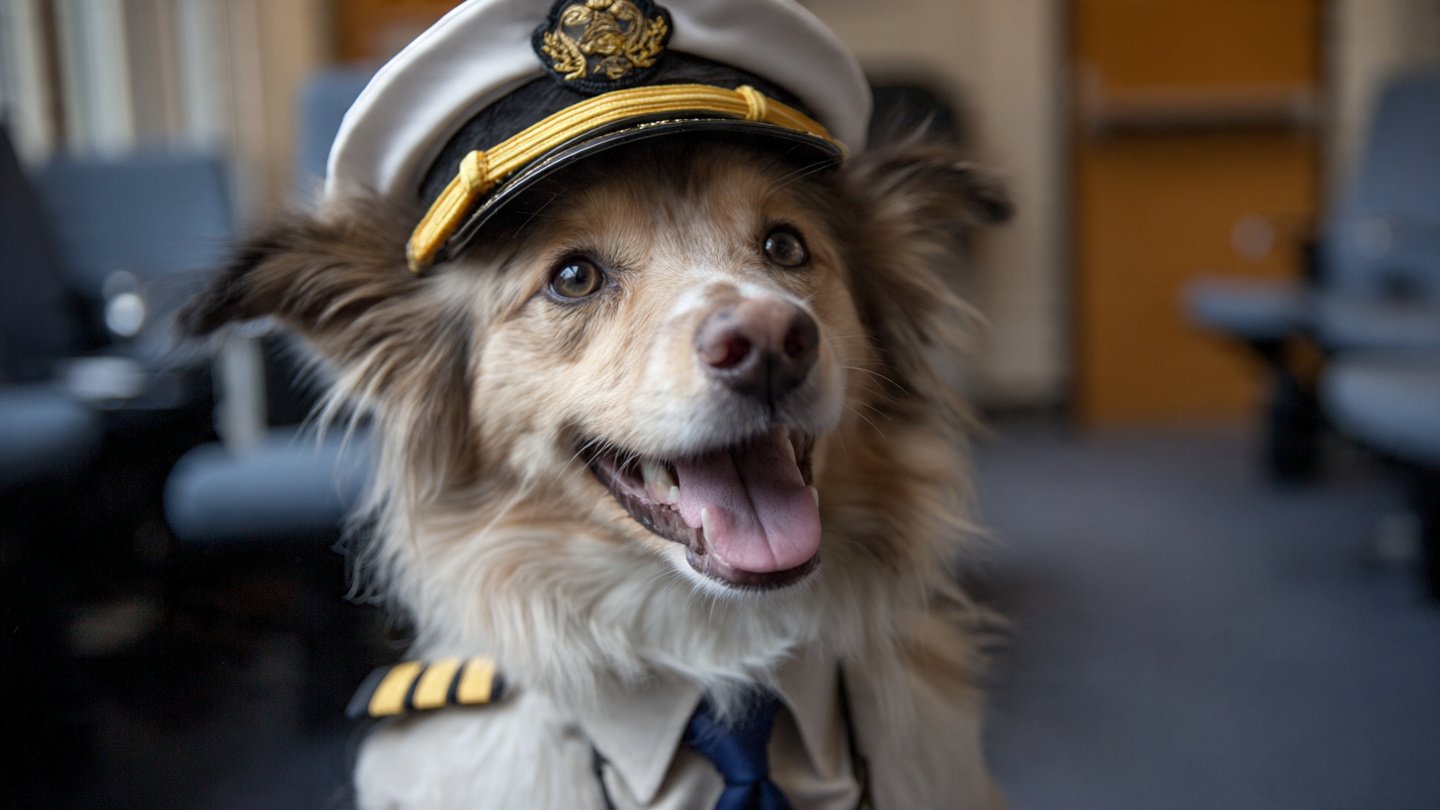
The bond between humans and their pets is a complex interplay of emotions, instincts, and learned behaviors, often influenced by various environmental factors. One particularly interesting area of study is how pets react to uniforms. This article explores the behavioral triggers that cause pets to respond in certain ways when they encounter individuals dressed in uniforms, such as police officers, paramedics, military personnel, and even maintenance staff.
The Psychology of Pets and Uniforms
Familiarity and Recognition
At the core of a pet’s response to a uniform is the concept of recognition. Pets, especially dogs, rely heavily on their sense of smell and sight to identify familiar humans. Uniforms often disrupt these patterns. A pet might associate a uniform with specific experiences, both positive and negative, leading to an array of reactions based on those associations.
For example, a dog might have a positive response to a police officer in uniform if they’ve had prior positive experiences, such as being petted or receiving treats. Conversely, if a pet has witnessed a bad situation involving a uniformed individual, they might react with fear or aggression.
Behavioral Conditioning
Behavioral conditioning plays a crucial role in how pets perceive and react to uniforms. This is a form of learning wherein pets associate particular stimuli—in this case, uniforms—with specific outcomes. There are two main types of conditioning:
-
Classical Conditioning: This occurs when an animal learns to associate a neutral stimulus with a significant event. For example, if a dog sees a firefighter in uniform frequently and is often rewarded with a treat or praise afterward, the dog may develop a favorable view of the uniform.
-
Operant Conditioning: This type involves the association between behaviors and consequences. If a pet reacts positively to a uniformed individual, such as sitting calmly and being rewarded, they are more likely to repeat that behavior in similar situations.
Anxiety Induction
Uniforms can also be a source of anxiety for some pets. Dogs and cats are creatures of habit, and anything that disrupts their environment can evoke stress or fear. The sight of a uniform might trigger anxiety for the following reasons:
-
Unfamiliarity: Pets with limited exposure to uniformed individuals may find them frightening. The lack of familiarity can evoke a flight-or-fight response.
-
Sound and Motion: Uniformed individuals often operate in specific contexts where sounds and movements are more rapid, such as emergencies or rescue situations. This can cause anxiety in pets, contributing to negative reactions.
The Role of Socialization
Socialization is an essential element in shaping a pet’s behavior toward uniforms. Early exposure to a variety of people, animals, and situations can help pets develop more stable reactions to different stimuli. Well-socialized pets are generally more adaptable and less likely to react negatively to uniformed individuals.
Specific Reactions to Various Uniforms
Law Enforcement Uniforms
When it comes to police uniforms, reactions can vary widely among pets. Dogs, for instance, may recognize the uniform as associated with authority and protection, leading to a sense of calm and safety. However, certain species, particularly those that have experienced encounters with law enforcement, may exhibit stress or fear.
Medical Uniforms
Veterinary uniforms often elicit distinct reactions, particularly in dogs and cats. Many pets will associate the sight of a veterinary technician or veterinarian in scrubs with past experiences of visits to the clinic, which might have been stressful. This can lead to anxiety or resistance during encounters with medical professionals.
Firefighter and Emergency Personnel Uniforms
Firefighters’ uniforms are usually well-recognized in both positive and negative contexts. While some pets may react positively due to the various interactions at community events, others may associate the uniforms with chaotic situations, leading to fear or anxiety. In rescue operations, they may have directly witnessed the uniforms involved in stressful experiences.
Military Uniforms
Military uniforms can provoke mixed feelings in pets depending on their environment and experiences. Many dogs, particularly those that have undergone training, may recognize military attire positively. However, if a pet has been exposed to loud sounds associated with military actions (e.g., fireworks resembling gunfire), it might react negatively.
Tailoring Responses
Understanding a pet’s varied reactions to uniforms can also help in training and managing behaviors effectively. Here are some practical approaches:
-
Positive Reinforcement: Whenever a pet displays calm behavior around individuals in uniforms, rewarding them with treats can reinforce this behavior. This practice can help diminish fear and anxiety over time.
-
Gradual Exposure: For pets that exhibit fear or anxiety towards uniforms, gradual exposure can help. Start by allowing the pet to observe a person in uniform from a distance and gradually decrease that distance while providing positive reinforcement.
-
Socialization: Early and varied exposure to uniforms during critical development stages of a pet’s life can mitigate fearful responses later. Enrichment activities, such as associating uniforms with positive experiences, like playdates or treats, can enhance socialization.
-
Enrichment and Positive Experiences: Incorporating uniformed personnel into a pet’s life positively—such as through participation in community events—can help make these uniforms a source of positive reinforcement rather than fear.
Case Studies and Anecdotal Evidence
Numerous anecdotal reports exist of pets responding favorably or unfavorably to uniforms. For example, a golden retriever exposed frequently to firefighters during community outreach events was known to greet them with excitement. In contrast, a small terrier, after an unfortunate incident involving a paramedic, displayed anxiety whenever it saw a similar uniform.
By studying these behaviors closely, pet owners can learn pivotal lessons about conditioning and socialization.
Recognizing Signs of Stress
It’s crucial for pet owners and uniformed individuals to recognize signs of stress in pets. For dogs, these may include:
- Whining or Barking: Vocalization can indicate discomfort or agitation.
- Cowering or Hiding: If a pet retreats or tries to hide, it’s likely feeling threatened.
- Aggression: Growling, snarling, or snapping can occur if a pet feels cornered or fearful.
For cats, watch for signs like:
- Hissing or Swatting: Indicating irritation or fear.
- Fleeing: Trying to escape the situation altogether.
- Body Language: Ears back, tail tucked, or an arched back can signal distress.
Conclusion
Understanding how pets react to uniforms is an essential component of responsible pet ownership. These reactions stem from a complex mixture of conditioning, socialization, anxiety, and familiarity. By employing strategies that reinforce positive interactions with uniformed individuals, pet owners can cultivate a more comforting environment for their animals.
This exploration highlights the importance of awareness and education in shaping pet behavior, enabling both pets and humans to coexist more harmoniously. Through proper handling and understanding of their responses, we can ease the anxiety that uniforms may incite, promoting better outcomes for pets and the uniformed individuals they encounter in their lives.