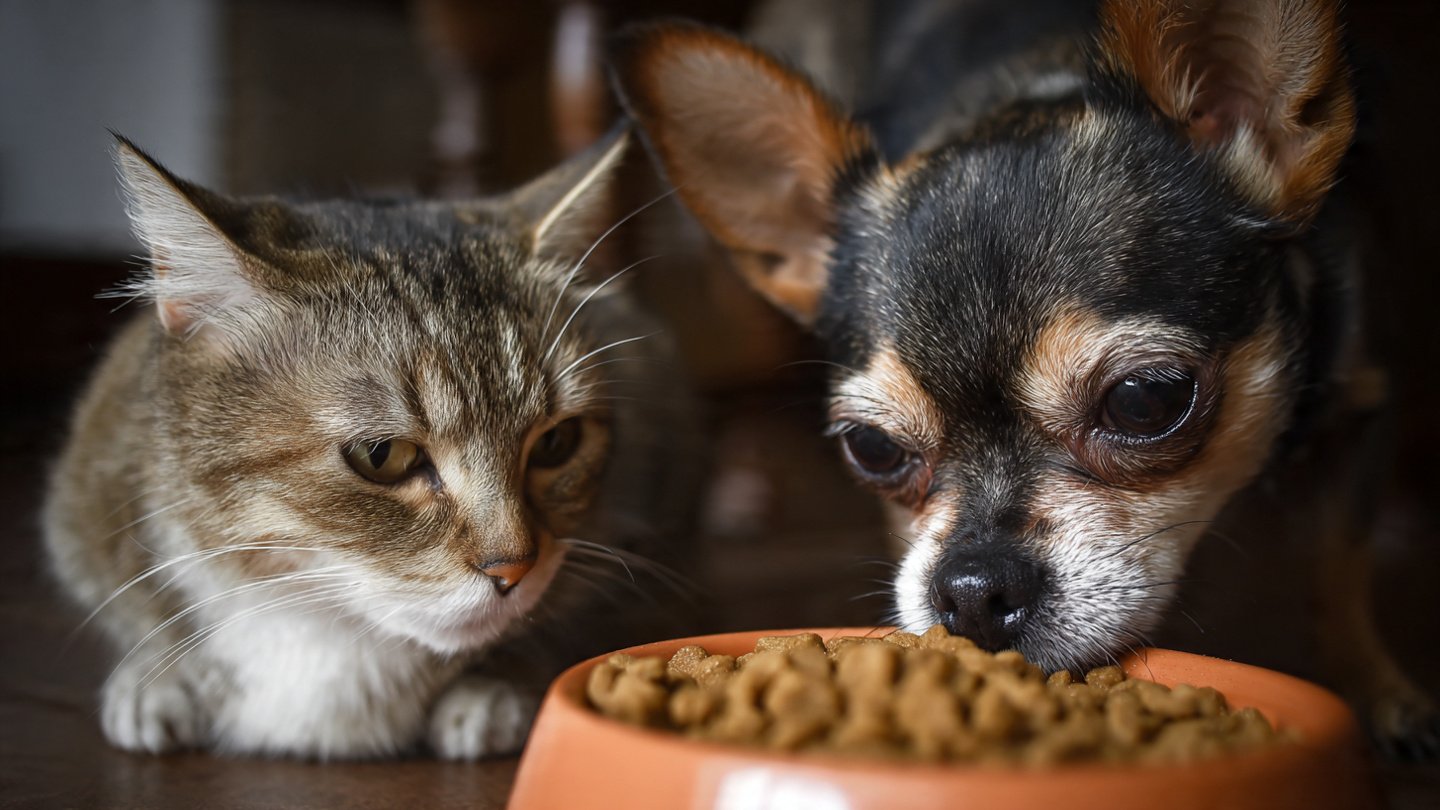
Pets, much like their wild counterparts, exhibit a range of behaviors that reflect their innate survival instincts. One particularly intriguing aspect of this behavior is the alertness pets display before mealtimes. Observing our furry friends as they anticipate food reveals not only their habits but also sheds light on their evolutionary traits rooted deeply in survival. This article delves into the reasons behind this alert behavior, the evolutionary context, and the implications for pet owners.
Understanding Alert Behavior
Alert behavior in pets can manifest in various ways, including pacing, vocalizing, and heightened awareness. These actions signal anticipation and indicate that something important—like a meal—is about to occur. The intensity and type of behavior can vary dramatically based on the pet’s species, breed, and individual personality. For instance, dogs may bark or whine, while cats might sit quietly by their food bowls, demonstrating their readiness.
The Science of Anticipation
When pets anticipate a meal, their bodies undergo physiological changes. Their heart rates may increase, and they become more alert to their surroundings. This response is largely driven by instincts, which can trace back to their wild ancestors who depended on quick reactions to survive.
-
Hunger and Hormonal Responses: When an animal is hungry, its body releases hormones like ghrelin, stimulating appetite and preparing it for food intake. This hormonal surge also prompts pets to become more vigilant, reinforcing the survival instinct to seek food.
-
Conditioned Responses: Pets can also develop conditioned responses based on their experiences. For example, if you consistently feed your dog at a specific time, it will learn to associate that time with food. The routine becomes a part of their internal clock, and you’ll notice them exhibiting alert behavior even before you serve the meal.
Evolutionary Context of Alert Behavior
The alertness pets display before meals is closely linked to the survival strategies employed by their ancestors. Wild animals had to navigate a world full of dangers, and being alert increased their chances of survival. Let’s explore the evolutionary significance of this behavior.
Natural Selection and Survival Skills
Wild animals had to constantly be on guard for predators, competitors, and, crucially, food sources. Alertness allowed them to react swiftly when opportunities arose or threats appeared.
-
Competition for Resources: In the wild, competition for food is fierce. Animals that are quick to notice when a food source appears or a competitor approaches are more likely to thrive. The alert behavior observed in pets is a remnant of this ancestral need to be aware of their surroundings for survival.
-
Predatory Instincts: For carnivorous pets like dogs and cats, being alert is essential not only for finding food but also for avoiding becoming food themselves. This instinctive behavior encourages them to stay aware of their environment, a skill that has been honed over millennia.
The Impact of Domestication
As pets transitioned from wild animals to companions, many survival instincts remained intact. Despite living in a safe environment, the ancestral behaviors linger on, reflecting deep-rooted survival strategies.
-
Food Recognition: Domesticated animals may not need to hunt for food, but their instincts drive them to recognize food sources. The alert behavior they exhibit serves as a reminder of their hunting days, stimulating their senses even in a controlled environment.
-
Social Structures: Pets, particularly dogs, have adapted their alert behaviors to coexist with humans. In packs, alertness played a vital role in communication and cooperation, aspects that still influence pet behaviors today.
Observing Alert Behavior in Different Pets
Dogs
Dogs are particularly known for their expressive behaviors surrounding mealtime. Their heightened alertness can be observed in various ways:
-
Vocalizations: Many dogs bark, whine, or pant in anticipation of food. These sounds serve as both an expression of excitement and a method of communication with their owners.
-
Pacing: Dogs often pace around their feeding area or their owners, demonstrating their anticipation and eagerness.
-
Eye Contact: Direct eye contact is common when a dog is waiting for food. This behavior reflects their understanding of human cues and their desire to engage with their owners.
Cats
Cats display alert behavior differently:
-
Stalking: Cats may crouch, observing their feeding area with the same predatory instincts they employ when hunting prey.
-
Purring: Some cats purr, a behavior that can signal both contentment and anticipation when food is near.
-
Positioning: An alert cat will often position itself where it can see its food source, ready for action as soon as the meal is served.
Small Animals
Rabbits, guinea pigs, and other small animals also show alertness:
-
Nuzzling: Many small pets will nuzzle or bump their food bowls, signaling their eagerness.
-
Jumping: This can be a common behavior, indicating excitement and readiness for food.
-
Nose Movement: Small animals often use their noses to investigate and sniff around their feeding areas as they anticipate meals.
Implications for Pet Owners
Understanding alert behavior can significantly help pet owners improve their animals’ quality of life and foster better relationships. Here are some practical applications:
Establishing Routines
Creating a consistent feeding schedule lets pets know when to expect meals, reducing anxiety and ensuring they can anticipate when food will be available. A well-structured routine can enhance your pet’s alertness, providing mental stimulation.
Enrichment Activities
To channel your pet’s natural instincts positively, consider incorporating enrichment activities. Puzzle feeders, interactive toys, and scavenger hunts can stimulate their minds and engage their alert behaviors without the need for constant food rewards.
Positive Reinforcement
Using their alert behavior to reinforce positive actions can build a stronger bond between you and your pet. Rewarding them for good behavior with treats motivates them while enhancing their anticipation around mealtime.
Monitoring Health
While alert behavior typically indicates healthy anticipation, sudden changes in this behavior might signal health issues. If a pet suddenly loses interest in food or shows an unusual level of anxiety around mealtime, it may be wise to consult a veterinarian to rule out health concerns.
Conclusion
Pets displaying alert behavior before meals is an enchanting glimpse into their innate survival instincts. Understanding the reasons behind this behavior not only deepens our appreciation for our animal companions but also helps us foster healthier relationships with them. Acknowledging their evolutionary background allows us to provide better care, making mealtimes not just a necessity, but a celebration of their instincts and a bonding experience between pets and their owners. Ultimately, recognizing and engaging with these behaviors can strengthen our connections with our furry (and feathery or scaly) family members, providing them with fulfilling lives that honor their natural instincts.