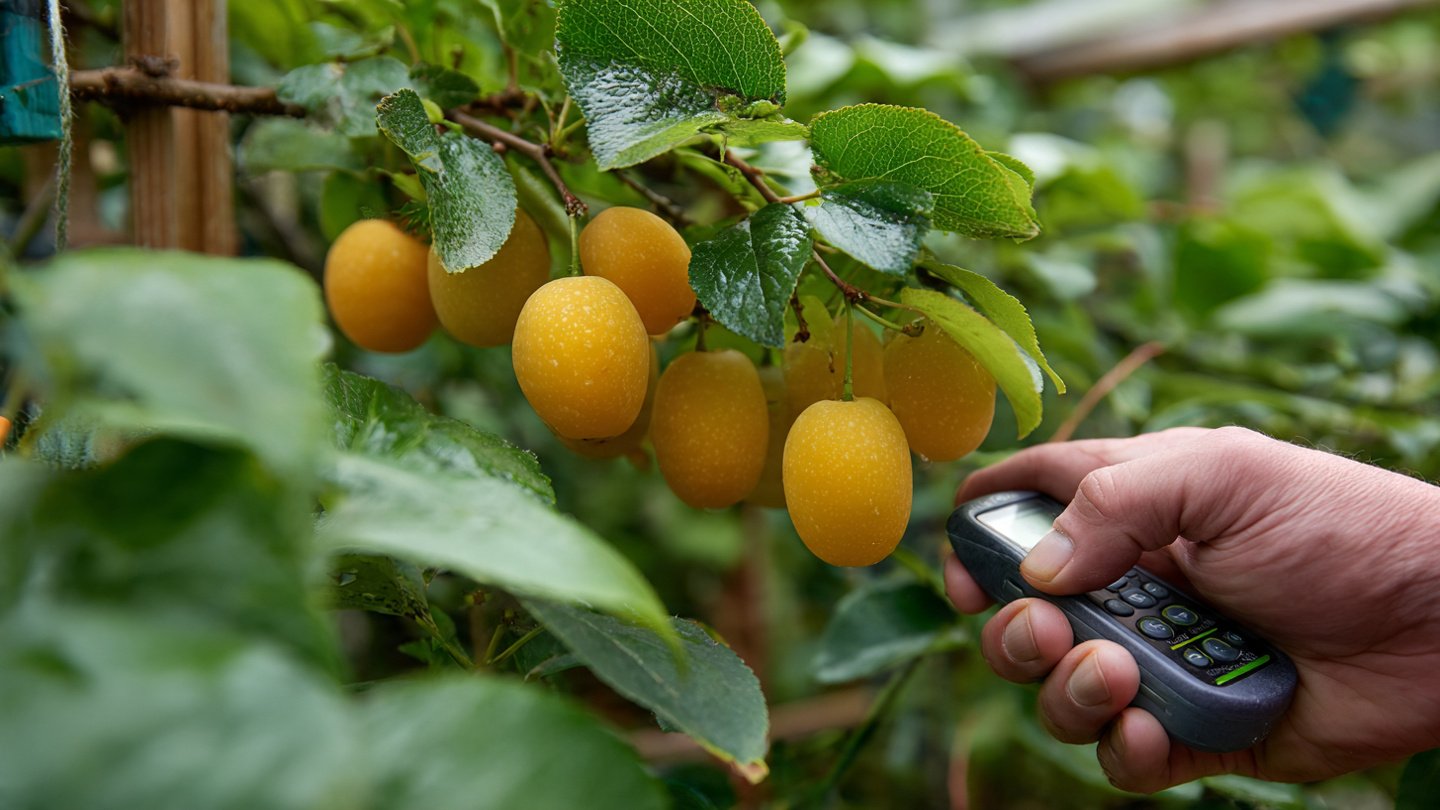
Using a Brix meter can drastically change how gardeners and agricultural enthusiasts monitor the health and sweetness of their garden fruits. At its core, a Brix meter—also known as a refractometer—measures the sugar concentration in liquids, which can provide invaluable insights into the ripeness, flavor profile, and overall quality of fruits.
Understanding the Brix Scale
The Brix scale is a measurement unit that expresses the percentage of sugar (sucrose) present in an aqueous solution. For example, a Brix reading of 20 indicates that 20% of the solution’s weight is sugar. In the horticultural world, high Brix readings often correlate with better taste, higher nutrient content, and greater resilience against pests and diseases. Consequently, this tool can serve as a key indicator of fruit quality, empowering gardeners with knowledge that helps them make informed decisions on harvesting and care.
Why Use a Brix Meter?
-
Flavor Assessment: One of the primary reasons gardeners are drawn to a Brix meter is its ability to predict the taste of fruit. The sugar content plays a significant role in flavor, and by measuring it, gardeners can identify the optimal time to harvest. Fruits like tomatoes, melons, and berries should be picked when they reach a certain Brix level for the best flavor.
-
Nutritional Quality: A higher Brix level signifies not only sugar content but also the concentration of vitamins, minerals, and antioxidants. A Brix meter allows gardeners to monitor nutritional quality, providing a clearer picture of the essential nutrients they’re growing. This aspect is particularly relevant for organic gardeners who prioritize growing high-quality food.
-
Optimal Harvest Timing: Timing is everything in gardening. A Brix meter can help determine the precise moment fruits are ready for harvest. For instance, many fruits have specific Brix targets that indicate ripeness. Picking fruits at their peak ensures superior flavor and freshness, ultimately leading to a better eating experience.
-
Garden Health Monitoring: Regular monitoring of Brix levels can also serve as a diagnostic tool. If Brix levels start to decline unexpectedly, it can indicate underlying issues in the garden, such as nutrient deficiencies, water stress, or pest issues. By tracking these fluctuations, gardeners can make timely adjustments to their care routines.
-
Improving Soil Health: Healthy plants often yield high Brix readings. The relationship between plant health and Brix levels has garnered significant attention among regenerative agriculture advocates. By using a Brix meter, gardeners can gauge the effectiveness of their soil improvement practices. Better soil health translates to sweeter and more nutritious fruits.
Using the Brix Meter Effectively
To fully harness the benefits of a Brix meter, it’s vital to understand how to use it correctly:
-
Calibrating the Meter: Before use, it’s essential to calibrate the Brix meter according to the manufacturer’s instructions. Calibration typically involves using distilled water to adjust the readings to zero, ensuring accuracy.
-
Method of Collection: Gather fruit juice by using a press or extracting juice directly from the fruit. Make sure to use freshly harvested fruits for the most accurate readings. A few drops of the juice on the Brix meter’s prism will typically suffice for measurement.
-
Temperature Considerations: Brix readings can be affected by temperature, so it’s advisable to measure at room temperature. Some advanced Brix meters have automatic temperature compensation, making them user-friendly.
-
Consistency in Measurements: For the best insights, take multiple readings from different samples of the same fruit. This can provide an average Brix level, reducing the chances of erratic results due to single sampling.
-
Record Keeping: Maintaining a log of Brix readings over time can help gardeners identify trends. Observing how different fruits respond to varying conditions, treatments, and care practices can inform future gardening strategies.
Influence on Sustainable Practices
The introduction of Brix meters has profound implications for sustainable gardening practices. As the world moves toward more sustainable food production methods, the ability to monitor fruit quality in real-time can enhance organic farming efforts. By focusing on sweetness and overall fruit quality, gardeners are encouraged to adopt practices that promote soil health, minimize synthetic inputs, and align with nature’s rhythms.
Additionally, Brix meters contribute to water conservation efforts. When water levels are optimal, certain crops can achieve desired Brix levels without excess irrigation. This approach empowers gardeners to manage their water resources more responsibly.
Community and Knowledge Sharing
Brix meters can also facilitate knowledge sharing within gardening communities. When gardeners begin to emphasize Brix readings, conversations about soil health and sustainable practices become commonplace. Workshops, events, and online forums can discuss optimal Brix levels for various fruits, while sharing best practices for improving those levels.
Community gardens can particularly benefit from embracing the Brix meter. By encouraging collective efforts to enhance fruit quality through shared data, these spaces can foster deeper connections among gardeners. As participants learn to improve their practices based on shared Brix readings, the entire community benefits from sweeter, more nutritious produce.
Choosing the Right Brix Meter
With various Brix meters available on the market, choosing the right one can be daunting. Here are key considerations:
-
Type: Refractometers come in analog and digital versions. Digital models tend to be more user-friendly, providing instant readings without the need for manual interpretation. Analog meters, while reliable, may require more practice to read accurately.
-
Durability: Assess the materials and build quality. Gardeners should look for meters designed to withstand outdoor conditions, especially if they frequently work in varied environments.
-
Price: While it’s tempting to opt for the cheapest option, investing in a quality Brix meter can save time and effort in the long run. It’s worth considering meters with a balance between price and reliability.
-
Features: Some advanced meters offer features like automatic temperature compensation or the ability to measure different juice types. Identifying specific needs can help in selecting a suitable option.
Integrating Into Gardening Practices
Incorporating a Brix meter into gardening practices has the potential to elevate how gardeners approach their fruit cultivation. Making routine measurements part of their schedule allows them to develop a deeper understanding of their crops, where elements like sun exposure, soil amendments, and irrigation frequency can be fine-tuned to enhance sugar levels.
Rotating fruits and experimenting with diverse planting strategies can also yield insights into which varieties thrive under specific conditions, all grounded in quantitative data supplied by the Brix readings.
The Educational Value
Beyond practical applications, using a Brix meter can have significant educational benefits. For school gardens or community initiatives involving youth, incorporating this tool can spark curiosity about plant biology, chemistry, and nutrition. Students can engage in experiments to understand the relationship between farming practices and fruit quality, fundamentally tying science to real-world applications.
The Precision of Modern Gardening
As gardening shifts toward precision agriculture, tools like the Brix meter unlock data-driven practices that were once relegated to commercial farming. This transition empowers everyday gardeners to adopt an analytical approach, leading to improved outcomes and resilience in the face of environmental challenges.
By combining traditional gardening techniques with modern tools, enthusiasts can maximize their gardening potential while promoting sustainability. The Brix meter has transformed how practitioners assess fruit quality, allowing for informed decisions that enhance both flavor and nutrition.
Concluding Thoughts
The integration of a Brix meter into gardening practices can revolutionize how gardeners evaluate the fruits of their labor. With improved flavor assessment, nutritional analysis, and harvest timing, gardeners can make informed decisions that lead to higher quality produce. Beyond personal benefits, using a Brix meter encourages sustainable practices, community engagement, and an educational approach that transcends generations.
By harnessing the power of this simple yet effective tool, enthusiasts can build a more sustainable future for gardening, underscoring the profound connection between what we grow, how we nurture our environment, and the quality of the food we consume.