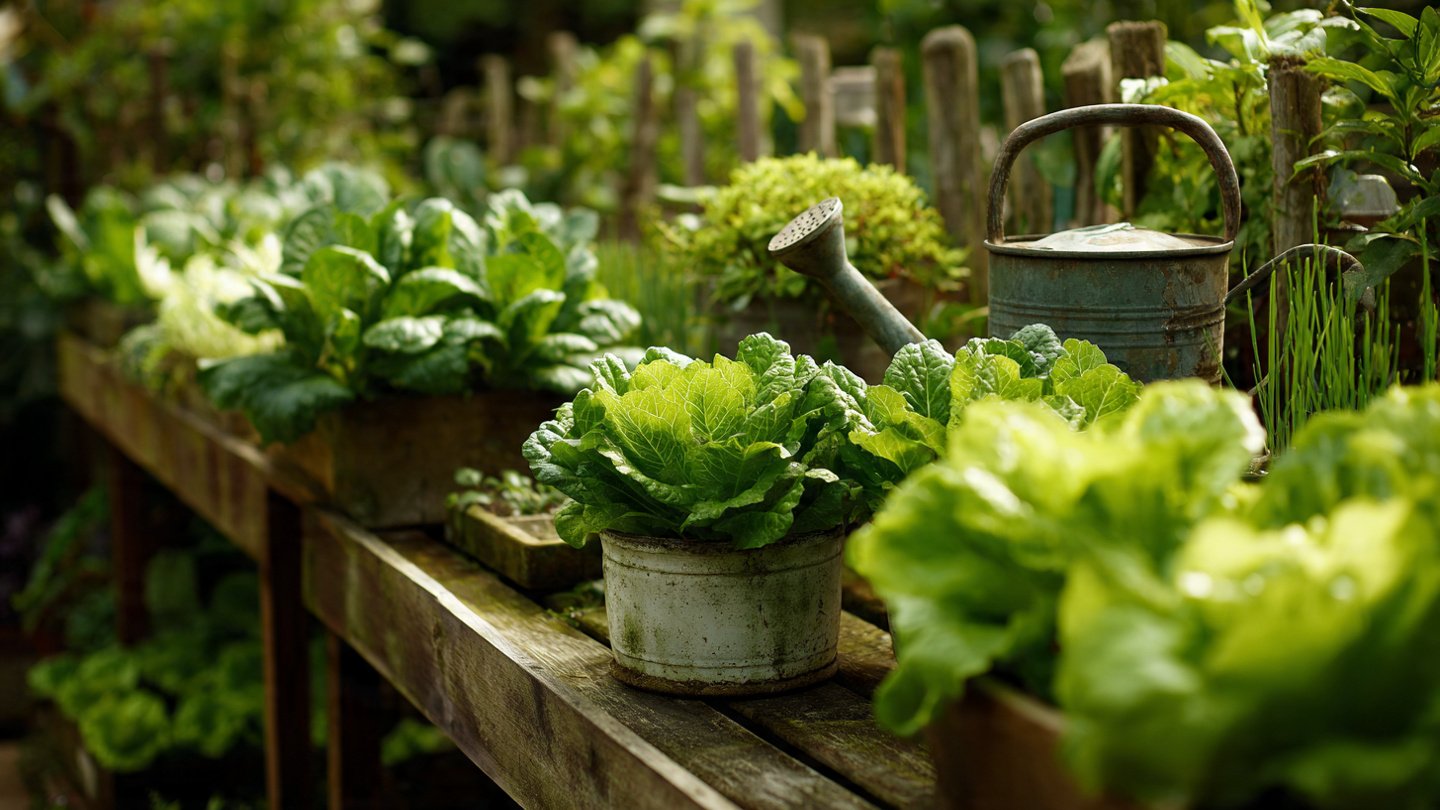
A kitchen garden is not just a source of fresh produce; it’s a therapeutic space that allows you to reconnect with nature. Whether you’re an experienced gardener or just starting, understanding the importance of feeding your plants will significantly enhance your garden’s yield. An effective feeding schedule ensures your plants receive the nutrients they need at the right time, promoting healthy growth and maximizing your harvest. This article will guide you through the essentials of feeding your kitchen garden, including a straightforward feeding schedule to help you achieve flourishing plants.
Understanding Plant Nutrients
Before diving into the feeding schedule, it’s crucial to understand the basic nutrients your plants need for optimal growth. Nutrients can be categorized into macronutrients and micronutrients.
Macronutrients
-
Nitrogen (N): Essential for leaf growth and overall plant vitality. Nitrogen promotes lush foliage and is crucial for photosynthesis.
-
Phosphorus (P): Vital for root development, flower formation, and fruiting. Phosphorus supports energy transfer within the plant.
-
Potassium (K): Important for overall plant health and resistance to diseases. It regulates water uptake and enhances fruit quality and flavor.
Micronutrients
Though required in smaller quantities, micronutrients like iron, manganese, zinc, and copper play an essential role in plant growth and development. They aid in processes such as photosynthesis and enzyme function.
Soil Health: The Foundation of Growth
The first step in boosting your kitchen garden is ensuring your soil is healthy. Conducting a soil test can help determine its nutrient levels and pH balance. Based on the results, you may need to amend your soil with organic matter, compost, or fertilizers.
Benefits of Healthy Soil
- Improved Nutrient Availability: Nutrient-rich soil supports microbial life, enhancing nutrient availability for plants.
- Better Water Retention: Organic matter in the soil improves moisture retention, reducing the need for frequent watering.
- Enhanced Root Development: Healthy soil promotes robust root growth, enabling plants to access nutrients efficiently.
Creating an Easy Feeding Schedule
Now that you understand the importance of nutrients and soil health, let’s delve into a simplified feeding schedule that covers the primary growing seasons: spring, summer, and fall.
Spring Feeding Schedule
Spring is the time to prepare your garden for robust growth as temperatures rise.
1. Pre-Planting (2-4 weeks before planting)
- Soil Amendment: Incorporate well-rotted compost or aged manure into the soil.
- Balanced Fertilizer: Use a balanced fertilizer (like a 10-10-10 NPK formula) at a rate of 1-2 pounds per 100 square feet. This initial feeding provides essential nutrients needed for the early growth phase.
2. Planting Time (When seedlings are transplanted)
- Liquid Fertilizer: Use a diluted liquid fertilizer (half the recommended strength) to reduce transplant shock. Apply this directly to the soil around the root zone.
- Mulch: Apply a layer of organic mulch to retain moisture and suppress weeds, giving your plants a healthy start.
3. Mid-Spring (3-4 weeks after planting)
- Nitrogen Boost: Side-dress with a nitrogen-rich fertilizer (like fish emulsion or blood meal) to encourage leafy growth. Use about 0.5 pounds per 10 feet of row.
Summer Feeding Schedule
As plants enter their peak growth phase during the summer, maintaining nutrient levels is critical.
4. Early Summer (At the start of flowering)
- Phosphorus Boost: Switch to a phosphorus-rich fertilizer (like bone meal) to support flowering and fruit set. Apply according to package instructions, typically around 0.5 pounds per 10 feet of row.
5. Mid-Summer (Another 4-6 weeks later)
- Balanced Fertilizer: Reapply a balanced fertilizer to maintain nutrient levels. Repeat the same dosage as in early spring.
6. Late Summer (As plants are maturing)
- Potassium-Rich Fertilizer: Use a potassium-rich fertilizer (such as sulfate of potash) to enhance fruit flavor and overall health. Apply at a rate of about 0.5 pounds per 10 feet of row.
Fall Feeding Schedule
As summer gives way to fall, your garden may still yield produce.
7. Pre-Harvest (2-4 weeks before the last frost)
- Final Fertilization: Apply a low-nitrogen fertilizer to support the final growth stages without promoting excessive foliage. An organic slow-release fertilizer works well here.
8. Post-Harvest (After harvesting)
- Soil Amendment: After your harvest, incorporate leftover plant matter and apply compost to replenish nutrients in the soil for the next planting season.
Tips for Effective Feeding
-
Know Your Plants: Different plants have varying nutrient needs. For example, leafy greens benefit from more nitrogen, while flowering plants need more phosphorus.
-
Watering Matters: Always water your plants after fertilizing to ensure nutrients are absorbed into the soil rather than burning the roots.
-
Observe and Adjust: Monitor your plants’ health and growth. Yellowing leaves may indicate a nitrogen deficiency, while poor fruiting could suggest insufficient potassium.
-
Organic Options: Consider using organic fertilizers such as compost, worm castings, or fish emulsion. These provide a slow and steady nutrient release, enhancing soil health over time.
-
Keep Records: Document your feeding schedule, the fertilizers used, and any observations about plant health. This will help you refine your approach in future seasons.
Troubleshooting Common Issues
Even with the best feeding schedule, you may encounter challenges. Here are some common issues and solutions:
Yellowing Leaves
- Problem: Indicates nitrogen deficiency.
- Solution: Apply a nitrogen-rich fertilizer and ensure consistent watering.
Stunted Growth
- Problem: Could be a sign of poor soil health or nutrient imbalance.
- Solution: Conduct a soil test and amend the soil with compost and balanced fertilizers.
Blossom Drop
- Problem: May occur due to stress or nutrient deficiency, especially in flowering plants.
- Solution: Ensure consistent watering and apply a phosphorus-rich fertilizer during the flowering stage.
Seasonal Reflections
At the end of each growing season, reflect on your garden’s performance. What worked well? What didn’t? Use your observations to refine your feeding schedule for next year. Gardening is an evolving process, and learning from each season will lead to greater success over time.
Conclusion
Feeding your kitchen garden doesn’t have to be complicated. By following a simple feeding schedule and staying attuned to your plants’ needs, you can significantly enhance their growth and productivity. Remember that a well-fed garden not only provides abundant harvests but also fosters a connection to nature that enriches your life. Happy gardening!